By Anna Baker, Contributing Writer
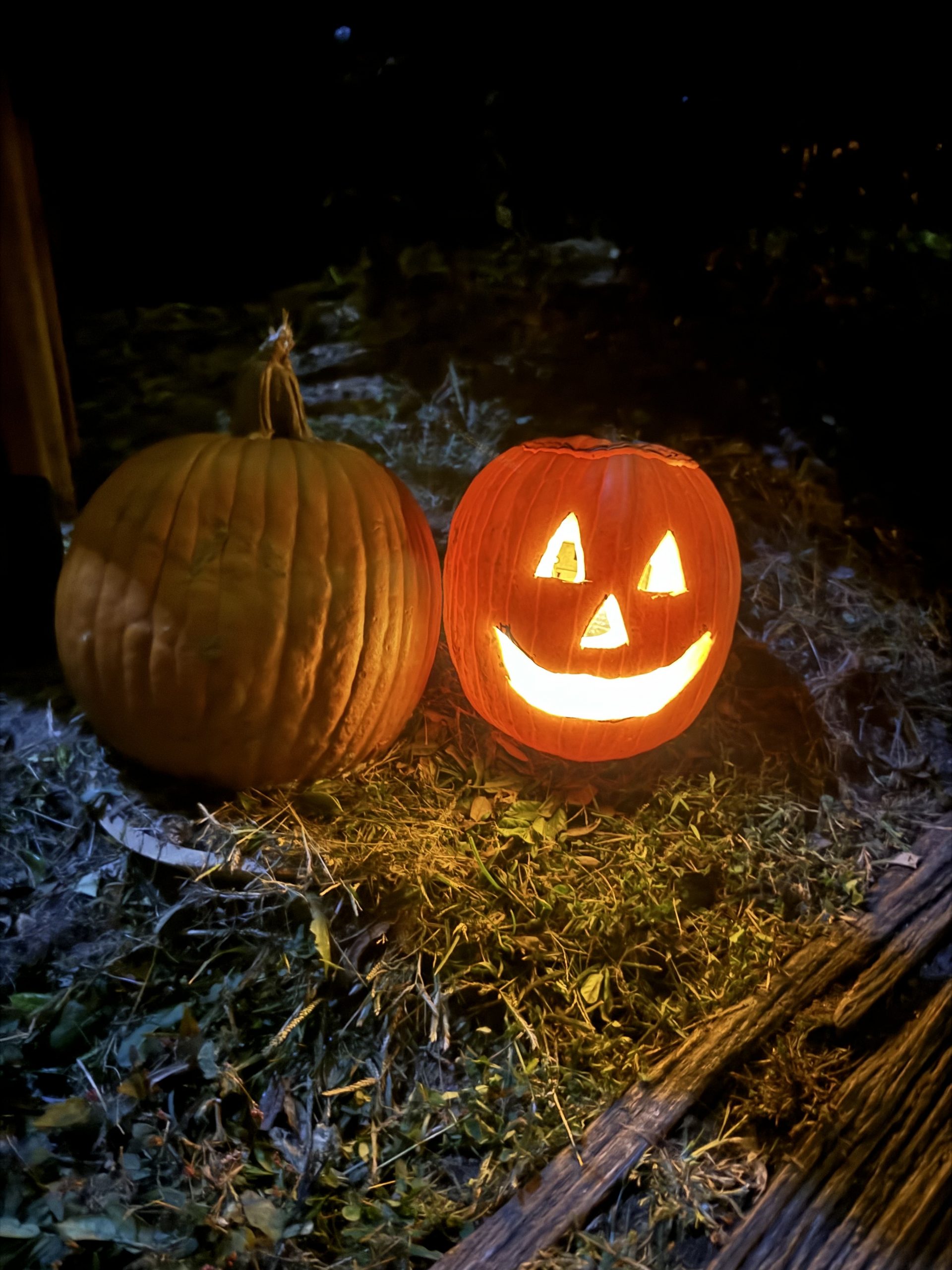
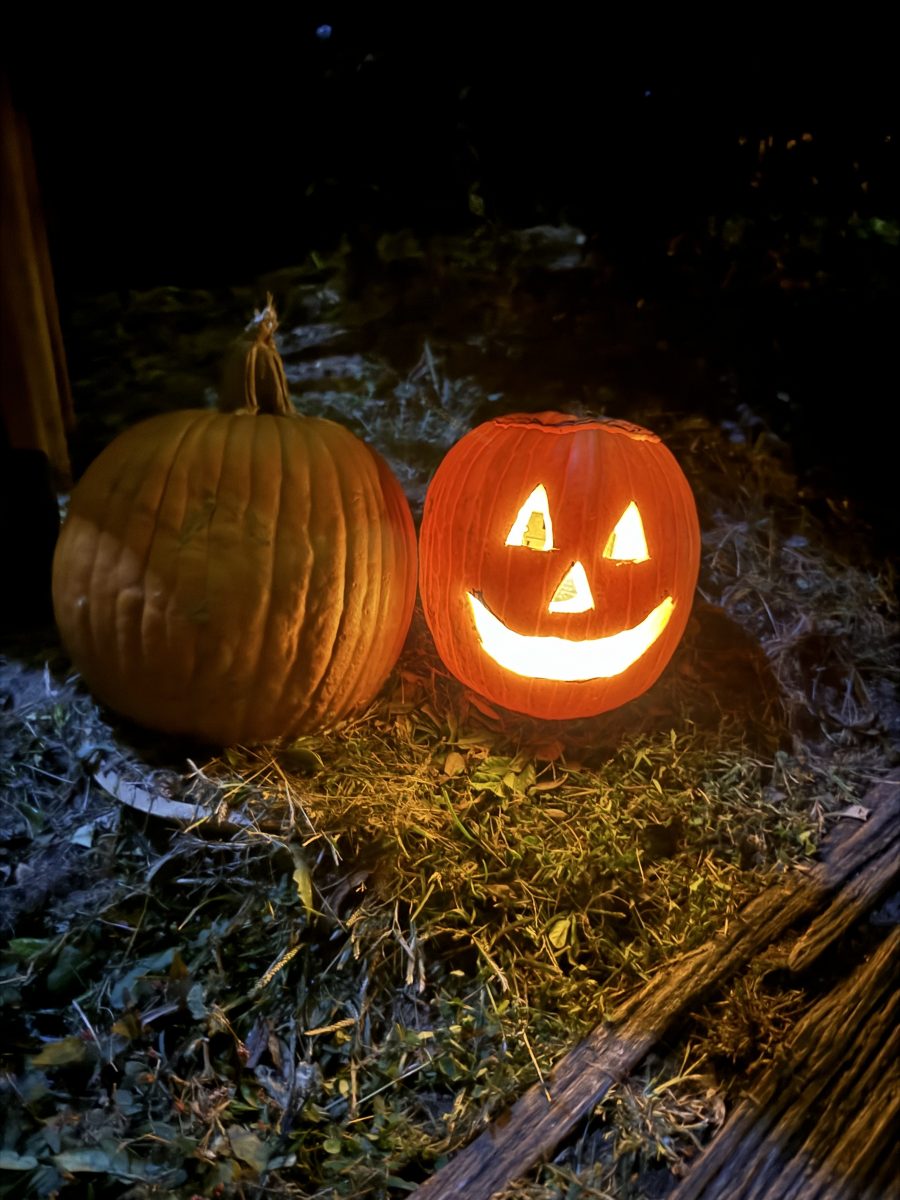
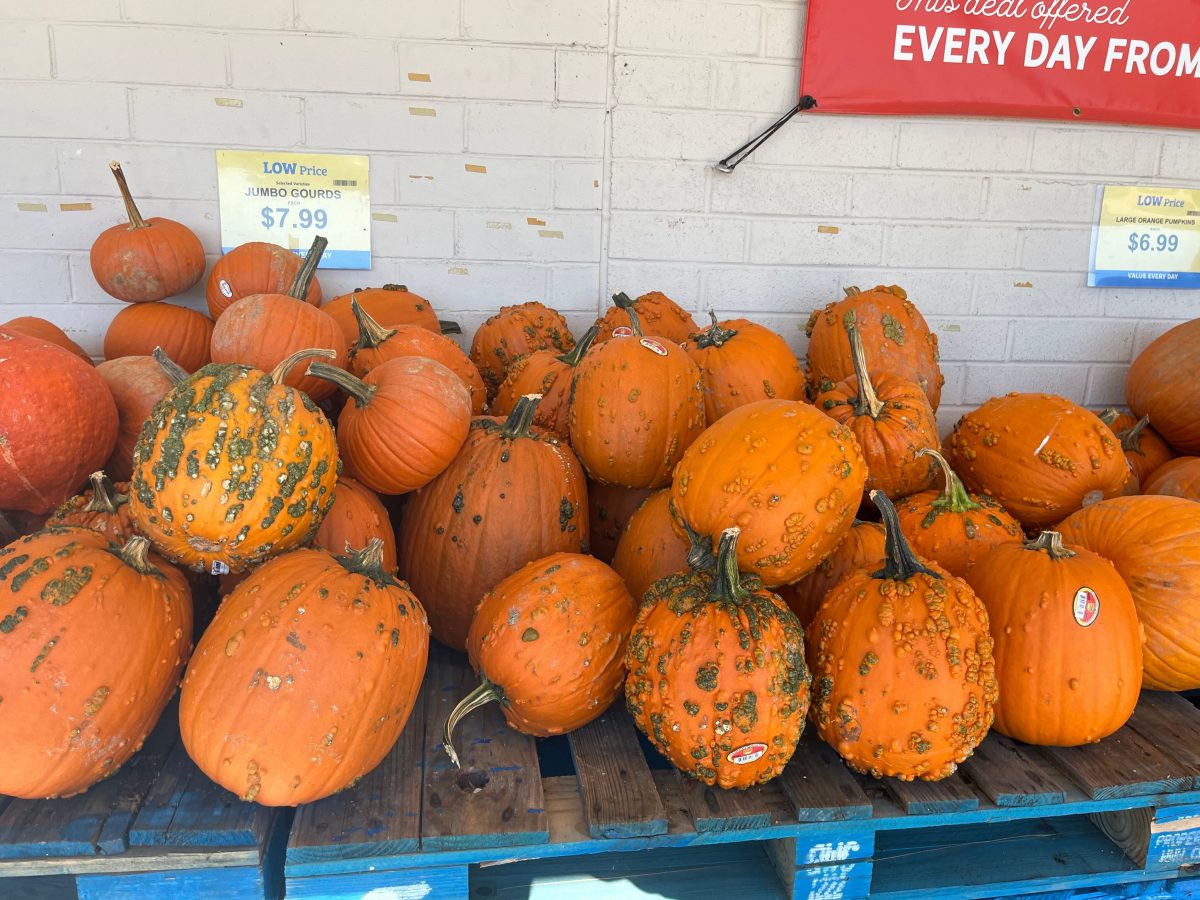
During the fall season, there are tons of pumpkins produced in pumpkin patches across the world; they’re a huge staple of Halloween celebration and who doesn’t love picking out their own pumpkin to carve?
These days, pumpkins are used for decoration more than for cooking, meaning that most of them end up being thrown away after only being used for decoration. When pumpkins are thrown away, they end up in landfills where they’re compacted and buried among other garbage over time. While most people don’t think much about it, this is very unfortunate because organic materials such as pumpkins release methane as they decompose in environments where they don’t have access to oxygen, which can cause a huge increase in global warming emissions during the fall season.
While methane is produced from all kinds of fruits and vegetables in such conditions, pumpkins’ high water content means they produce large amounts of methane for their size compared to other foods. You may be wondering why landfills are particularly problematic, so let me give you a brief run-down on decomposition. When pumpkins are compacted down and covered with other garbage, it doesn’t allow for oxygen to reach the fruit; when there’s no oxygen, anaerobic bacteria takes on the task of decomposition, which then releases methane, a greenhouse gas, as it works. As methane traps heat in the environment, it directly contributes to global warming, which is an increasing problem as landfills produce around 20% of methane emissions. Pumpkins add to this problem during the fall season because so many are wasted and thrown away, keeping them from decomposing naturally in an area with oxygen.
Throwing away pumpkins can be prevented, as there are so many sustainable ways to get rid of them without gassing the atmosphere. Here’s a couple of my favorites!
Pumpkins are great for composting as they are very moist and have a lot of nutrients and there are local composting drop off sites all around where you can take them!
Another option would be donating leftover pumpkins to local farms, petting zoos, and animal sanctuaries. Many places like this accept donations for their animals if there are no toxic paints or treatments on the pumpkins.
Animals in the wild also like pumpkins such as birds, squirrels, and deer. Pumpkins can be left out for wildlife as a little treat to help them out as it begins to get cold out. There are also ways to make bird feeders out of pumpkins that decompose over time and in the open air.
Lastly, you can use your pumpkins to cook many things. Simple things to make with leftover pumpkins include pancakes, muffins, bread, and, of course, pie. The seeds are even edible; you can put them in the oven and roast them to eat with seasonings like cinnamon and sugar.
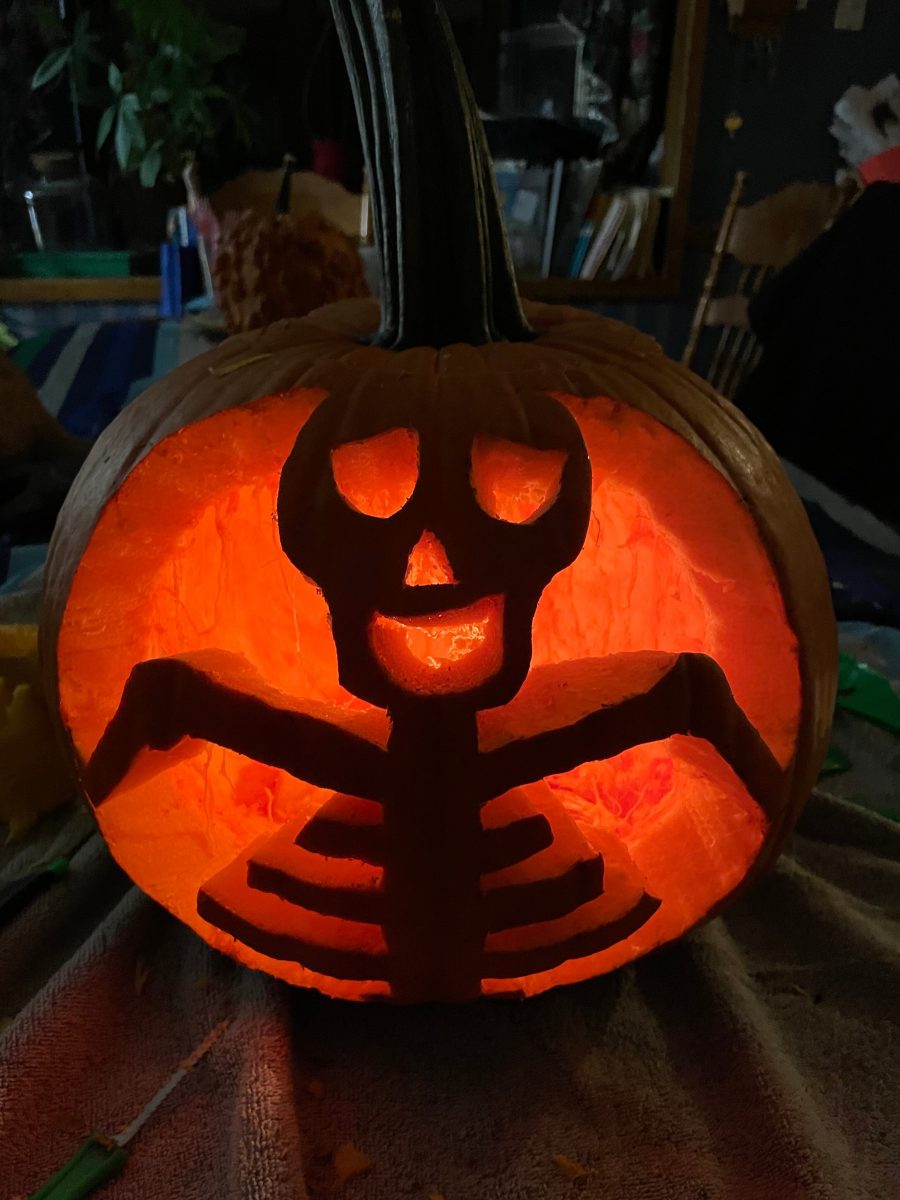
At the end of the fall season, many pumpkins end up in landfills due to their popularity and mass production, but there’s no reason for it to continue when there are so many sustainable ways to discard them. Once Halloween is over and you go to get rid of your Jack-o’-lanterns, remember not to just throw them in the trash; use them for something else… It’s free.
How to make pumpkin bird feeder- https://rangerrick.org/crafts_activities/pumpkin-bird-feeder/
Pumpkin recipes- https://www.bbcgoodfood.com/recipes/collection/leftover-pumpkin-recipes
Knoxville composting- https://www.knoxvilletn.gov/government/city_departments_offices/public_service/waste_and_resources_management/garbage/compost