
By Anna Baker, Staff Writer
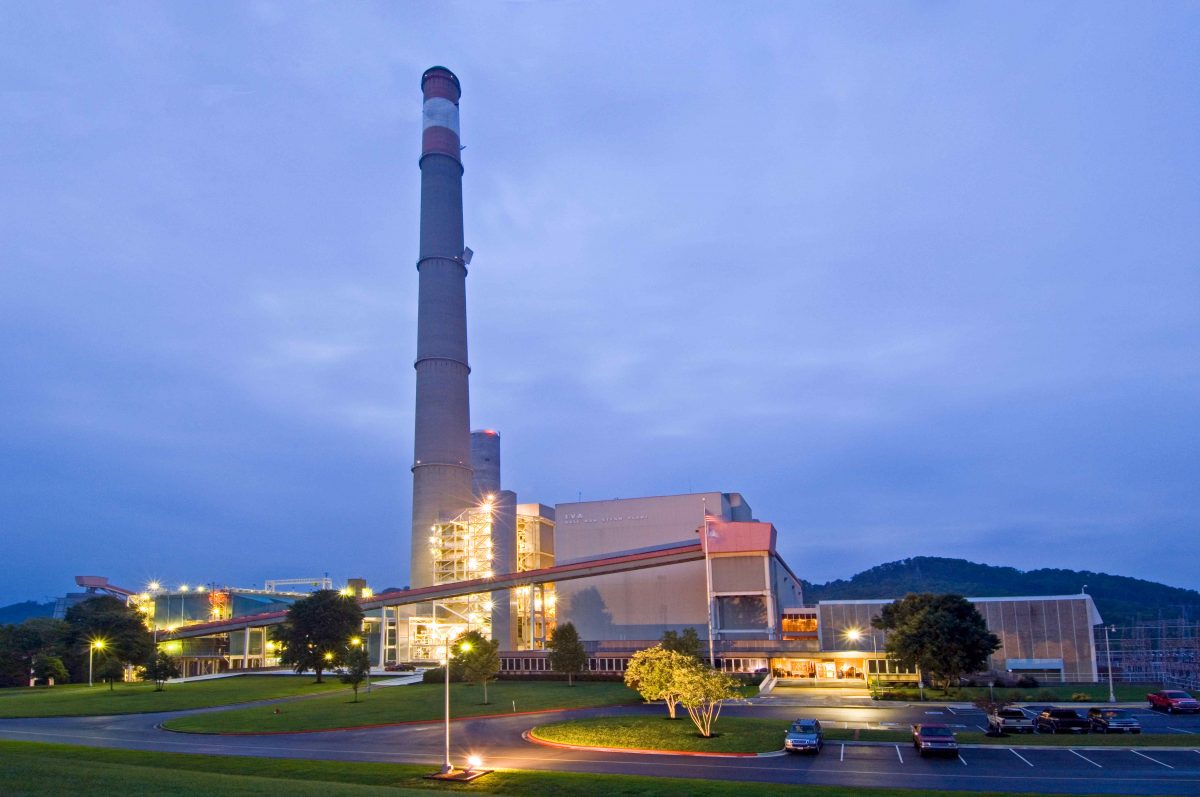
The remnants of the Bull Run steam plant in Claxton, Tennessee, are about five miles away from the Hardin Valley campus of Pellissippi State Community College. Founded in 1967, it was a coal-fired electricity-producing plant until it closed in 2023 due to its lack of efficiency and is now part of Tennessee Valley Authority’s strategy for promoting a new way of energy.
You might ask what even is a steam plant and how they work. Well, a fossil fuel stream plant uses coal to heat water at a very high pressure into steam, which then generates electricity that is then used to power whatever the plant is for. The side effect of this process is that it creates a ton of coal ash, in other words, particles including arsenic, copper, lead, mercury, and selenium that remain after burning coal in a steam plant. The ash also includes uranium, which makes it radioactive.
When something is radioactive it can be very harmful and unforgiving – even though the steam plant is no longer generating electricity, it still has lasting environmental effects, like pollution in the air, water, and soil. When the steam plant was in use, coal ash traveled up the smokestacks and was released into the air, producing what we call fly ash; this fly ash eventually settles and can cause damage when inhaled over time, affecting the lungs. When inhaling small particles of the coal ash you are inhaling toxic metals that harm your body which can build up over time and cause major damage to the cells in your body.
Coal ash exposure has even been linked to kidney, liver, and lung diseases, including cancer. Just by living near a coal ash dumping site can make people more likely to develop diseases related to coal ash toxins, which is crazy because you wouldn’t think a steam plant would affect so many people. If this affects people living close by, imagine the workers who worked at the plant.
All of the ash released from the plant gets in the air and will eventually settle onto the ground and contaminate the soil, causing the plants in that soil to then absorb the heavy metals in the coal ash. This causes many issues affecting the growth, production, and overall health of the plants, which can be a big issue for people who grow crops for a living.
The remaining coal ash, which is made of large particles too heavy to be carried out of the smokestacks, collects at the bottom of the furnace and is known as bottom ash, which is eventually disposed of in surface ponds or land fields. The contaminants leech through the ground and get into the local community’s water supply, affecting animals and people in the area.
Coal ash is even released directly into nearby waterways, which contaminates the water with radioactive materials and affects the fish and the aqualife in many ways. Fish with coal ash exposure have been found to have malformations in the spine and jaw, and an increased death rate. This is sad as the fish affected by steam plants have less chance of life because of something we humans have built.
The demolition of the smokestacks at Bull Run marks the end of the local energy production from coal; however, the effects of the steam plant will be present for decades. Even though this specific steam plant is no longer used, there are still running steam plants affecting different communities as we speak. Tennessee Valley Authority plans to build a new commercial-scale nuclear fusion plant at the same location, creating a new set of environmental concerns. Nuclear energy is supposed to be a cleaner energy that releases no greenhouse gases or pollutants in the air. Even though this sounds better and is an improvement, nuclear energy can also be very dangerous in its own ways.
Overall, the effects of this plant have harmed Claxton’s environment, wildlife, and affected the community. We as humans need to take care of the environment. This is where we live – we should take care of what we have.
Below is the demolition of the Bull Run Steam plant! This demolition is very interesting as they used implosions to take down the smokestacks allowing for much settled coal ash to resurface in the air.