By John Medina, Staff Writer
CORRECTION: The original version of this story incorrectly named the song “Super Freak” as “Super Freaky.”
Over the last few years, many people, including myself, have noticed a trend that has been flooding contemporary music. Music listeners may hear a familiar tune, but something’s off… then BOOM, an unwanted remix of a classic song from a different artist. Not to be confused with song covers, these musical homages utilize a technique known as sampling. The Central Music Institute defines music sampling as “taking a section of audio from another source – in this instance, an existing song – and then reworking it into the creation of a new track.”
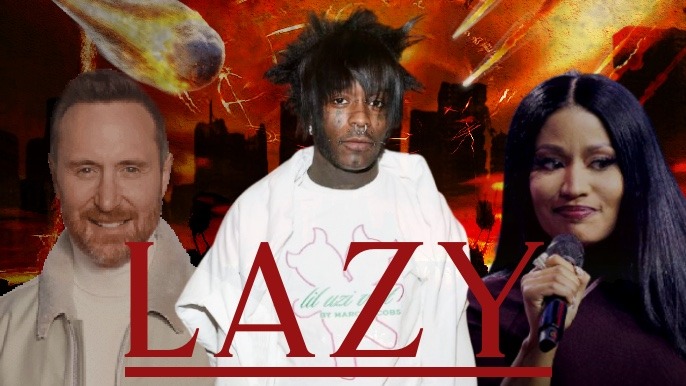
However, reworking an old song to create something new is not always bad and can be done tastefully. Where I begin to take issue with sampling is when the resulting track feels derivative, uninspired, and overall lazy. These tracks often add little to no value to the original song and piggyback off an established song’s popularity for cheap nostalgia-bait. Some may think I am coming at this topic a bit too harshly. Is there merit behind riffing off an old song? What are some instances where music sampling is handled with care? And why do unoriginal songs keep getting pushed to the top of streaming algorithms and music charts?
Sampling That Works
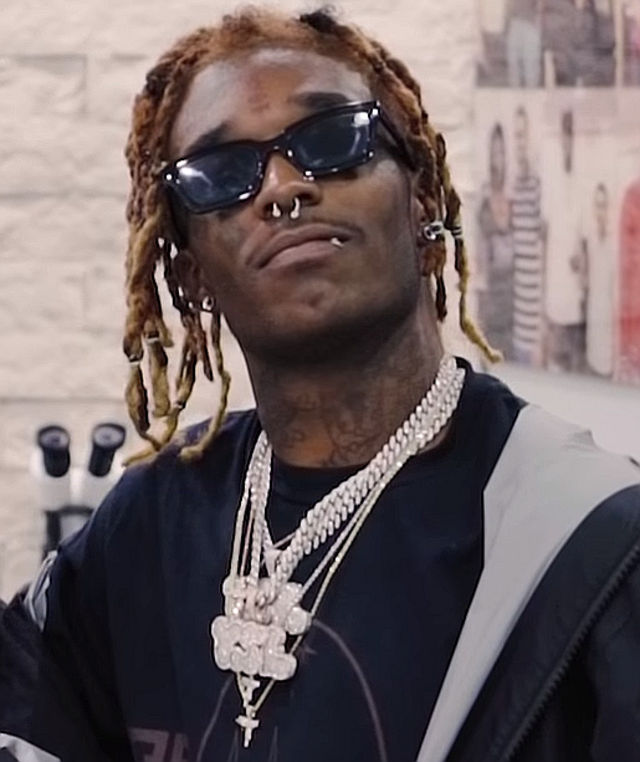
Let’s start off with an artist who is anticipated by rap fans to make a comeback in 2026. Lil Uzi Vert was one of the pioneers of feel-good trap music that was on the rise throughout the mid 2010s. The futuristic beat selection alongside their strained and autotuned vocal delivery created a fresh sound that many fans gravitated towards. Flash forward to the current day, critics have largely gotten tired of Uzi’s shtick. After the lukewarm response to their most recent release, Eternal Atake 2, fans are looking towards Uzi for something new, focused, and energetic.
In late 2025, Uzi began the rollout for their upcoming project by dropping four new singles. The first three releases were promising and generally well-received by fans, but didn’t quite reach the mainstream. Until the fourth single, “What You Saying,” broke through the noise. The song itself contains a very prominent vocal sample from the 2014 song “Love Story” by French singer Indila, and the sampled portion is used as the musical refrain for the song. Upon release, I really didn’t know what to make of the song – to me, the sample kinda felt out of place, and I personally preferred Uzi’s vocals on the singles that were previously released. Tracks like “Relevant” and “Regular” lead to Uzi’s reclamation of the spotlight and featured production that is upbeat and punchy. Although, as time passed, it is clear to see which track won over the hearts of general audiences.
A little over a month after its release, “What You Saying” currently stands with 60 million streams on Spotify. The track also peaked at no. 12 on the Billboard Top 100 and reached no. 1 on the Billboard Hot Rap Charts. After repeatedly listening, I really enjoy “What You Saying.” The track is heavily reliant on the vocal sample but Uzi’s vocals shine in their own right, blending together into a track that sounds like nothing else on the radio right now. The track is also weirdly pretty for a song from Lil Uzi Vert, so big thumbs-up for that!
Uzi has previous sample-heavy tracks, with one of the most prominent being his song “The Way Life Goes,” released in 2017, which now holds over a billion streams on Spotify. The recording samples a song called “Landslide” by the group Oh Wonder, which became a huge hit. It’s clear that this is a winning formula for the artist. So why does sampling large sections of songs work in Lil Uzi’s favor but have mixed results for other artists? I intend to explain why by this article’s conclusion.
Bad Sample-Reliant Songs

Often touted as the “Queen of Rap,” Nicki Minaj needs no introduction. Showing versatility, skillful lyrical ability, and turning anything she touches into a hit, Nicki paved the way for a new era of rap/hip hop that is dominated by women. She was able to achieve this in a genre that previously had sparse female representation, aside from a handful of acts.
Similar to Uzi, Nicki has also utilized sampling in her music. Her 2014 song, “Anaconda,” samples sections from Sir-Mix-A-Lot’s “Baby Got Back.” While the song received a large amount of attention and controversy upon release, it was due to the song’s lewd nature rather than a perceived lazy sample use. As her career flourished, her music seemingly lost some of its original appeal. I don’t think it’s controversial to say that, since becoming a star in the early 2010s, Nicki’s career has largely stagnated artistically. Nothing makes this more painfully clear than the release of Pink Friday 2.
The two stinkers that I’ll focus on are the tracks “Super Freaky Girl” and “Everybody.”
The first track directly pulls from Rick James’s smash-hit “Super Freak,” creating a beat that sounds nearly identical to the original song with only minor adjustments and variations made. Nicki raps about her usual topics like being freaky, designer brands, and how pretty she is – which isn’t inherently bad, but really goes back to why I don’t tend to enjoy samples that are handled like this. The melody of “Super Freak” is instantly recognizable; everyone has heard it at least once. So, when Nicki hops on an instrumental that does very little to differentiate itself from the original song, it just feels pointless and falls flat.
A similar sentiment is shared with the track “Everybody” from the same album. This song samples “Move Your Feet” by Junior Senior and is executed in one of the most brain-numbing ways I’ve seen from an established rapper. Nicki raps over a reworked, Jersey club version of “Move Your Feet,” where the sound bite, “Everybody,” is repeated throughout the song. I actually like how Nicki interacts with the vocal sample to complete a bar or punchline; the technique itself is commendable and can result in some really fun tracks. Although the punchline is repeated to the point of ad nauseam during the track’s 3-minute-long runtime. As a result, I grow tired of the tune before the song’s feature even starts.
Nevertheless, both songs did well on Billboard, with “Super Freaky Girl” specifically debuting at #1 on the Billboard Top 100. Regardless of how I feel about it, Nicki has continued to thrive on the charts while making use of prominent samples in her songs, and inspired a wave of new female rappers to begin releasing music.
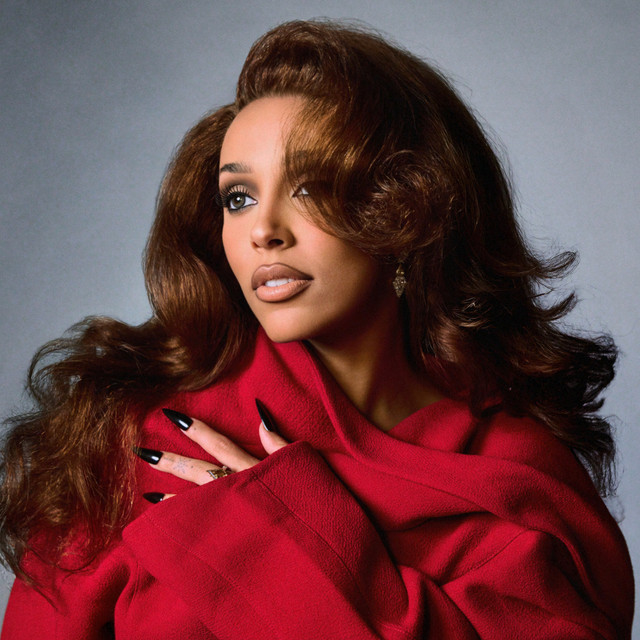
An artist who acts as a testament to Nicki laying the groundwork for new acts, Doja Cat, is a rapper and singer who often cites Minaj as a key influence behind much of her music. While discussing the topic of this article with my partner, she was brought up in the conversation, specifically her 2020 song “Freak,” which samples the beginning portion of “Put Your Head On My Shoulder” by Paul Anka.
While I don’t particularly think this is the worst example in the world – I mean, I don’t hate the song – it’s a prime example of needless trend hopping. The section of Paul Anka’s song had already made its rounds on social media platforms like TikTok. Doja Cat merely took an already popular section of a preestablished song, didn’t rework the sample in any way to make it unique or interesting, and dispersed it across the whole song. Despite my partner’s and my grievances with the song, it currently stands with 350 million streams on Spotify. Alongside other songs like “Say So,” these tracks catapulted Doja Cat into stardom.
The Worst of the Worst
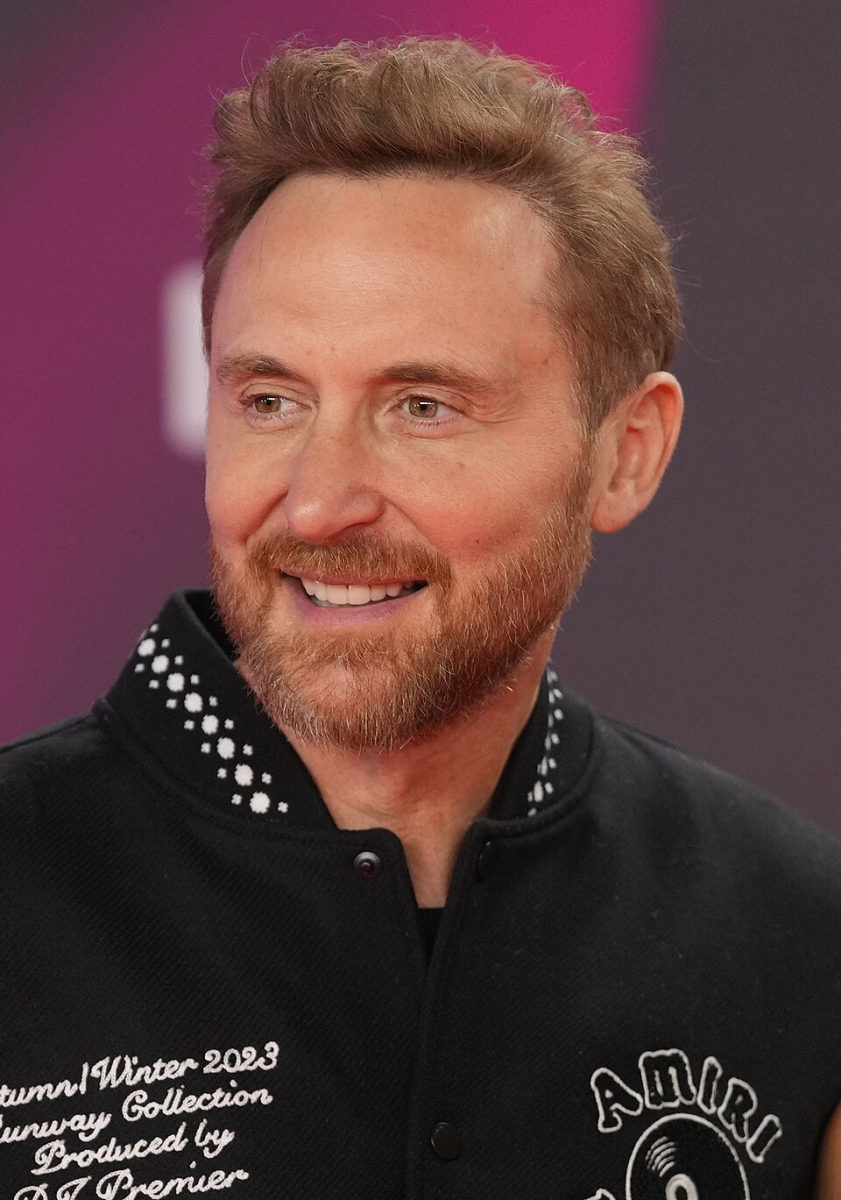
Finally, I’d like to share with you the song that originally inspired this article; the most egregious example of lazy sampling comes to us from the electronic music producer, David Guetta. When he’s not being carried by far more talented musical performers like Kid Cudi, Sia, or Akon, David Guetta has been cooking up some of the most abhorrent songs known to mankind. This track is so bad that I genuinely couldn’t believe what I was listening to with my own two ears; when I first heard it, I thought that it had to be some elaborate joke. But I just kept on hearing it. Nevertheless, the song “I’m Good (Blue)” featuring Bebe Rexha has been terrorizing radio stations and shopping districts alike since its release in 2022.
This track is so bad that I genuinely couldn’t believe what I was listening to with my own two ears; when I first heard it, I thought that it had to be some elaborate joke.
If you are lucky enough to not have experienced this trainwreck of a song, it interpolates “Blue (Da Ba Dee)” by Eiffel 65. The song is wildly uncreative and teeters on the line of a song cover, though it has the occasional sections that mildly differentiate it from the original. The mere existence of this song baffles me in so many ways, though, as the original was already seen as a novelty track and kind of annoying on its own. Who in their right mind thought, “You know what this song really needs, electronic dance elements and somehow more annoying lyrics than the original?” David Guetta, apparently. And, as I mentioned earlier, this song has been getting consistent radio play. As I write this, the song stands at a mind-boggling 2 billion streams on Spotify. I’m just left wondering, WHO IS BUMPING THIS??? Please leave “Blue (Da Ba Dee)” in 1998, where it belongs. We did not need this.
Conclusion
As music listeners, we need to demand more from established artists. Sampling in music has the ability to create groundbreaking blends of genres and ideas. Making use of lazy sampling techniques should be seen as a slap in the face of music fans who look up to their favorite artists for new and exciting music.
Instead, artists simply fall back on what is familiar in order to manufacture uninspired and derivative songs. To be fair, whether or not the resulting songs are good or bad is entirely reliant on the ability of the artists and producers. Though viewing the streams and Billboard placements of the songs mentioned, this lazy formula really seems to be working for some artists, despite the lack of good quality music. If sample-heavy tracks keep soaring to the top of music charts, I can’t help but ask, are we the problem?