By Peter J. Salzman, Special to the Journal
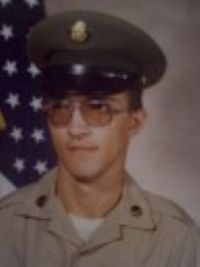
Growing up in a small, predominantly white North-Wisconsin town, I was sheltered from discrimination and segregation. Although I would see things on TV, it seemed as if the Civil Rights movement didn’t concern me because I was protected. My hometown didn’t have Black people or immigrants from places like Mexico, or really any kind of foreigners or minorities. That era of American history is different for me than for many students, because I lived through some of it.
I can really say that I never talked to a person of color until November of 1974. I remember that day; I enlisted in the Army, and I would soon learn how diverse the American military was. Even though there were many racial issues in the United States, I saw no barriers with discrimination among my fellow soldiers. Maybe I was naive, but I looked at everyone as equals. I joined the military at the tail end of the Vietnam Conflict, and I completed my training as the conflict ended.
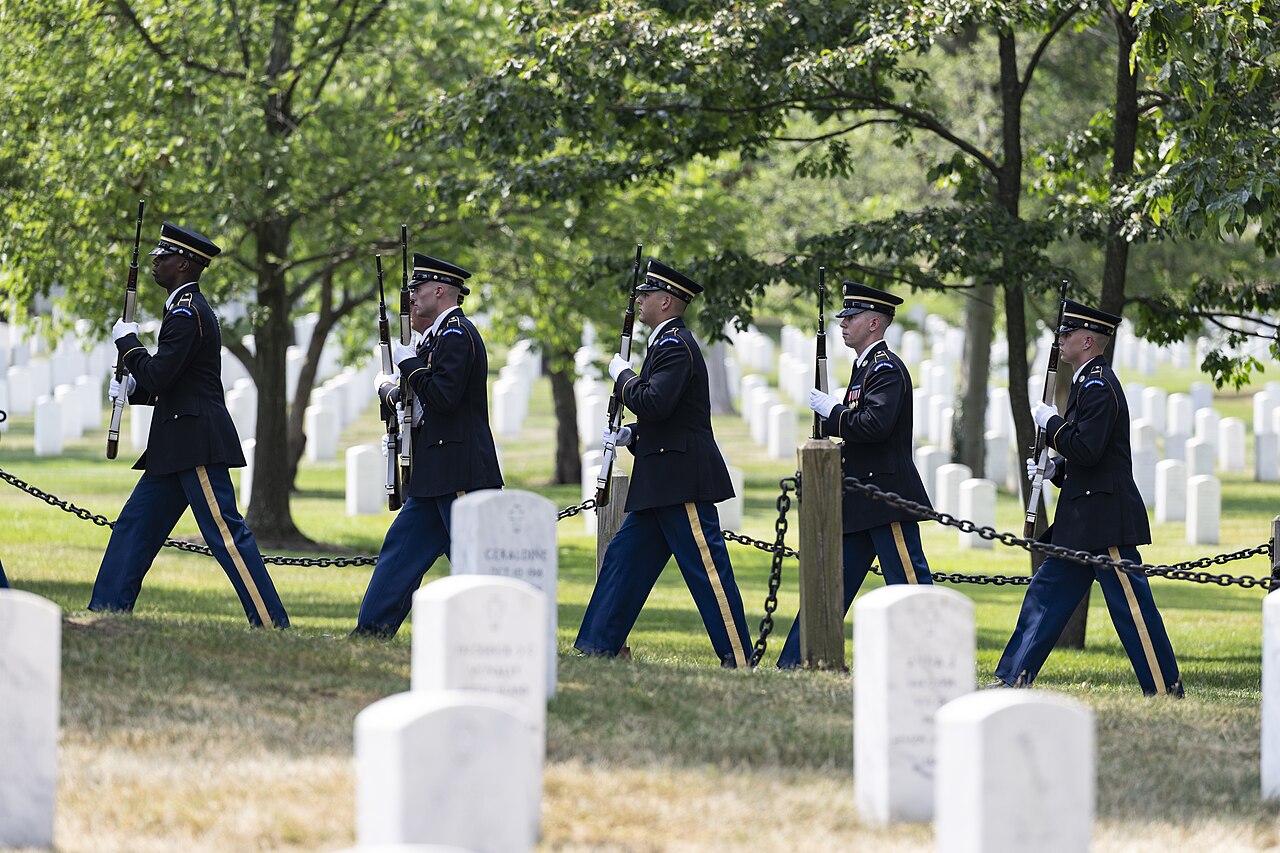
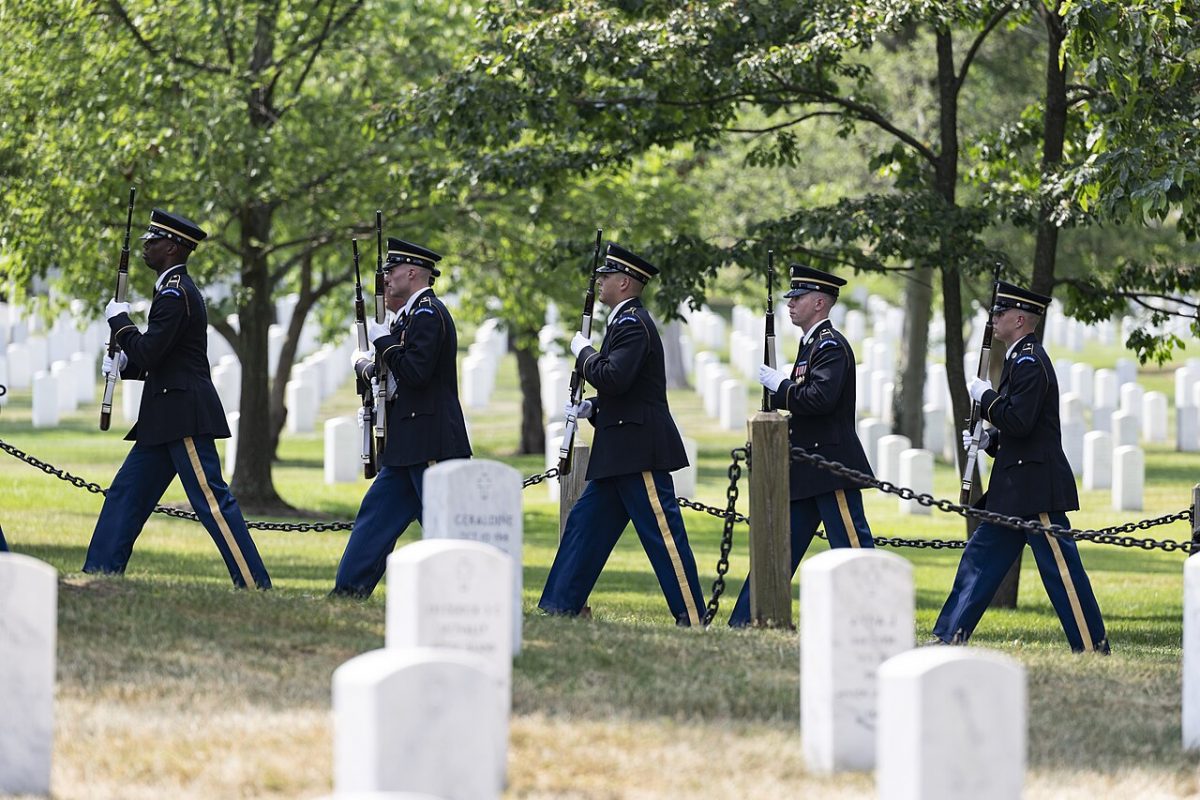
It was the summer of 1976 when my perspective of what the world was really like changed. I was assigned to a funeral detail and we were going to Southern Kansas to serve as Honor Guard for a fallen veteran. The 15 members of the Honor Guard were of mixed races, and we were best of friends.
We arrived two hours early, so we went to eat at a restaurant. Our food was ordered and served except for the Black and Hispanic soldiers; their meals came in lunch bags, and were then told to leave. The officer in charge came unglued. He asked why they were given the bags and not allowed to sit with the group.
The owner of the restaurant told him, “We don’t serve n*****s.”
We were in shock. We worked together, we saw each other as equals, and some of my commanding officers were people of color. As a group, we stood up. The men put their lunch bags on the counter, and as a group, we left.
At the cemetery, we found the sheriff waiting for us. He confronted the commander of the Honor Guard about the incident at the restaurant. He instructed us to do the 21-gun salute and play the taps before the body even arrived and get out of there. This was extremely abnormal. Our job was to respectfully carry the body of our fallen comrade to the gravesite, honor him with the 21-gun salute, and play the taps at the graveside. When an Honor Guard performs its duties, it’s meant to recognize the dignity of the fallen soldier. This whole ordeal defeated the entire reason for us to be there.
On the bus ride back to our post, everyone was talking about what happened, how it happened, and why it happened. While some of us sat stunned by what had just taken place, others didn’t; they understood all too well. For the first time in my life, despite being so young and naive, I truly realized how people of color were treated in the United States.
This was a big moment of growth for me. We all did a lot of growing up in the Army and I guess as time went on, these types of experiences made my fellow soldiers who were people of color feel degraded. I could tell at future Honor Guard events that these men were always on edge and, in hindsight, I think I was too. We never knew what was going to happen at the next one or how we would be perceived.
Recently, I conducted a U.S. Census search because I wanted to know what the population of that town was in the 1970s – it was 767 people. I also wanted to see how many non-white people live in the community. I suspected that there were none, and I wasn’t very far off. As of 2020, 441 people lived in the town, and 97.05% of the population was white or of European descent. The rest of the population is listed as “other races.”
In the last 50 years, nothing has changed in that Kansas town, unlike the town where I grew up, which has undergone many changes. My Wisconsin hometown is about the same size, but the ethnic demographics have increased noticeably.
Living in a small town can be great and I wish I could relive that life again; as one grows old, though, one learns new things. Since the ‘70s, I have traveled all over the United States and I have been to Europe, Japan, and Korea. Though I haven’t been back to these countries since 1990, they are always in my memories. That day in 1976 changed the way I looked at and thought of things more than in any other place. My worldly experience took me further than I thought it could.
Today I am married. My wife is of Korean descent, and I have three sons who are of Amerasian descent. I can proudly say that I have a biracial family.
Just as in the past, not all things have changed since I experienced my first racial issue. My own family has seen them firsthand since then. I’m sure we’ll see more, but from that first time in 1976 to now, I do feel as if it’s better… or maybe I’m still just as naive.