- The Many Origins of Halloween
- Flipping the Coin: A Thanksgiving Play
- Holidays Around the Globe: From Christmas to Yule and Everything In Between
By Patrick Dobyns, Editor
Happy Christmas, Chanukah, Kwanzaa, Yule, and so, so many more winter holidays to all readers! This season is celebrated around the globe in one form or another by almost every culture, in ways that have evolved both separately from one another and alongside each other. Over the past few months, I’ve written stories about the origins of the major American holidays, Halloween and Thanksgiving, but this one goes so much further and deeper than all the rest.
Christmas started out as a Christian holiday, celebrating the birth of Jesus of Nazareth shortly after the winter solstice. Since then, however, it has become so mainstream that other winter holidays that fall around the same time, regardless of the traditions celebrated, are often described as someone else’s Christmas, even though they are all incredibly unique.
To be perfectly blunt, I can’t get into all of them here – I cannot, in a single article, go into all the histories and traditions of Christmas, Chanukah, Yule, Makara Sankrānti, Saturnalia, Dongzhi, Kwanzaa, and all the others. What I can do instead is take a moment to go over the myriad solstice-centered holidays, who they’re practiced by, what traditions are involved, and what they mean. So, without further ado, we’ll start off with the one everybody knows…
Christmas
This is the holiday — the holiday whose celebrants put so many others to shame, the one that has so many movies, songs, and symbols associated with it that go so far beyond the traditional celebration that it has become a cultural staple outside of its original religious meaning. Stating the obvious first, Christmas in the Christian tradition celebrates the birth of Jesus of Nazareth in Bethlehem. Although not held on the actual birth date of Jesus (which is unknown), the date was chosen by the Christians in Ancient Rome so that they could celebrate during a different Roman holiday, Saturnalia, without arousing suspicion. Inversely, when Christianity gained prominence within the Roman Empire, having Christmas in the same period as Saturnalia attracted converts who would not have to give up their lively celebrations.
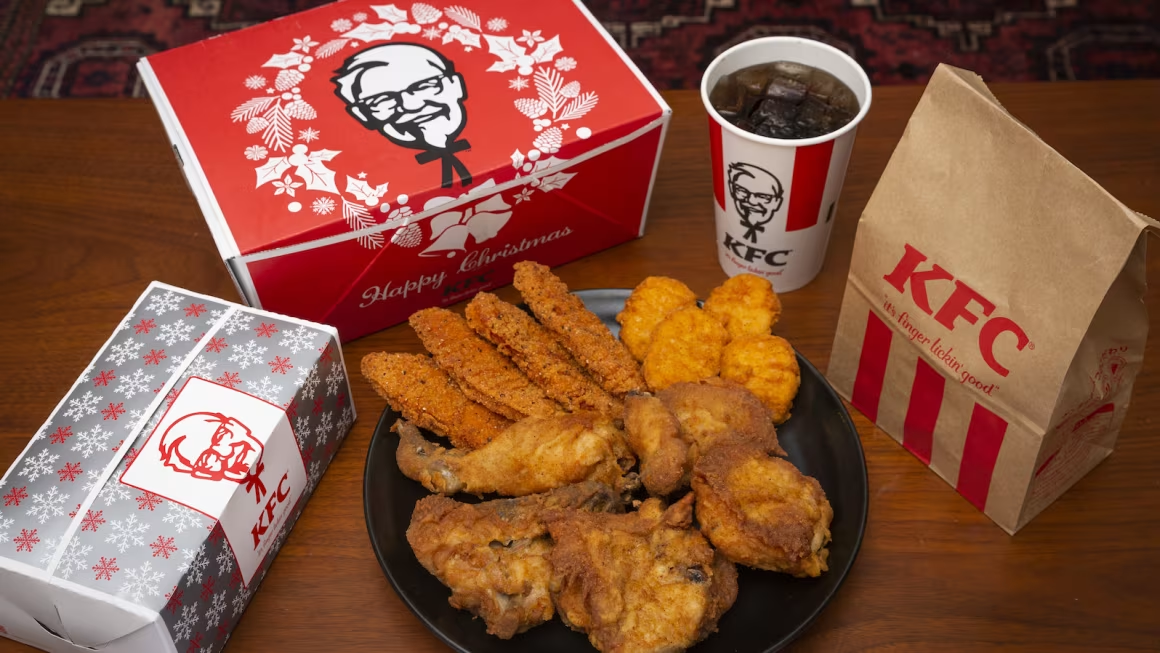
A truly global holiday, Christmas has a great number of traditions unique to the different cultures who celebrate it. In the Provence region of France, the Christmas feast ends with thirteen desserts, while in Japan, a Kentucky Fried Chicken meal has become the norm for the holiday. While many make use of Advent calendars, marking the days of the month before Christmas, they have an even stronger presence in Germany, while the Catalonians of Spain have a curious symbol called a Cagenar; a figurine of a man squatting to defecate. Cagenares of famous political or pop-culture figures are even sold as ornaments!
Of course, we cannot forget the most famous personification of Christmas, Santa Claus. Saint Nicholas, from whom the figure is derived, was an early Christian wonderworker whose most famous attribution tells of him throwing a sack of gold coins through the window of a father so he could marry off his three daughters with dowries rather than sell them into prostitution. The giving of gifts became something of a theme associated with him and, through the Dutch name of Sinterklaas, he became known more colloquially as Santa Claus. Certain Germanic traditions also feature certain malicious counterparts of his — the Krampus, whose responsibility it is to punish the wicked rather than reward the righteous, with punishments ranging from whipping with a switch to gobbling the child up.
As previously mentioned, Christmas has so much global impact that it is the go-to winter holiday which all others are compared to, so it’s about time to go to another, earlier tradition.
Chanukah
Also called Hannukah, the Jewish Festival of Lights commemorates the recapture of Jerusalem in the second century BCE and the dedication of the Second Temple. The twenty-fifth day of Kislev, the ninth month of the Hebrew ecclesiastical year, in the Jewish calendar marks the beginning of the eight-day celebration, remembering how, during the cleansing of the Second Temple, a single night’s worth of oil was recovered that miraculously lasted eight nights.
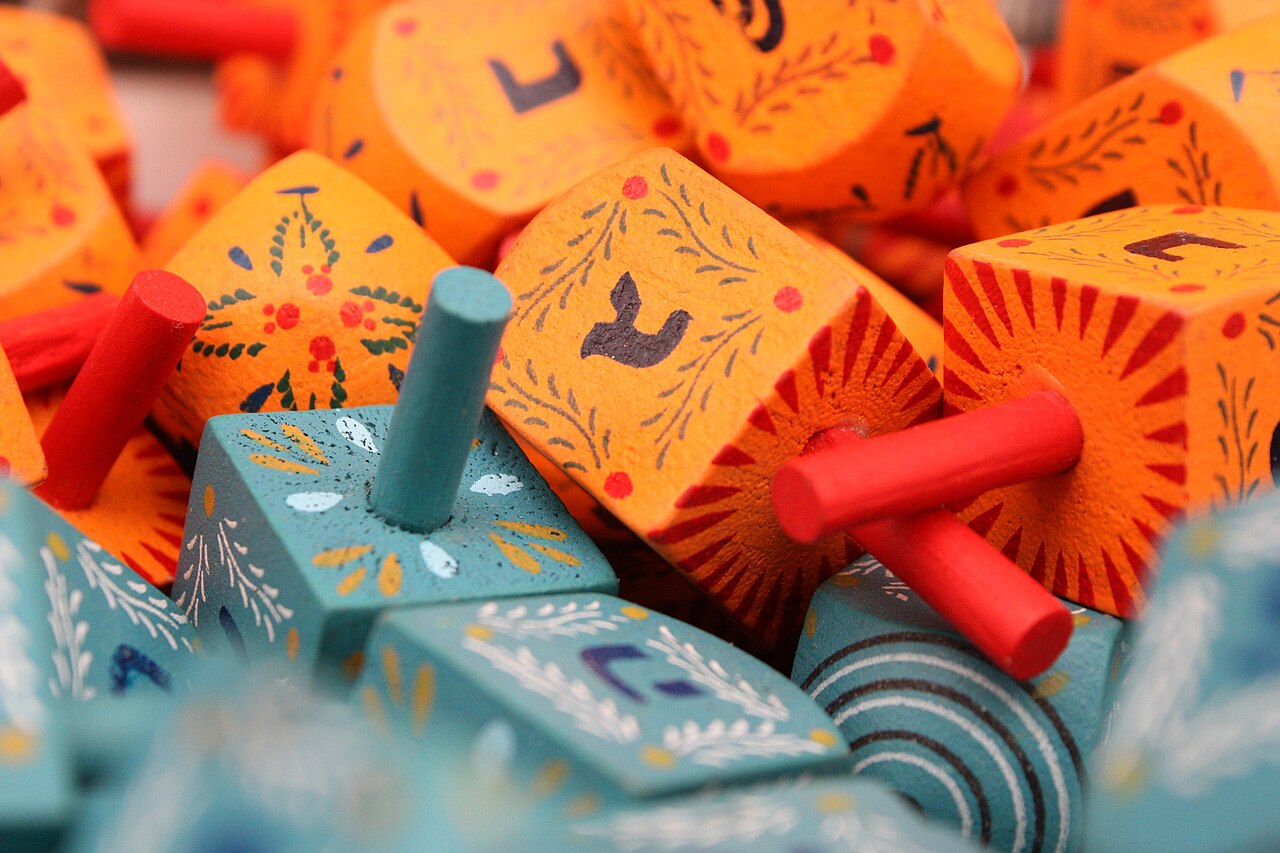
The most well-known of Chanukah traditions is the nightly lighting of Menorah candles; a central candle is lit on the first night and is used to light the other eight candles in the following nights. Additionally, much like Christmas has its carols, Chanukah has its own variety of music. After the candles are lit, Ma’oz Tzur is sung, often followed by other Chanukah songs. In Israel and North America, as well as other global Jewish communities, this is also the time when presents are given to children. The typical foods served on these days are fried dishes, such as potato pancakes (latkes), jam-filled doughnuts (pontshkes), and fritters (bimuelos). The traditional dreidel also cannot be forgotten, a top with four sides, each featuring Hebrew characters that commemorate the miracle of the Second Temple.
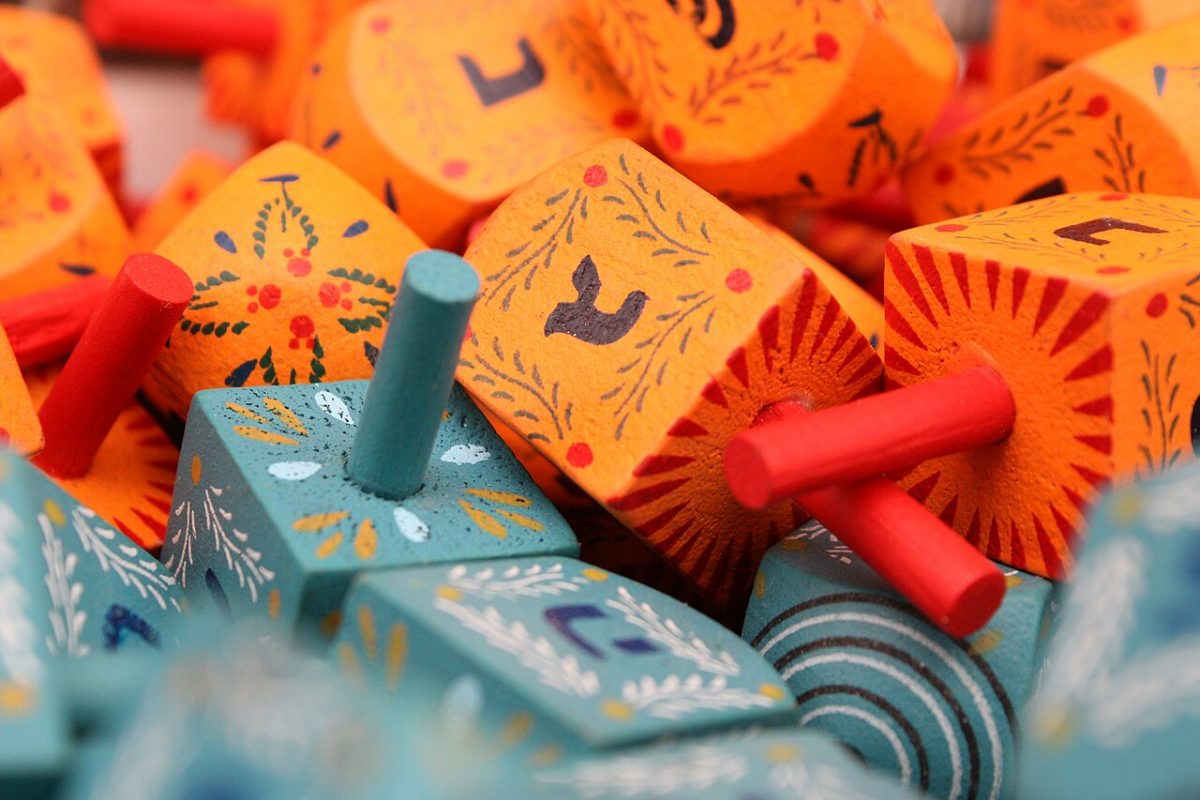
Despite the many traditions associated with the holiday, Chanukah is not considered a major holiday in Jewish tradition. Unlike many holy days, it is not a Sabbath-like holiday, meaning adherents are permitted to work on any of the days which do not themselves fall on the Sabbath. It has only really gained as much attention as it has outside the Jewish community because of its proximity to Christmas — which is also the primary reason why gifts are given in North America and Israel.
Kwanzaa
In the 1960’s and 70’s, the Civil Rights movement was in full swing in the United States, and with it a surge of Black Power, a burgeoning African American identity, and a desire to separate from the dominant culture of the United States. Thus, in 1966, activist and author Maulana Karenga created the holiday of Kwanzaa. It is held from December 26 to January 1, each day meant to represent the seven principles of Kwanzaa — unity, self-determination, collective work and responsibility, cooperative economics, purpose, creativity, and faith.
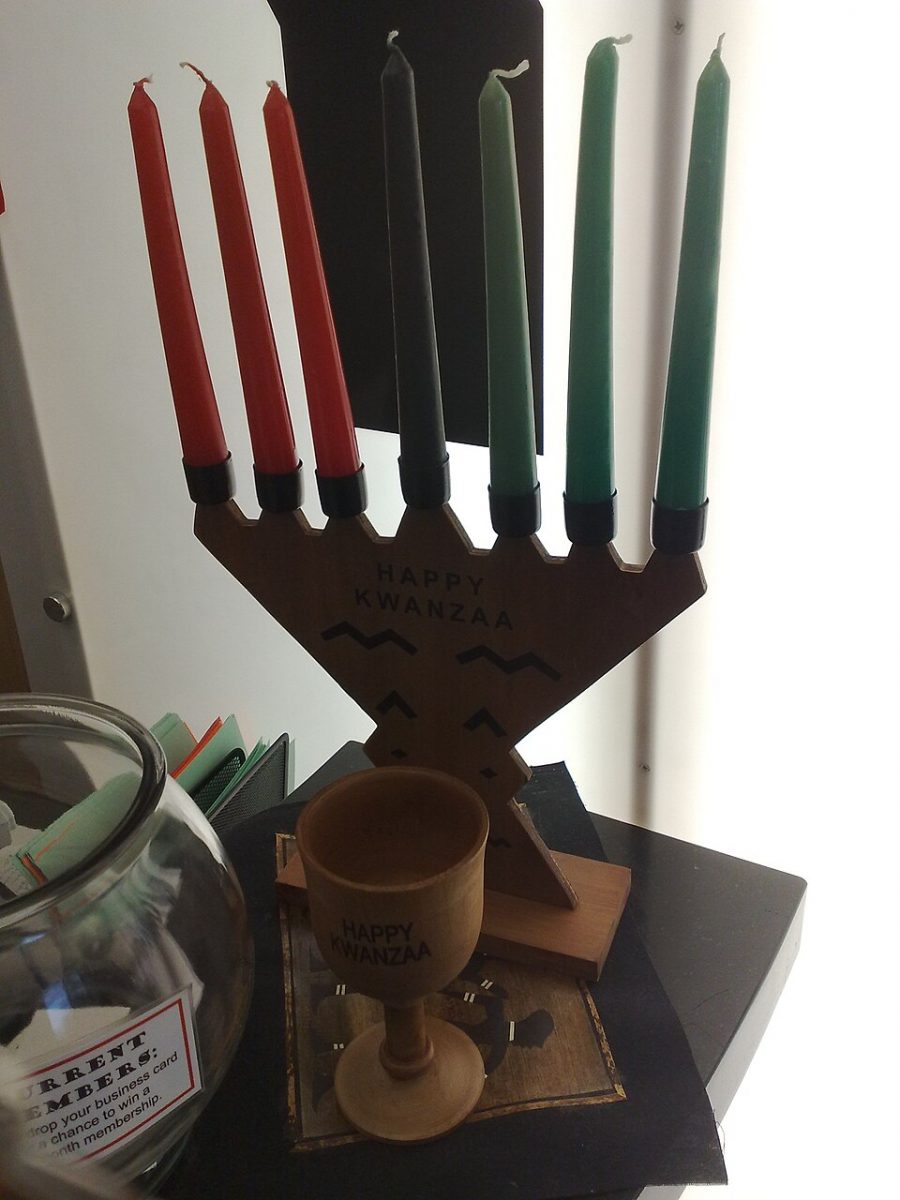
Much like the Chanukah Menorah, Kwanzaa has a tradition of lighting seven candles on a kinara, which are frequently colored black, red, and green, the colors of the Pan-African movement. As with most North American winter holidays, gift-giving is a staple tradition. African arts are put on prominent display, while the sixth day of Kwanzaa, December 31, is marked by a feast called Karamu Ya Imani.
Mualana Karenga said he had created the holiday to “give Black people an opportunity to celebrate themselves and their history,” as well as serve as a replacement for Christmas so African Americans did not have to simply adopt the traditions of the “dominant society.” Due to its extremely recent emergence as a holiday, as well as the declining popularity of Black separatist movements, Kwanzaa has declined in practice over the past few decades. According to a poll by the National Retail Federation, less than three percent of those planning to celebrate a winter holiday said they would be celebrating Kwanzaa, while roughly 14% of the US population is African American.
Makara Sankrānti
When the Sun enters the constellation of Capricorn in the astronomical cycle, usually on or around January 14, the people of India begin the celebration of Makara Sankrānti, or just Sankrānti. Celebrated by most faiths present in India, the holiday is held to celebrate Surya, the Sun God of the Hindu pantheon, and marks the end of the winter harvest season. This festival is often celebrated for four or more days, and there are many festivals held across the regions of India.
For those who live in the Gangetic plain, it is traditional to bathe in the waters of the Ganges River (and its tributaries), as it is seen as a purifying act to wash away sins and start the new year. In Assam, traditional games include pot-breaking and buffalo fighting, while also erecting huts to feast in and burning them down the next morning. In Bihar and Goa, edible seeds that are harvested are given out and prepared in special dishes, often made into sweets, while in Gujarat, flying kites known as patang has become such a popular activity that the sheer number of kites in the sky has caused some harm to the local birds. And, in the Punjab city of Muktsar, a major fair, or Melā, is held to honor the day for the Sikh community.
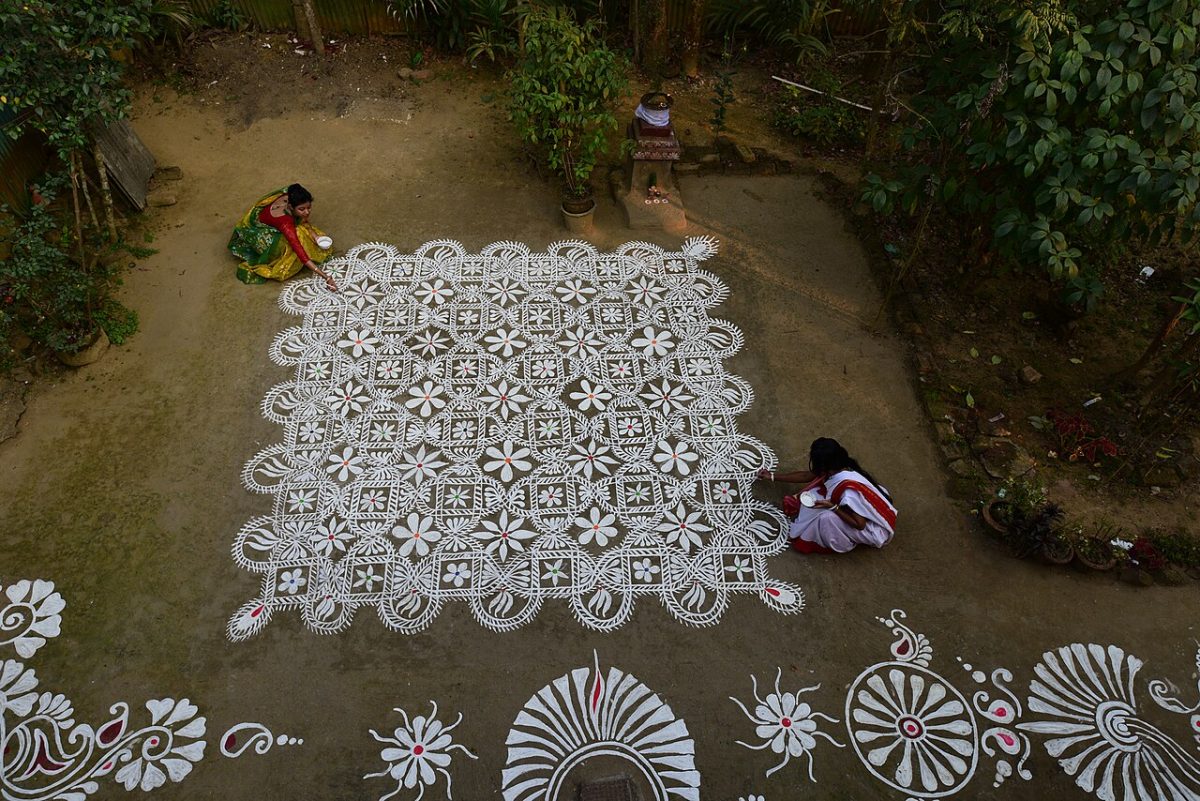
Wherever you are, there is a common thread — feasting. It shouldn’t be surprising for a harvest festival; the foods served are just as varied across the Indian subcontinent as they are for Christmas across Europe. These feasts are not limited to India, either, as the holiday is also celebrated in the neighboring nations of Nepal, Bangladesh, and Pakistan, as well as through a global diaspora of Tamil people.
Dongzhi Festival
In Chinese belief, Yin and Yang, negative and positive forces, must maintain a perpetual balance. Dongzhi, or the coming of winter, represents the day when Yang strengthens as the days begin to grow longer and the nights shorter. This ancient Chinese celebration dates back to the Zhou dynasty, during the first millennium BCE. Like many other global holidays at this time, Dongzhi began as a harvest festival, when farmers would bring in the last of the year’s crops. The holiday gained more cultural and spiritual significance as time moved on.
One of the most celebrated aspects of Dongzhi is the reunion of family and one of the traditional treats of the season is rice balls, or tangyuan. The treat serves a symbolic purpose; as hundreds of grains of rice are formed together into a cohesive form, so does the family come together. The other traditional dish of dumplings derives from a story told about a man during the Han dynasty (from the second century BCE to the second century CE) who gave out warm dumplings to stave off frostbite among the poor and homeless. Tradition holds that the dumplings should be given out not just to family but close friends, and that leaving out one or two will bring good fortune.
Yule and Saturnalia
A look at the solstice traditions would not be complete without recognizing the Pagan traditions of Europe that gave rise to so many of the Christmas traditions we still observe today: the Roman Saturnalia and the Germanic Yule. The holidays are important precursors that have left undeniable marks on the modern holiday, and they are still observed to this day. Modern Pagans of various traditions elect to observe these days rather than (or often along with) Christmas as a way of honoring the ancient roots.
Yule is perhaps the more recognized of the two holidays, as the word is still used nearly synonymously with Christmas today. Due to the exceedingly thorough Christianization of Northern Europe, few records exist of the solstice celebrations of the region, and most attestations for the holiday are questioned. We do know that there was a festival of some sort on this day, though, and the lack of primary sources has not deterred modern Pagans from reviving it as a holiday. According to Snorri Sturluson, a thirteenth-century Icelandic poet, King Haakon of Norway, a Christian who ruled over a still primarily pagan country, moved the Yule celebration to the same day as Christmas and imposed fines for not celebrating either holiday.
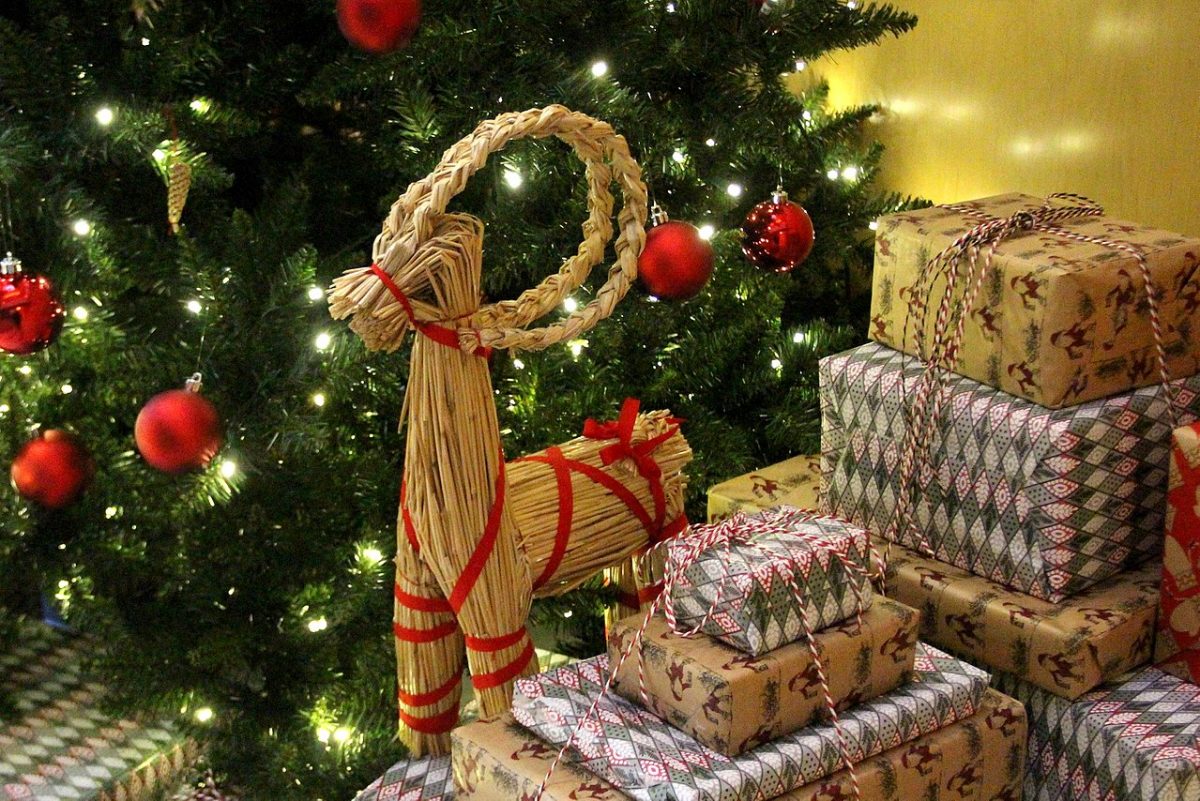
In Northern Europe today, there are many Christmas traditions that are attributed to the pre-Christian celebrations. While items such as the Christmas tree are only attributed to post-Christian practices, things such as the Yule log or the Yule goat possibly originate from a time far earlier, although this is not verified. Despite this lack of verification, this holiday has found a more recent following among several groups: modern Pagans, especially those who practice Germanic influenced traditions, celebrate the day to honor the old gods with a variety of traditions that either try to recreate the holiday as closely as reasonably possible or combining elements from several modern and ancient sources; Wicca, who celebrate the rebirth of the Great Horned God, either in their own private way or among their community; and LaVeyan Satanists, who celebrate the time as a secular alternative to Christmas.
What we have much more information on is the Roman festival of Saturnalia, starting on the week of December 17. Honoring the god Saturn, the Romans upturned all social norms, treating slaves as nobles and permitting them to speak against their masters, giving gag-gifts to friends and family, and creating an almost constant festival atmosphere that lasted the entire week. A “King of Saturnalia” was crowned, whose orders held as much weight as any statesman’s. The day was supposed to represent the mythological Golden Age, when Saturn ruled over the gods instead of Jupiter, and humanity was free from labor.
Conclusion
There are a number of common threads throughout all of these mid-winter holidays that all can appreciate. There is almost always feasting of some kind; the solstice was the time of the final harvest, so it only stands to reason that those who gathered their crops celebrate another year of sustenance and plenty. Candles and light can be found anywhere, banishing the cold and dark on that longest night of the year and looking forward to the lengthening days. And, finally, gift-giving and acts of generosity are abundant in the modern era, sometimes due to the influence of the Christmas traditions on the rest of the world and sometimes simply due to the fact that, when the night is cold and harsh, we feel a kinship with those less fortunate than ourselves and a desire to help the members of our community.
So, no matter what you celebrate, how you do it, what you eat or say or observe, we want to wish you Happy Holidays. Sing out the old year and bring in the new, and remember that it’s been a long, long path to where we are now. The night may seem long, but we celebrate because we know it will be brighter tomorrow.