
By Bean Gast, Editor
Many people start New Year’s Day hungover but with the intention of participating in Dry January or with the goal of ditching alcohol once and for all. We all know that by March or even February, our New Year’s resolutions begin to falter, as life becomes too chaotic to keep up with a plethora of new routines and goals. Although this may be the pattern for most of us, that doesn’t mean we can’t break cycles.
Throughout the month of January, I spoke with several recovered or recovering alcoholics, who provided me with insight on how to quit drinking for good. Even though I don’t personally have a drinking problem, I’ve witnessed other folks in my life struggle with alcoholism, which directly impacted how they were showing up in the world. That being said, I hope these tips can help you or people in your life change their relationship with alcohol.
Tips from Recovered or Recovering Alcoholics:
- Don’t be so hard on yourself
- Even if you slip up, it doesn’t mean you can’t pick it back up the next day
- Attend both one-on-one therapy and group therapy
- If you have access to it, go to rehab
- Make connections with other recovering alcoholics
- Do sponsorships and build a network of people you can rely on
- Reside in sober living housing
- Focus on how decisions today could benefit your future
- Take any steps towards a larger goal
- Establish a practice or ritual
- Find something to believe in (a higher power)
- Try meditation and mindfulness
- Use positive affirmations to rebuild self-worth
- Find a form of self-care: yoga, workouts, nature
- Tell anyone and everyone what you love and what you’re working towards
- Love ALL of yourself; embrace your flaws while working to improve them
Find Your “Why”
The most important tip is to have the desire to change. Your efforts should be rooted in a reason that you constantly remind yourself of, especially when the temptation creeps in. Your “Why” can be anything you feel passionate about, whether it’s to better your health, heal your relationship with yourself, or mend relationships with others. Delve deep into your mind until you can remember how it felt to trust yourself, and in moments of weakness, summon that trust to guide you through temptation.
The Chosen Drug
Whether you want to admit it or not, alcohol is a drug, one that we have chosen as society to accept, normalize, and celebrate. I will acknowledge that the process of fermentation and hand-crafted brewing is truly a beautiful process. However, the relationship that we, as a society, have with alcohol is unhealthy and contributes to this endless cycle of pain. The accessibility and marketing of alcohol is the perfect example of the government capitalizing on human weaknesses purely for economic benefit.
The Shame
Whenever I’m procrastinating, I typically find myself staring out the window with my cat, spying on my neighbors in a totally not creepy way. For months, I watched my neighbor across the street struggle with alcoholism, until the day he got evicted. Up to that point, I watched him get arrested multiple times and charged with multiple DUI’s, along with peeing himself, drooling on someone’s car, and walking home from the liquor store with a bottle in hand. In all of those moments, I felt the need to help him in some way, but chose to not involve myself.
It was a hot summer day when all of his belongings were thrown out onto the sidewalk as he stood there watching. Eventually, he laid down in the grass and passed out with his bag still on his back. I couldn’t just sit there and watch him wallow away, so I made a peace offering with a red Solo cup filled with ice water. I could see the shameful sweat rolling down his face, and I could feel the embarrassment in the air that surrounded him. Soon, he was able to muster the words, “I am so embarrassed,” and he repeated that phrase maybe 20 times. In the end, I wasn’t able to help him and have not seen him since.
The shame you may feel surrounding your relationship with alcohol is valid and very real; though, it should not be given power over you. Shame is not an emotion we typically talk about, and because of that, it is even more likely that it can eat away at you. Overcoming the shame, embarrassment, and disappointment is a way to take back your power and rise above alcohol.
Alternatives to Alcohol
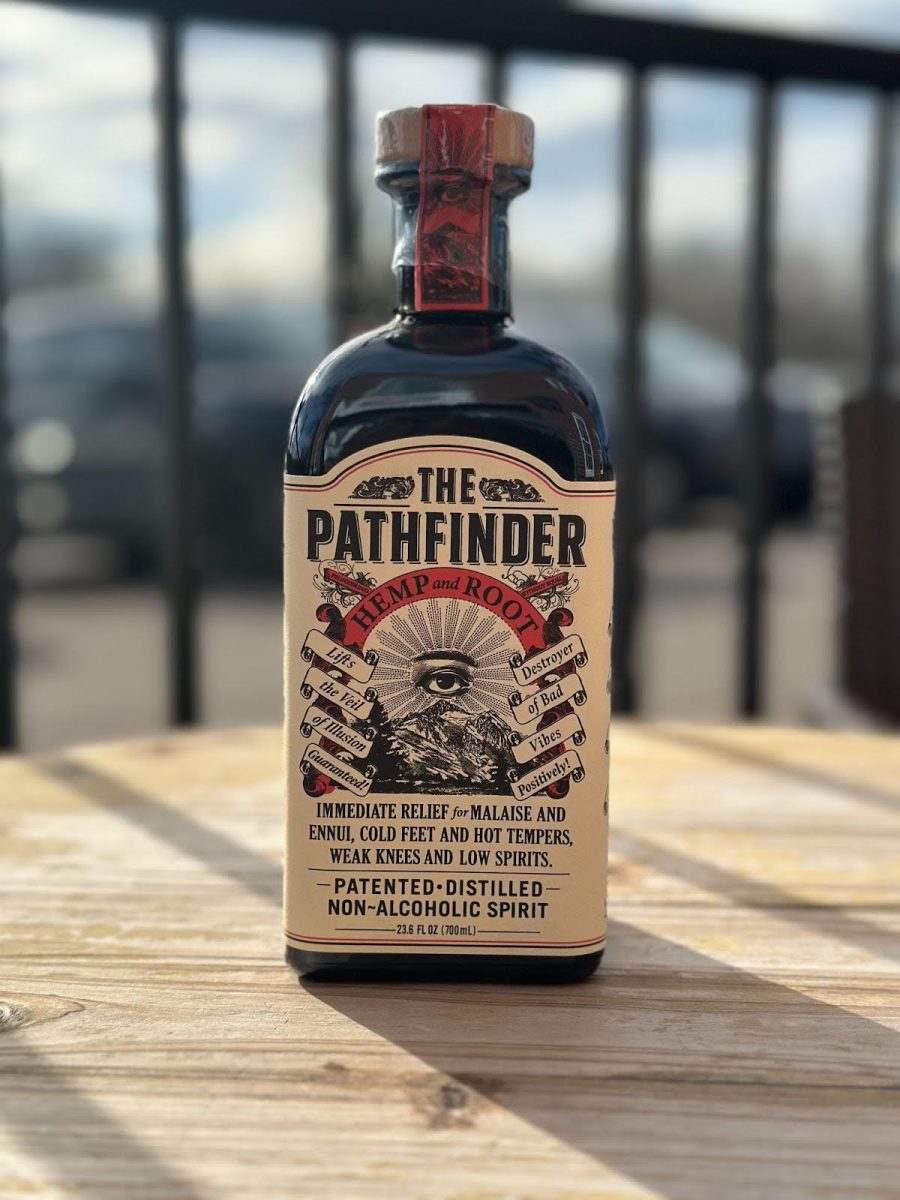
Since sobriety is trending, there are many alternatives to alcohol that don’t carry the adverse effects. Some alternatives just mimic the taste of alcohol without any psychoactive stimulation; for instance, N/A beers mimic the ritual while also containing herbs that help calm the nervous system while some alternatives have psychoactive effects that alter your state of consciousness. For example, Kava is a root from the South Pacific islands which contains lactones that induce relaxation. Though it is now common to find non-alcoholic drinks, mocktails, and alternatives at your local bar, make sure you love being sober before taking part. Bar atmospheres and even N/A drinks that taste similar to alcohol may be triggering for some folks, while others enjoy being able to socialize without being intoxicated. Either way, it’s nice to have options that move us towards a society that doesn’t celebrate drinking culture.
Breaking the Cycle
“Alcohol became my lover, my best friend, and my only comfort. But, I lost everyone I ever loved because of that. It’s a hard road to recovery, but the other side is filled with love and joy. You find yourself again, you find your loved ones again, and you’ll see the world in a different way. Colors are more vivid and life is more amazing than you could ever imagine.” – Anonymous Recovering Alcoholic
In the depths of addiction, it can feel as if you are permanently stuck in a never-ending cycle of self-sabotage. Don’t let the shame eat you alive. There is a way out. You have the strength to summon self-control and learn how to trust yourself again, but it isn’t a journey you should take alone. There are online support groups, encouraging subreddits, and counseling services here at Pellissippi State to help you throughout your journey. You don’t have to make a New Year’s resolution to stop drinking; you can start today!