By Abby Kelton, Special to the Journal
Growing up as a female athlete, I am acutely aware of the disparity in the recognition male athletes receive in comparison to female athletes. Witnessing men’s sports receiving an insulting amount of praise for the same accomplishments that we as women fulfill has led me to realize how not only unfair, but incredibly disrespectful this is.
I can attest to the fact that this issue continues to be a constant burden for female athletes. From adolescence to adulthood and beginners to professionals, discrimination in sports is shown at all levels, as the notion of women being belittled in the sports world has become a repugnant societal norm. Women in the sports community do not receive nearly as much of the same recognition as men, and it is evident in their professional wages, limited access to resources, and unequal media coverage.
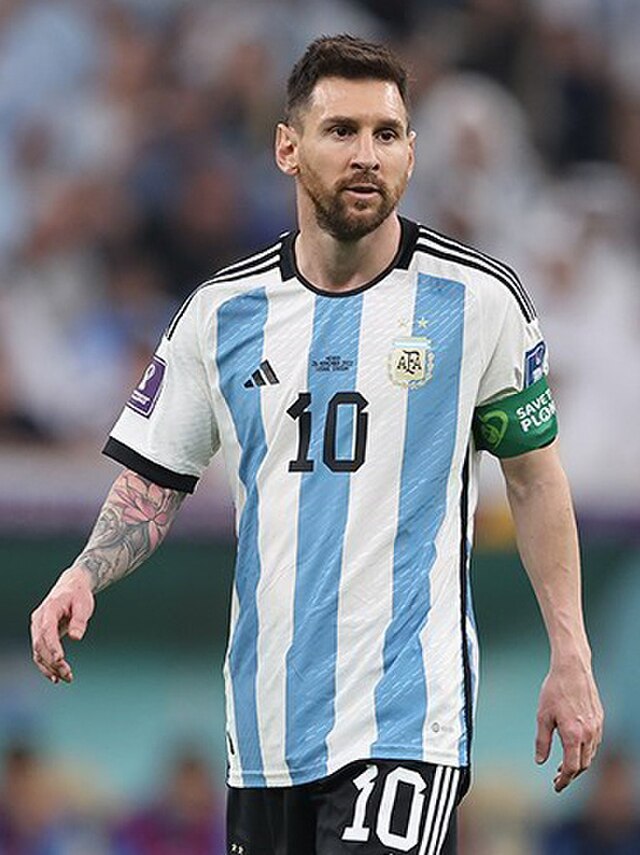
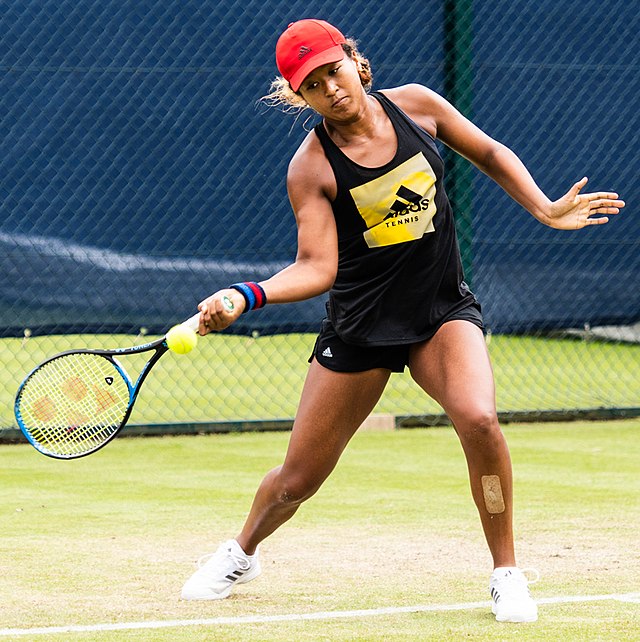
In the professional athletic community, women have been known to share many similarities with male athletes, except for the amount of money they earn for their performances. In Muscle and Brawn’s article, “13 Male vs Female Sports Statistics, Facts, and Demographics, ”Daniel Louwrens states that the “highest-paid female athlete on the planet,” Naomi Osaka, had made $51.1 million in 2022, while Lionel Messi, the highest-paid male athlete, made $130 million in the same year. Although Osaka was the highest-paid female athlete in the world, she received only a fraction of Messi’s overall income.
Another struggle for female athletes is the lack of adequate resources and facilities for practice, while several men’s teams receive top-tier resources. According to women’s athletics online magazine, The West Sport, African regions like Nigeria and Kenya “lack access to modern facilities, despite producing world-class athletes” in women’s soccer and other athletics programs. Without access to the resources that are essential to building skills needed for success, female athletes can face disadvantages when reaching elite levels in their sports.
The disproportionate amount of media coverage that is produced for women’s and men’s sports has been an ongoing issue in the sports industry as well. Scribes explains that, as of 2021, “Women’s sports receive only 4% of total sports media coverage globally,” continuing on to explain that the exposure in the media is important for all athletes due to the potential drive in ticket sales and sponsorship opportunities. Limiting the exposure to the media for female athletes is also vital to the income they receive due to the potential sponsorships and brand deals that they could possibly gain. Media outlets must reevaluate this amount of coverage so that it is equally dispersed amongst the different sports, whether they are female or male sports.
The differentiation between the women and the men in the sports community is explicitly shown in the pay they receive, limited facilities and resources, and a lack of media coverage. Some people may support the idea that, because men’s sports generally drive in more revenue and are considered to be more entertaining, the greater recognition they receive is justified.
However, men’s sports have received those attributes because of the exposure they receive, the resources they have, and the coverage they gain. If women’s sports received the same amount of exposure, they would have the same possibility of experiencing a significant growth in interest and revenue. Female athletes are often overlooked and, to fix this issue, there needs to be support and encouragement from those across the globe. Investing in their success, watching their performances, and supporting their journeys are all ways to help give the women in the athletic community the recognition and praise that they truly deserve.
Editor’s note:
The grandeur of the sports industry in the US has been perpetuated by men throughout time. The interest, entertainment, and talent have been limited to men for a long time, and women attempting to enter this field have been made to seem unnecessary or even unfeminine.
As young women, most of us are not included in conversations about popular sports, like football or basketball, simply because it is not the norm for women and girls to enjoy these things; we are kept out of the conversation.
The foundation of sports is in community, entertainment, and passion. Who is watching, who is playing, and who is pulling the strings to make it happen all build into beautiful communities within different sports and leagues. And, due to the underlying execution of girls in the conversion in general, a wall has been built around who is welcome to participate in this world.
Start small in how you engage with women’s sport, grab a friend, and attend a game from one of our amazing women’s athletic programs here at Pellissippi State Community College, or even watch a game from the comfort of your home (Pellissippi State streams many games for free). Girls, do not let these flimsy walls keep you from the beauty of sports; you deserve that seat in the stands or on the bench, too.
Works Cited
“Home.” The West Sport, thewestsport.com/the-biggest-barriers-women-athletes-still-face today/. Accessed 3 May 2025.
PT, Written by Daniel Louwrens BSc. “13 Male vs Female Sports Statistics, Facts, and Demographics .” Muscle and Brawn, 19 Nov. 2024, muscleandbrawn.com/statistics/male vs-female-sports/.