

By Anna Trevathan, Alumni Managing Editor
The world collectively clutched its pearls when Ruby Franke, famous vlogger and mom of six children, was revealed to be a monster in disguise. A truth that had not been recognizable to the naked eye, as she was actively showcasing her family on her socials as one to be envied. However, underneath a trad-wife, god-fearing exterior, hid a woman hungry for fame and power, willing to put her children through a lifetime of unpaid labor to get it.
This revelation led to an uproar of debate across the country, and put an uncomfortable question into the spotlight: what protections exist for children who are monetized by their own parents? In Tennessee, this question has turned into legal action – but first, it’s important that we understand exactly what is going on.

What is a Kidfluencer?
A Kidfluencer, or an influencer who is under the age of 18, is a child who is being posted by their parents/guardians to various social media platforms. These children often have massive amounts of viewers and followers, and even earn money from this following. Influencers have money coming in from larger apps themselves, like Instagram and Facebook, but beyond that, they are making money from lucrative brand deals. However, as we know, Kidfluencers are not negotiating their own contracts, nor are they the ones getting money into an account, unless their family so chooses.
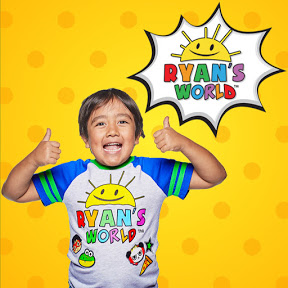
To put this into perspective, The New York Times and Forbes have both written articles on the face of a multi-million dollar empire: 14-year-old Ryan Kaji. Ryan invites other kids into Ryan’s World, where he showcases online content like tours of the Legoland Hotel and science videos on tsunamis but, most notably, he plays with toys. He features new toys and a new video almost daily each week, from Paw Patrol figures to McDonald’s play kitchens.
Aged 10 at the time of the Times article, this “king of toys” brought in a whopping $250 million off of his branded merchandise alone. Conservative estimates, according to the Times, set him at earning over $25 Million annually.
How is Tennessee Protecting Them?
Tennessee Senate Bill 1469 steps in to define and draw a line, ensuring that children are still granted the childhood that they deserve. This bill acknowledges that children who make the type of money that Ryan does are not going anywhere, and that the Kidfluencer economy is very real. This economy promotes a system where children are appearing in content without the guarantee that they’ll receive financial gain from it.
The Bill defines the minor as engaging in paid content when they appear in more than 30% of a creator’s paid content, including likeness, name, and photographs, within a 30-day period. If a child is becoming the focus of a brand and a reason that people are following said brand, the state of Tennessee is considering that child a member of the workforce.
Newfound Kidfluencer Rights
While the bill (after an Amendment) allows for the participation of children in the content creation industry, there are now financial safeguards in place. Earnings tied to the minor’s participation will now be deposited into a trust account for the child to access upon turning 18 – for those familiar with Coogler’s law, this will sound very familiar and speaks to our newfound entertainment industry. If multiple minors appear within that content, they will be splitting those earnings between them to be divided into individual trusts.
Alongside this newfound financial responsibility for the content creators, is a need for bookkeeping. Content creators must track how often the child appears, the revenue earned from these appearances, and how much money was placed into that child’s trust. These records must be kept, and accessible to the minor, until the child turns 21 years old.
Tennessee granting these children their financial freedom is amazing, but what’s more interesting is the ownership of the content. The children who appear in this content have digital agency, which legally allows a teen or an adult to request that a monetized video they were featured in be taken off the internet, and the platforms that these videos were featured on have 30 days to remove them.
What Are the Penalties?
Tennessee is not taking risks, as they have clearly outlined what their enforcement will look like. Under this new bill, violations of the outlined rules will include a civil penalty of $2,000 per violation, with each video counted separately. In a world where one two-day trip can turn into two weeks of sponsored videos, these families could accumulate tens of thousands of dollars in damages.

What’s the Outcome?
Tennessee’s Bill, SB1469, represents Tennessee’s commitment to catching up with an ever-evolving industry. Bills like this make it nearly impossible to truly profit off of a child’s life, and grants them the privilege of having their own childhoods. By defining these children as workers, and giving them financial and digital freedom, our state has made them owners of something that they should have always had rights to.
Yet, the bill has created an air of caution within Tennessee’s marketing world.
Tennessee has defined Content Creation in the bill as “the act of sharing video content filmed in this state on an online platform in exchange for compensation.” This creates an interesting halo of protection for families living in states outside of Tennessee, visiting our famous tourist destinations, including towns like Pigeon Forge, home to Dollywood and plenty of other attractions, who rely on tourism and influencers to come and advertise their children having a wonderful time. Tennessee, in using this definition, has perhaps unknowingly created a ripple effect on its own tourism industry.
SB1469 has been an unexpected conversation starter on just how normalized the monetization of children has become, and has defined newfound rights for our children all in one. This bill is going into effect on July 1, 2026, but I assure you that we will be hearing plenty from the loudest voices on the internet until then.