By Rebecka Jones, Staff Writer
Construction on Campus
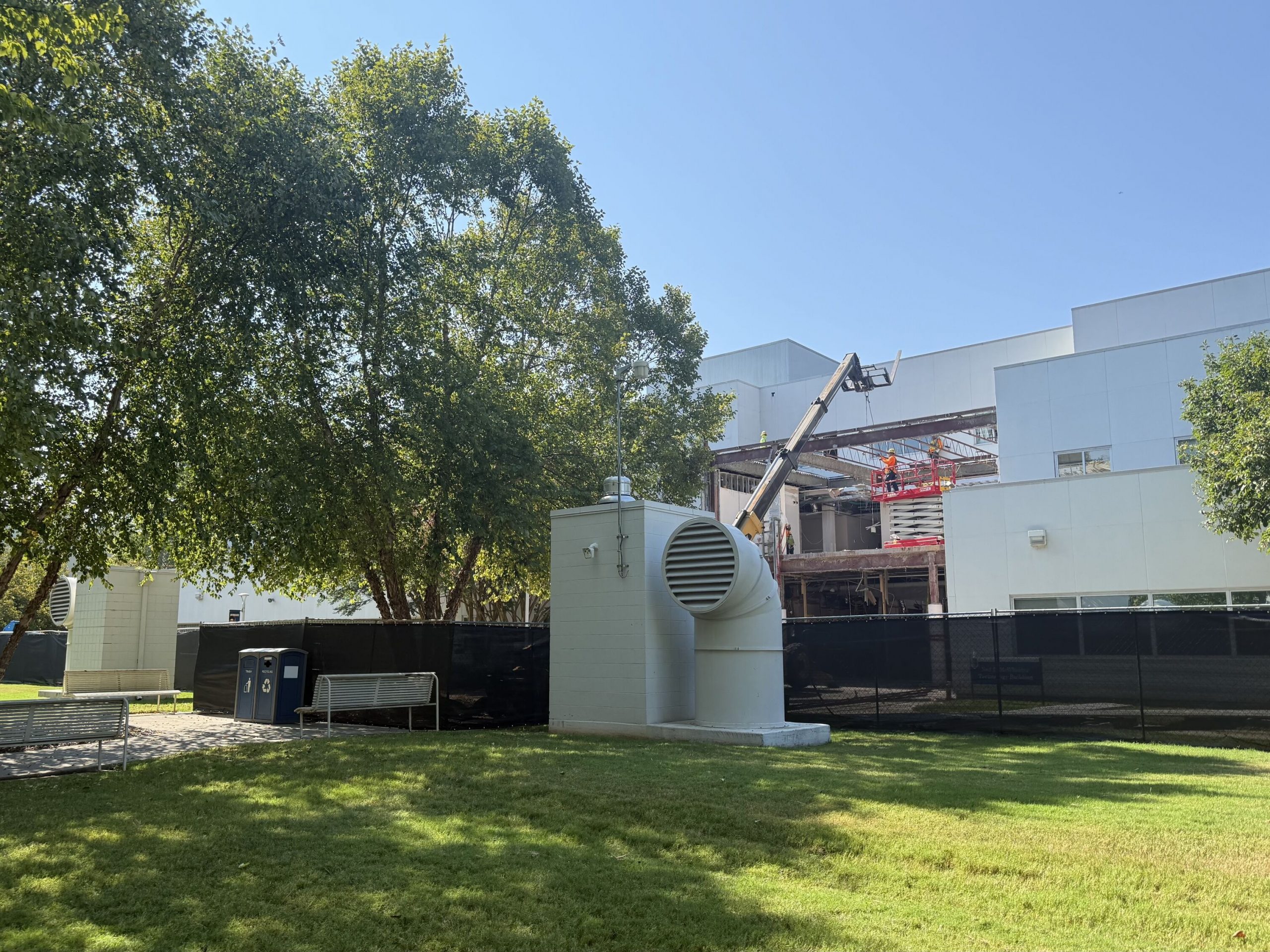
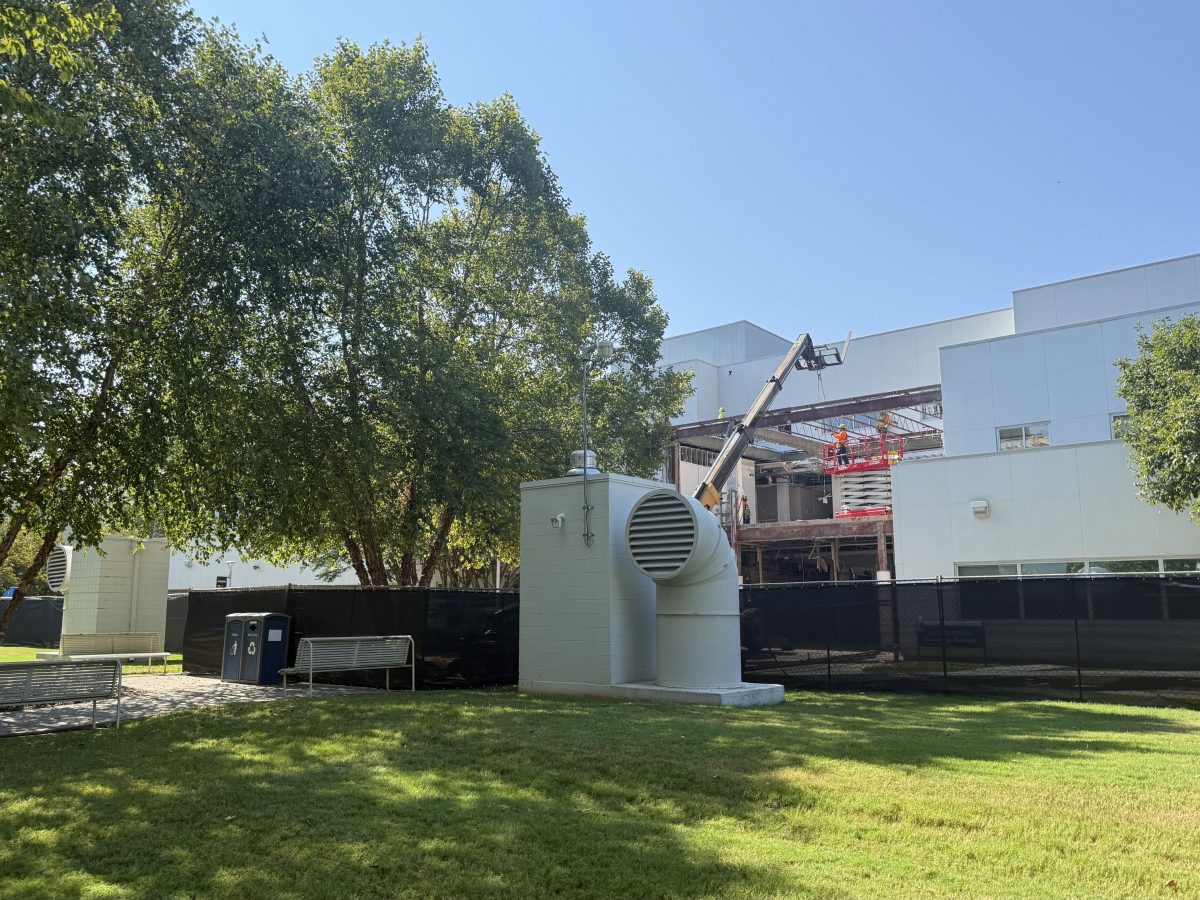
If you’ve recently walked around Pellissippi State Community College’s Hardin Valley Campus, you may have noticed the construction happening around the Ned R. McWherter Technology Building. You may have even seen the scaffolding and crane, or heard drills hitting metal and machinery beeping.
Due to renovations, the building is completely closed off to students and faculty, causing a lot of classrooms to relocate. Other classrooms, formerly in the Educational Resource Center (ERC) and Lamar Alexander Arts & Sciences buildings, have also been relocated because of remodeling.
Despite the stress construction adds to students and faculty on campus, the improvements promised will be worth it.
Administration, Faculty, and Student Perspectives
According to Dr.Wise, the Pellissippi State College President, Ned R. McWherter is one of Pellissippi State’s first campus buildings, and classes have been held inside it since the mid-to-late 1980s.
The building has air duct vents and a floor structure that isn’t completely built out, as it was built several decades ago. He said that Pellissippi State is going to “recapture that space between the floors so we’ll have more classrooms for students and office spaces for faculty and staff.”
In addition, the technology building will include an entrepreneurship center for students who are interested in, or already involved in, business programs so they can incubate their businesses. Dr. Wise explained that the college also plans to rework some of the engineering labs and add workforce development classrooms to help prepare students for their careers after graduation.
“[Ned R. McWherter] is going to get a good makeover,” Dr. Wise noted. “Which is going to allow us to have more classroom space for student learning and exciting labs for business and engineering.”
The renovations have impacted classes and caused relocations, with faculty and administration accommodating students through construction.
“We didn’t want to cancel things,” he replied. “We didn’t want to delay, so it was really about finding new spaces [for classes].”
A couple of Pellissippi State’s academic deans dove into this renovation project and did an analysis of what spaces certain classes needed. For example, engineering classes that required labs were relocated to Strawberry Plains and Blount County because those campuses had lab space. As a result, enrollment has increased on both campuses.
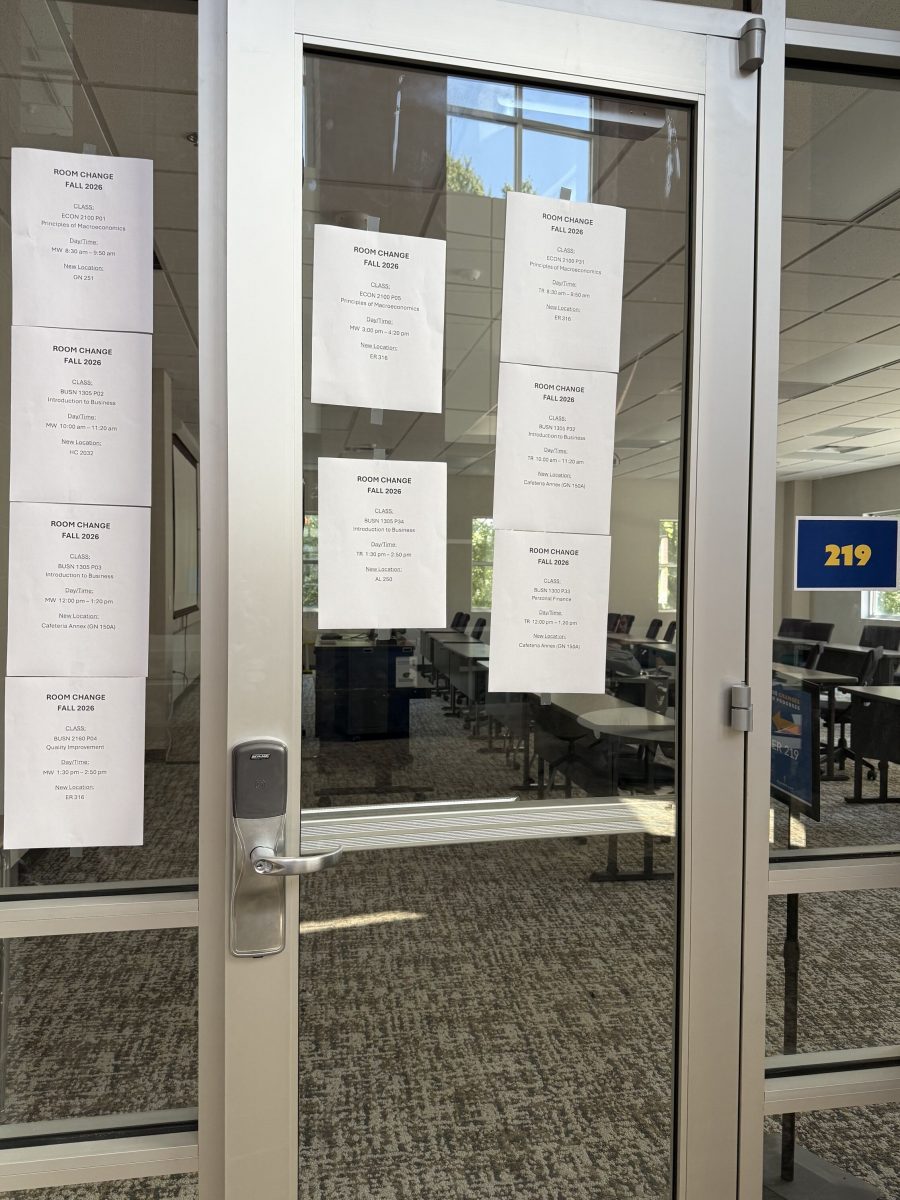
With Lamar Alexander and the ERC also offering limited space, administration has tried to maximize all the classrooms they possibly can by using alternate spaces. Some teachers now hold class in areas such as the cafeteria annex and J.L. Goins Administration auditorium.
My Introduction to Business lecture is one of the classes that have been temporarily moved to the cafeteria annex because our original classroom in the ERC is currently under construction. The situation was a little inconvenient because I didn’t know where the cafeteria annex was and had to ask a faculty member to help me locate it. The space itself is also distracting compared to a normal classroom because students are always walking by and trying to open the door.
The School of Communication, Arts & Media Technologies and the School of Technology, Engineering, and Mathematics (TEM) have been the two schools most significantly affected by the change in classroom space. The Dean of the School of TEM, Merve Kester Thomas, explained that course sections like 310 and 806 offered at the Hardin Valley Campus were originally scheduled in Ned R. McWherter and, therefore, had to be moved.
According to Dean Thomas, administration had to convert spaces on multiple campuses into classrooms and computer labs so students could continue taking the courses required for their majors. The School of TEM relocated the Electrical Engineering Technology program to the Blount County Campus, while the Mechanical Engineering Technology program was relocated to the Strawberry Plains Campus. Pellissippi State is prioritizing minimal disruption to student learning and ensuring space for classes, which is why these relocations were necessary.
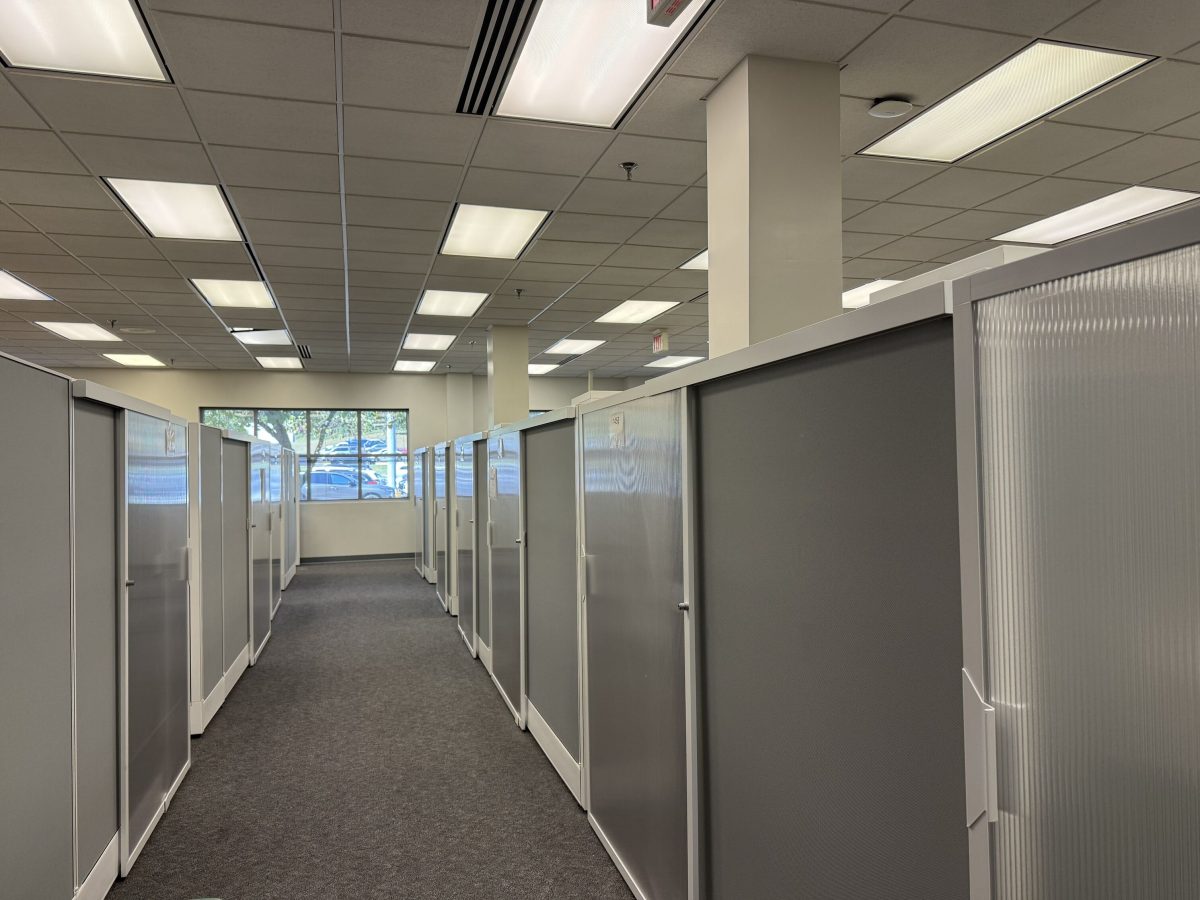
Not only have students been affected by these changes, but faculty who previously had offices in Ned R. McWherter had to move to available spaces such as cubicles in the ERC, offices in Portable B located beside the Student Recreation Center, and areas in the Lamar Alexander building. Moreover, faculty whose programs moved to another campus generally moved with their programs, burdening them with longer commutes and unfamiliarity with other campuses.
Besides the stress of classroom and office changes, the renovations caused other issues for students: “Sometimes I can hear [the construction] from my classroom in the Alexander building,” one student said. “It prevents me from paying full attention [to class].”
Similarly, another student explained, “It has been distracting in class because it’s so loud. My class has been moved to another building due to [the renovations], and the new location is a small room with a lot of people.” However, the student also said, “I’m sure the renovations will be over before we know it, and things will go back to normal. Plus, [Ned R. McWherter] will be nicer than what it was before.”
The loud construction noises and changing of classroom space, paired with the other campuses being up several thousand students, have created inconveniences for both students and faculty. Even so, Dr. Wise explains that the renovations are going reasonably well. Blount County may be dealing with an overflow of students as well, but they are working through it and are in good shape for student learning. But when will the renovations be finished?
Dr Wise said, “It’s a three-part renovation schedule. We did some work in Lamar Alexander over the course of the last six months or so. We’ve done work in the ERC, and Ned R. McWherter was the third part.”
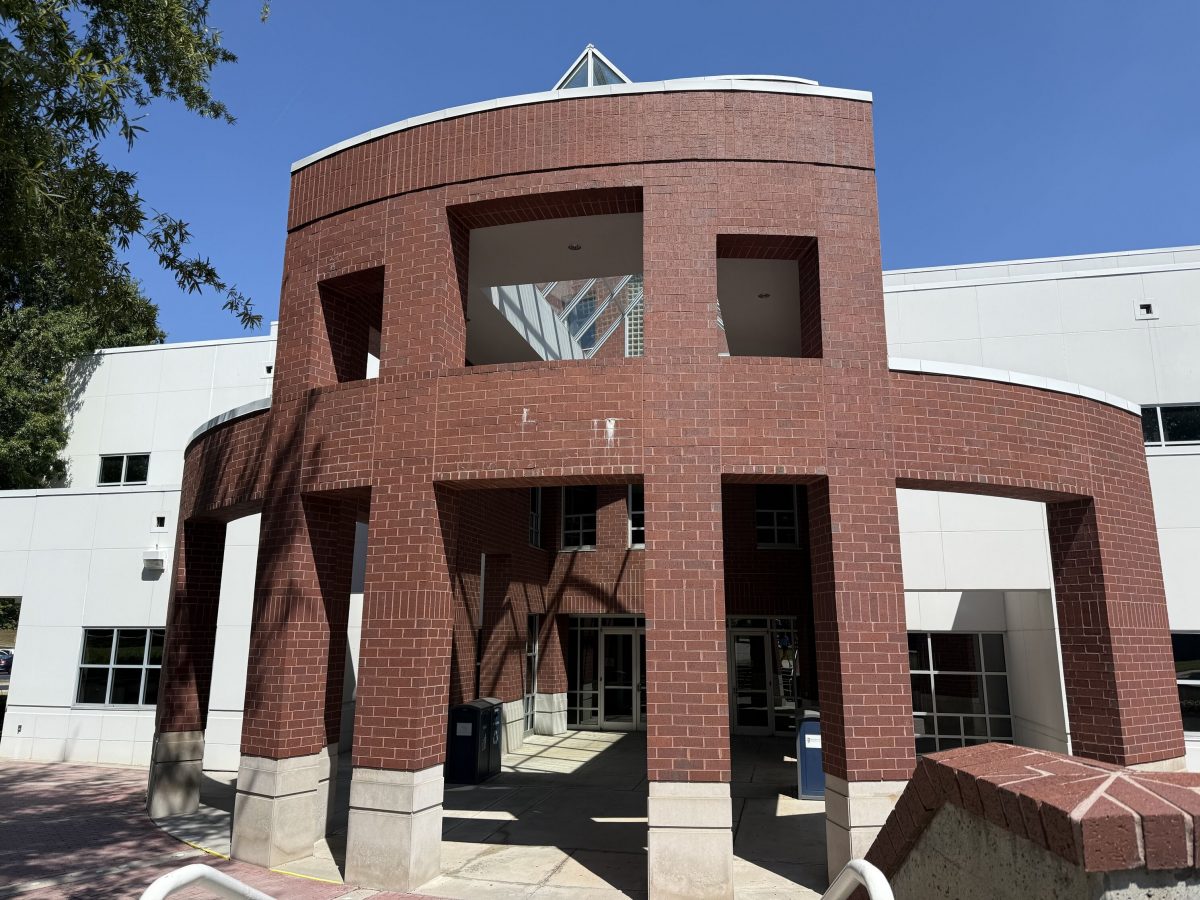
The construction company Johnson & Galyon began progress in the technology building with electrical work, so the building currently has no power. They have also begun building a monumental entrance in place of the old entrance that they are tearing away. Rather than the entrance simply being a set of double doors, they’re adding brick to make it look similar to the entrance to the ERC.
“We originally hoped we could squeeze [the project] in just two semesters, but it’s probably going to stretch into three,” Dr. Wise explained. “So we probably won’t be back in Ned R. McWherter until spring of 2028. They’ll finish by November of 2027.”
The combination of work in the three buildings will take more time to complete. The construction involves planning the new building layout, tearing away the old spaces, and rebuilding new ones. The workers are adding new structures and equipment that take time to set up. Moreover, the extra work with the dip in the road by the college’s Solway entrance delayed the schedule.
Dr. Wise talked about the dip in the road and its effect on the project. “It was a big concern of ours when it happened,” he responded.
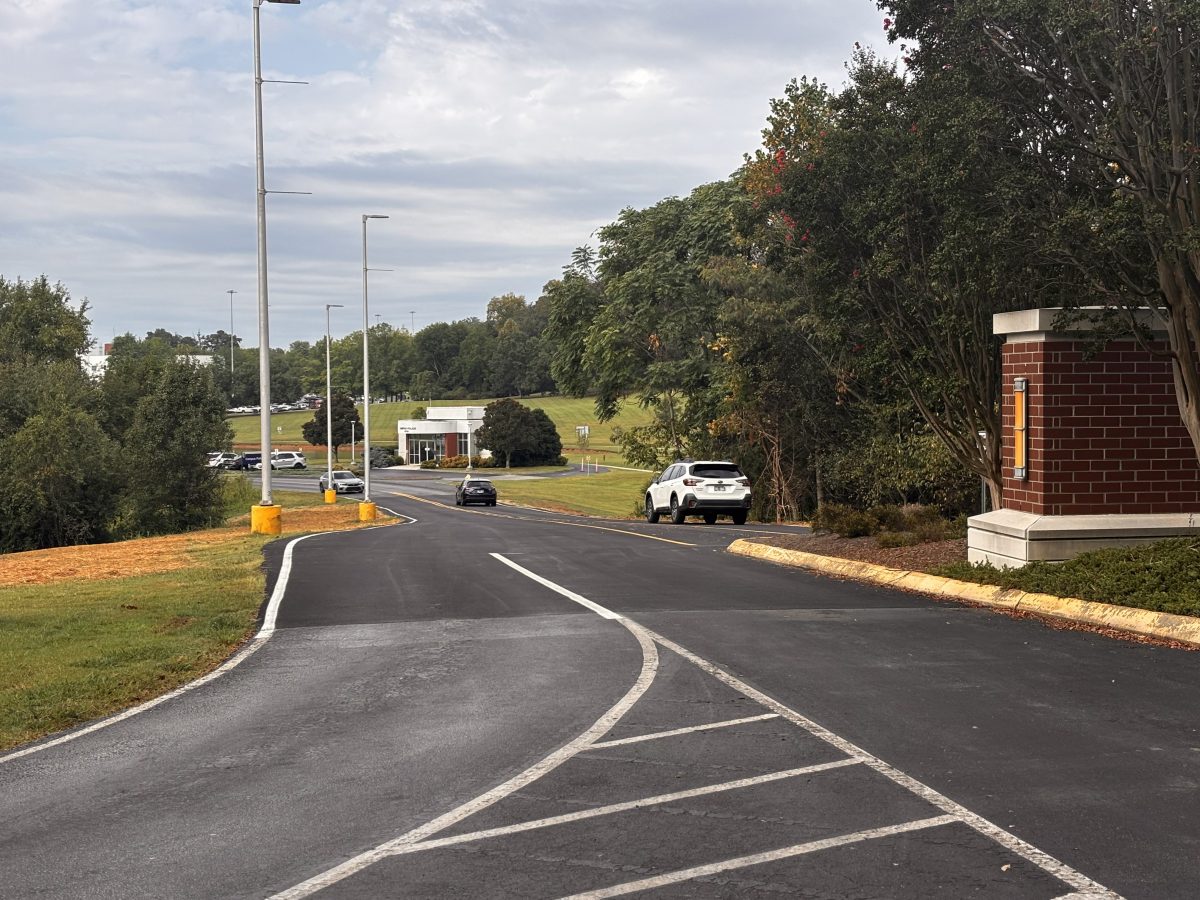
There is a culvert that runs underneath the road by the Solway entrance that was collapsing about thirty to forty feet, which is what was causing the dip. Pellissippi State eventually tied that in with the renovation project and got it done this summer before fall classes began, so students were able to use that entrance without having to worry about the road scratching the bottom of their vehicles.
Dr.Wise then talked about the financial aspect of the project. He stated the first phase in Lamar Alexander, ERC, and Ned R. McWherter, then the second phase in Lamar Alexander, all totaled about $39 million.
“We started this with $25 million from the state of Tennessee as a budget appropriation two or three years ago,” he said. “The other $14 million will come from a combination of funds from the institution, which are reserve funds, and from our Pellissippi State Foundation, which is raising money to support.” Pellissippi State also has donors supporting the project who will be naming the engineering and entrepreneurship center that will be built in Ned R. McWherter. But how long will these renovations last, and will the campus need more in the near future?
“It’s going to be a pain in the neck for the next couple of years,” he explained. “But our hope is that by the time we get through Ned R. McWherter, the facilities on this campus will be set up for the next twenty or thirty years.”
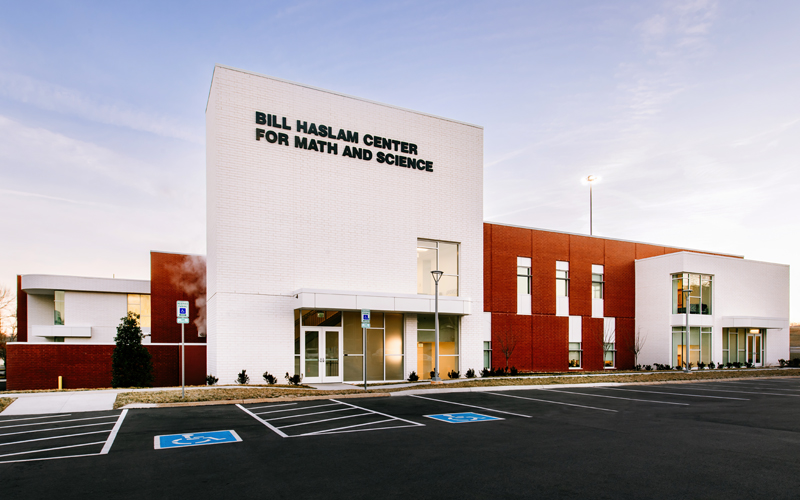
The college has the newly built Bill Haslam Center as well as the Bagwell Center. Furthermore, after the renovations, Lamar Alexander will look newer and be more comfortable to have classes in, so the Hardin Valley Campus won’t need more serious renovations for several years.
“I love the new classroom spaces,” Dr. Wise concludes. “This will allow us to focus on our career immersion efforts, Your Career Made Here, and making students feel like they’ve got great places to learn.”
Renovations Providing Promise
Pellissippi State strives to provide students with environments that will effectively help them grow into their careers. Your Career Made Here is one of the many examples of the college’s goals, a campaign promoting career immersion across all campuses and throughout the community. Building newer and better spaces for classrooms will allow students to continue learning, and the new labs the project provides will give students a more hands-on experience with their classes.
Dr. Wise acknowledges the inconvenience the renovations are causing for classroom and office space, but he explains that the changes will provide faculty with better office spaces to plan lectures and provide students with better classrooms and labs to learn in and be immersed in their major so they will be ready for their professional careers. If there are other concerns with the renovations, the administration is open to finding ways to accommodate students and faculty, so they have the best learning environment possible.
These renovations take time, but students and faculty must trust the process. With all of these new additions, Hardin Valley Campus will be able to further support students, not just now, but by building them up to succeed in their future careers. Everything good comes with change, and for Pellissippi State to grow with its students, it first must change.