By Ash Beach, Business Team Lead
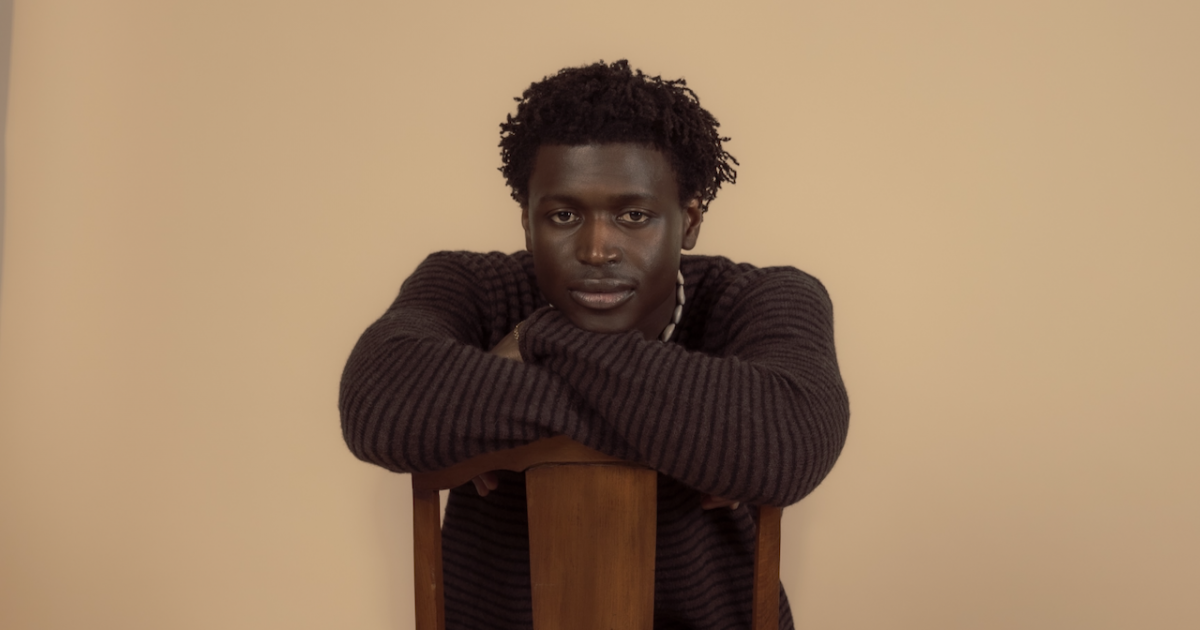
Many artists have shocked the airwaves over the years; however, none quite so much as Mon Rovîa’s album “Bloodline.” The Afro-Appalachian musician started his story in Liberia, where he was born and raised by his grandmother for seven years. He later moved to the United States, where he grew into the amazing artist he is today. This album tells his story, living and witnessing devastation in two seemingly very different places.
“Bloodline” was released on January 9, 2026, with 16 songs that discuss his journey and life in both countries. One song called “Day at the soccer fields” laments how Liberia descends into chaos as child soldiers torment his city. In the song, Mon Rovîa recalls, “AK-40 pointed at my face / These kids came to celebrate / Snakish grins got em / ooh looking devilish / I’m naked like a candlelight / Said a prayer and closed my eyes / Get home alive.”
The yearning for life in these lyrics is powerful, and having to pray for survival from a child murdering other children paints a horrifying image. There’s a feeling of one’s heart breaking when forcing that song to live in the listeners’ minds. In an interview with Mell Robbins on “The Mell Robbins Show” podcast, Mon Rovîa talks about the experience, saying, “[Y]ou’re obeying five-year-olds with AKs and PRGs, you know, like, telling you to get on the ground or we’ll take your sister.”
It doesn’t take a lot of human empathy to understand the horror of the situation, although upon first glance, many Americans may find it hard to believe the situation, or even comprehend this kind of fear. However, for many children, school shootings are the reality they live in. Living with that fear every day when going to class, that this day could be their last. Being able to convey this universal experience of something so horrifying, and yet so relatable, is what makes Mon Rovîa such a masterpiece.
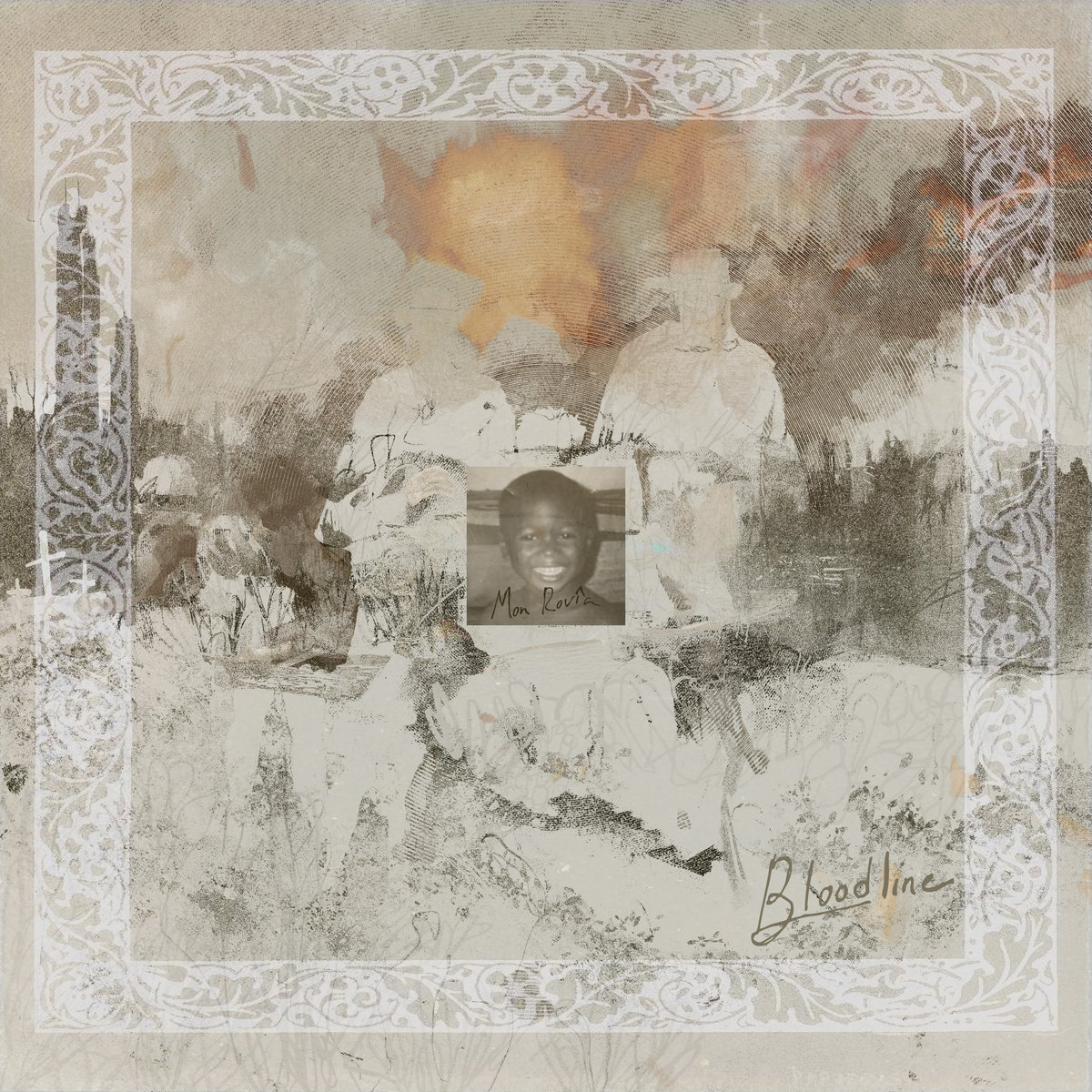
As Mon Rovîa grows up in the United States, he begins to wonder about where he came from and who his birth mother and father are. In “Whose Face Am I,” he explores his emotions by singing, “I been reaching / Through lonely seasons / Trying to give meaning / To phantom feelings / Yearning in my soul / For a name I’ll never know / Hey soldier / What you go see her for.” When unpacking these lines, there’s a sense of understanding: wanting to know something that can never be known.
Mon Rovîa’s father was a soldier who came into his village, raped his mother, and left, never to be seen again. He has to grapple with never knowing who his father is and his mother’s death in childbirth. The loss of not knowing where he came from is felt in the way he sings. He grieves not only for himself and the loss of his parents, but the loss of his history.
That sense of loss is something so many listeners connect with, which is part of the reason the song has become popular, especially on short-form content platforms. It connects with everyone who’s ever wondered who they are and where they belong. His entire album centers around his search for his bloodline, connecting each song to what he knows: Mon Rovîa, the city, and the yearning to understand his identity.
The artist was not always named Mon Rovîa. Born JanJay, he changed his name to remind himself of what he fights for and stands for: Monrovia, the capital of Liberia, where he is from. This simple fact shows that he stands for more than himself; he also stands for his country and the people even in times of chaos. Liberia continues to face turbulent times as the country tries to move forward from the recent dictatorship and civil war, which didn’t end until the early 2000s. Even now, the country still struggles with corruption within its government.
The civil war is a big topic in Mon Rovîa’s album, and listeners can hear the influence, especially earlier in the album with songs like “Day at the soccer fields” and “Pray the Devil back to Hell.” In “Day at the soccer fields,” Mon Rovîa recounts his own experience with child soldiers and how it haunts him to this day.
“Pray the Devil back to Hell” starts with a newscaster talking about the chaos in the city of Monrovia, and repeats the lines, “And so they rise / Dressed in all white / Women have come and carry the light / Love knows no sides / Putting an end to all the fight.” It was during this civil war that women en masse began protests, wearing white and ‘carrying the light’ of peace to Liberia.
Mon Rovîa brings the album to a close with a song titled “Heavy Foot” in which he criticizes the current United States administration. He points out the problem with the current administration, singing, “[D]o you see the man on the screen just a puppet, but you never see the strings callin it a war not a genocide telling us it isn’t what it seems man, that’s a different kind of greed.”
He draws the parallel between politicians and puppets, pointing out that these people who control so much of people’s lives lie about the reality they face. These few lines created an anthem that put the album on the public’s radar, connecting people from all around the globe. Starting the album with the problem in Liberia and ending it with the problems in the United States created this full-circle moment that causes a listener to think about how the two countries are not as disconnected as they may seem.
While the two countries may seem physically and economically distant, they both have major problems, and the album sends a message highlighting those issues and calling for the people to rise against them. The powerful story of Mon Rovîa’s life engages listeners, mirroring his own life with worldwide issues that make his album so relatable. This connection between two places so seemingly different allows listeners to realize that the world is united by loss, and in order to end it, everyone must take a stand against the corruption of those in power.