A collection of stories by Pellissippi State Students of English 1010, Introduction by Anna Matsen Cantrell, Faculty Advisor
Did you know you can donate to Veteran students here at Pellissippi State Community College? As we highlight Veterans Day, we at Imaginary Gardens invite you to join us in recognizing and honoring Veterans’ valiant service by investing in their future through the Veteran Support Fund. Just click the link below, select your donation amount, and designate your contribution to the “Veteran Support Fund.” Imaginary Gardens appreciates your generous support.
Thank you and have a blessed day honoring this nation’s current and retired soldiers,
– Emma G. Harrison, Editor-in-Chief, Imaginary Gardens
Give to the Veteran Support Fund.
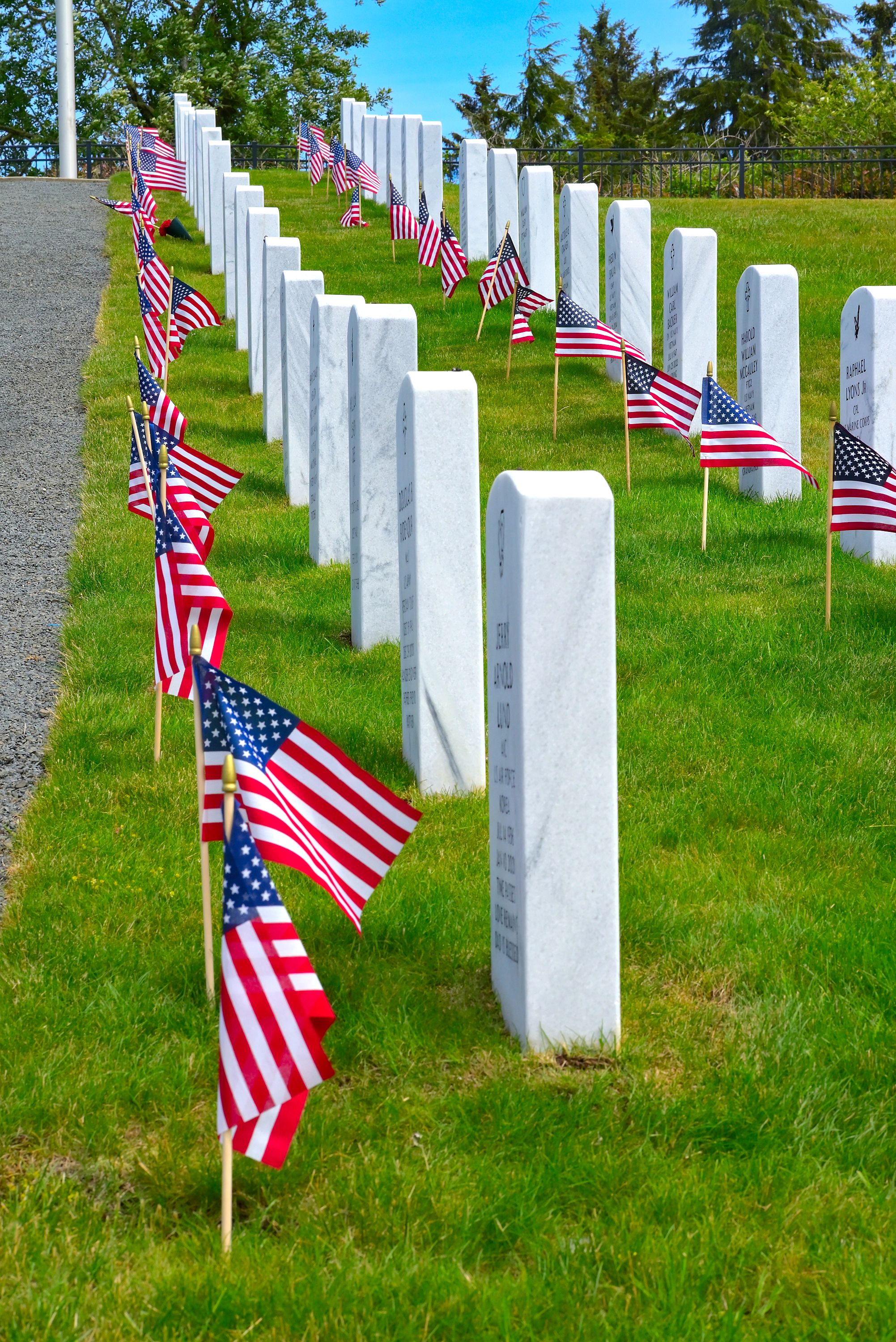
Veterans Day — a holiday celebrated by saluting the American flag during the national anthem, videotaping schoolchildren as they sing long-practiced patriotic tunes, uncounted thanks to veterans for their service by community leaders, and sales for military folk past and present who wish to obtain particular items at discounted prices. All of these elements contribute to keeping veterans at the front of the public’s mind on this day. However, too often these celebrations miss a key opportunity: hearing from veterans themselves about experiences during and after their military service.
My grandfather was a veteran of the Second World War — specifically participating in one of the later waves of the D-Day invasion. When he died several years ago, I realized I’d never had a sit-down, one-on-one conversation with him about his wartime experiences. Though he was generally a quiet man around his grandkids, I am confident that he would have told me about his time in the military if I had approached him with sincerity — even if the official reason had been for a class paper. I regret that missed opportunity. Hence, I thought it might be useful to give students a class-based opportunity to talk to veterans and military members in their lives.
Furthermore, many factors affect the experience of military service itself as well as the public’s response to soldiers returning home. Therefore, truly getting a sense of what it is like to serve requires seeking multiple voices. This is another reason I am pleased to report that three students in my Composition I classes this semester have interviewed people in their lives who have been, or still are, in the military — thereby preserving a small part of the diversity of experiences spanning 1969 to the present. Below is this small sampling of countless important voices that deserve to be heard — especially on Veterans Day.
Robert Bishop, interviewed by Maddox Bishop
MADDOX BISHOP: What branch of the military did you serve in, and why did you choose it?
ROBERT BISHOP: “I served in the United States Army because I was drafted for the Vietnam War. It wasn’t a choice.”
MADDOX: What rank did you reach before leaving the military?
ROBERT: “I reached the rank of Staff Sergeant. This position came with a lot of responsibility because I had to help lead other soldiers and make sure everyone did their job.”
MADDOX: Where were you stationed, and how long did you serve?
ROBERT: “I was stationed at Fort Campbell in Kentucky and spent time in Germany. I served for eight years, from 1969 until 1977.”
MADDOX: What was your most memorable experience while serving?
ROBERT: “One of my most memorable experiences was the friendships I made with other soldiers. We depended on each other with our lives. War back then was a lot more evil than it is now. I’ve seen a lot of stuff that I wouldn’t wish upon my worst enemy.”
MADDOX: How did people treat you after your service was complete?
ROBERT: “When I returned home, life was different. Some people showed respect, while others did not really understand what military members went through. It took time to adjust to everyday life again. When you’re doing the same thing repeatedly for a long time it becomes the only thing you know. Then when it’s over they throw you back into the real world and expect you to be able to withstand those changes but everyone struggles with it.”
MADDOX: What is one thing you wish more people understood about veterans?
ROBERT: “I wish people understood the sacrifices veterans make. Serving in the military means spending time away from family and putting your country before yourself. Veterans deserve respect and appreciation. Although I don’t think a lot of us get the respect we deserve. Even now I would say there’s a lot of people who don’t even support our military. I get not supporting war, but those young men on the battlefield deserve protection and support.”
Scott Capps, interviewed by Charlotte Capps
CHARLOTTE CAPPS: What military branch did you serve in, and why that one?
SCOTT CAPPS: “The United States Army… because I wanted to be in the infantry; particularly, I wanted to be a Ranger.”
CHARLOTTE: What rank were you in that military branch before you retired from service?
SCOTT: “E-4.” Specifically, he served in the 75th Ranger Regiment, 20th Special Forces 1994-1998, 2004-2007.
CHARLOTTE: Can you describe how people treated you after your service was complete?
SCOTT: “After my service was complete, I got more respect, particularly compared to other people my age who didn’t serve.”
CHARLOTTE: Is there any particular way that you wish you had been treated differently as a veteran?
SCOTT: “No, I believe I was treated very well, especially compared to my peers who had not gone into the military.”
CHARLOTTE: How do you feel when people thank you for your service?
SCOTT: “I appreciate it.”
CHARLOTTE: Do you prefer a particular phrasing or method of thanks?
SCOTT: “No, not really. I don’t think it’s obligatory. I don’t have any expectations that anyone will say anything, but I do appreciate it.”
CHARLOTTE: What is one thing you wish more people would do to support veterans?
SCOTT: “I honestly believe people do a very good job, especially compared to when my dad served during the Vietnam era.”
CHARLOTTE: How would you like people to spend Veterans Day?
SCOTT: “I wish people understood American history and the sacrifices of the soldiers and military of the past so they could have a better understanding about the significance of their sacrifices, especially on Veterans Day.”
CHARLOTTE: Is there a particular work that you feel speaks especially to your military experiences or your time as a veteran — whether that work is non-fiction, fiction, poetry, film, etc.? If so, what resonates with you about that work?
SCOTT: Rudyard Kipling’s “Tommy”, “Mainly the representation of the Vietnam era; it’s not super applicable to me, but I believe it’s a great representation of the time.”
Joshua Holloway, interviewed by Olyvia Holloway
OLYVIA HOLLOWAY: What military branch did you serve in, and why that one? What rank were you in that military branch before you retired from service? Is there anything you’d like to say about people who serve at that rank or in that branch?
JOSHUA HOLLOWAY: “I serve in the United States Army. When my daughters were really young, I was working 14-hour days in the factories, so I would only get about 30 minutes with my children every day of the week. My brother was in the service, and seeing what his life looked like, with him in the military and having time for his kids, I thought I should be able to do the same. I am currently an E7, or Sergeant First Class, and I’m planning on doing my full 20 years, which would put me on track to retire in November of 2030. It took me 16 years to get here, and within my experience, very few people actually make it this far. So if I could say anything to the people within my rank, it would be: Thank you for your service and thank you for all of the mentorship and guidance that you give younger soldiers.”
OLYVIA: Did you volunteer or were you drafted? Were the people you served with mostly volunteers or draftees? How did being a volunteer/draftee into the service affect your military experience, or those you served with?
JOSHUA: “I volunteered. I was 32 years old when I joined the military and had been working in factories my whole life, so standing on those concrete floors was starting to get to me. I figured the military had to be a bit better way of life. Everyone I served with volunteers. This definitely opened my eyes to many different cultures and the way people live other than just in the South.”
OLYVIA: Where were you stationed during your service? What do you wish more people knew about the experiences military members had while serving there?
JOSHUA: “I started my career at Fort Jackson, South Carolina and then went to Fort Lee, Virginia. From Fort Lee, I went to Fort Carson, Colorado, where I had my first combat deployment. After Fort Carson, we moved down to Fort Campbell, Kentucky, which was the best unit that I have ever been a part of. From Fort Campbell, I PCS’d to Fort Hood, Texas. After my time in Fort Hood, I received orders to go back to Fort Carson, Colorado, and from Fort Carson, I am officially back at Fort Campbell, where we have been for the past six years. In January of 2027, we will be PCSing back to Fort Lee, where it all started. Now I will be teaching soldiers what they taught me at the very beginning of my career.”
OLYVIA: Are there any particular experiences or stories from that time that you’d like to share?
JOSHUA: “I have one that comes to mind. After I had come back from Germany on a rotation, I moved up to the operations level and I began the Master Gunner for the battalion and the Ground Master Gunner for the brigade. During that time, we did a lot of gunnery and I was in charge of planning, building all of the targets, setting up the targetry, etc. One of our Bravo gun teams had hit all ten stations, doing pretty good with their scores. At the end of the range, a senior NCO clears them off the range, making sure everything is safe. So in the tower, we see a soldier nearly fall out of the gun truck, and he takes off running. He’s stripping down, taking off all of his clothes while running, and it turns out he was on his way to the portajawns. A little bit later that day, we got the story that he didn’t quite make it in time. That will be a story I hold onto just because of the commercial feature to it.”
OLYVIA: How do you feel when people thank you for your service? What is one thing you wish more people would do to support veterans? How would you like people to spend Veterans Day?
JOSHUA: “It makes me feel awkward and uncomfortable when people thank me for my service. I have no idea how to answer them, because to me, being in the military is just a job to take care of my family. I think more people should understand that we are just everyday people that get up, go to work, and come home to our families. Our lives aren’t necessarily all about the military while we are serving. To celebrate Veterans Day, I think you should do what you want to do and celebrate all the soldiers that went to war and not come home by remembering them.”
OLYVIA: Is there a particular work or experience that you feel speaks especially to your time in the military?
JOSHUA: “I think my time in factories, previous to joining the military, helped aid my adjustment to military life. I think because I always had supervisors and ‘plant managers,’ which helped me adjust to the chain of command routine. I grew up in southern Tennessee, so I like to go deer hunting, and I like to shoot with my dad and everything, so that part of the military has always been really fun to me.”
To everyone with a veteran or active military member in their life — please show them the respect of asking about their service and listening attentively to their experiences. There is no replacement for learning their real-life experiences or for taking to heart all that they’re willing to share.