
By Rebecka Jones, Staff Writer
As the temperature outside finally starts to cool down and the air gets drier, we need to maintain our health more than ever to avoid getting sick and spreading our sickness to others. November is when flu season typically begins, though it doesn’t peak until December, according to the Centers for Disease Control and Prevention (CDC). Even so, there are health tips you should consider to strengthen your body’s immunity before flu season hits and stop the spread of the flu and other sicknesses when you are sick.
Tip #1: Social Distancing
Practicing social distancing, the act of remaining at least six feet apart from one another, should not be used only for COVID-19, but for any sickness that could be contagious, including colds and the flu. If you know someone is sick, or notice them sneezing and coughing repeatedly throughout the course of a day, distance yourself from them. When people sneeze and cough, they produce thousands of particles that transmit influenza; however, these particles can only travel up to six feet, which is why social distancing requires six feet of space.
People aren’t infected by breathing in these particles, but they can get sick from particles getting into any mucosal surface—eyes, mouth, or nose, as noted by the Fred Hutch Cancer Center. Therefore, being in close contact with someone releasing these particles gives you a higher chance of getting sick.
If you are the one sneezing or coughing, remember to cover your face when you do and to wear masks to protect yourself and those around you. Additionally, you should strongly encourage those around you to do the same if they are sick.
Tip #2: Face Coverings
When someone sneezes or coughs, they propel small germ particles as far as twenty-six feet, according to Cleveland Clinic. To avoid these particles traveling to others when you sneeze or cough, cover your nose and mouth with your hands, elbow, or a tissue. Some particles might still travel, but at least you are limiting the amount of germs that are spreading.
Moreover, masks act as barriers for droplets and small particles that are released through exhaling, talking, singing, and many other ways. What you release will stay trapped within your mask, while what others release in your direction will stick to the outside of your mask. While these masks may not be entirely effective, research by Cleveland Clinic states that high-quality masks can help prevent the spread of respiratory infections such as the flu, respiratory syncytial virus (RSV), COVID-19, and a common cold.
Although masks can keep germ particles from traveling to people, some particles can travel onto surfaces you touch; then you may touch your face and get sick.
Tip #3: Clean Your Hands & Used Surfaces
Droplets can get onto surfaces such as door handles, tables, and railings, which are places we touch a lot in public. Those particles will then get onto your hands, and, when you touch your face, those germs get into mucosal surfaces and get you sick. To avoid this, make it a habit to wash your hands often and wipe down public surfaces or surfaces you use a lot in your home before you use them.
The CDC lists key times we should wash our hands because these are the instances when we are likely to spread germs the most:
- Before, during, and after preparing food
- Before and after eating food
- Before and after caring for someone at home who is sick with vomiting or diarrhea
- Before and after treating a cut or wound
- After using the toilet
- After changing diapers or cleaning up a child who has used the toilet
- After blowing your nose, coughing, or sneezing
- After touching an animal, animal feed, or animal waste
- After handling pet food or pet treats
After touching garbage, washing your hands is easy and will limit the spread of sickness, so follow these steps the CDC lists to effectively clean your hands of germs:
- Wet your hands with clean, running water (warm or cold) and apply soap.
- Rub your hands together with the soap and make sure to get the backs of your hands, between your fingers, and under your nails.
- Keep doing this for at least 20 seconds.
- Rinse your hands well under clean, running water.
Knowing how to wash your hands may sound like a no-brainer, but we need to make sure we are properly washing our hands so no germs that could get onto people and surfaces remain. However, if you do not have access to clean water and soap, you can use alcohol-based hand sanitizer that contains at least 60% alcohol (check the label to verify) to kill germs.
You should also make sure you are cleaning surfaces in your home and surfaces you use a lot in public places. The CDC offers tips on how to safely clean and sanitize surfaces in your home:
When cleaning hard surfaces, including counters, hard toys, light switches, and floors, use soap and water or cleaning products appropriate for use on the surface. You may want to use Mr. Clean All-Purpose Cleaner or Clorox Free & Clear Multi-Surface Spray for countertops and appliances. For hard floors, you can use Bona Hard Surface Floor Cleaner or Mop & Glo Triple Action Floor Cleaner.
On the other hand, soft surfaces like carpets, rugs, and drapes should be cleaned with appropriate cleaning products. You can use vacuums to remove dust, hair, and dander from carpets and rugs. The Bissell Little Green Portable Carpet Cleaner can be used on soft surfaces to deeply clean and suck up grime and stains. The CDC recommends laundering items if possible, depending on the manufacturer’s instructions.
Make sure you are laundering clothing, towels, cloth toys, and linens, as well. Use detergent and the recommended water temperature based on item labels, and dry items completely. Clean hampers and laundry baskets according to guidance for surfaces, and wash your hands after handling dirty laundry. Additionally, the CDC states that it is safe to wash dirty laundry from a sick person with other people’s laundry.
Lastly, the CDC recommends cleaning electronics, including phones, tablets, touch screens, keyboards, and remote controls. You can put wipeable covers on electronics to make cleaning and disinfecting easier, but make sure to follow the manufacturer’s instructions and recommendations for cleaning in the electronic manual.
You should also consider sanitizing surfaces after excessive use to kill germs that may not have been removed from initial cleaning. Nonporous objects, including certain toys and infant feeding items, can be sanitized through boiling, steaming, or using a weaker bleach solution. Dishwashing with a sanitation cycle can be used for certain items, but make sure to check the item labels first. Hard surfaces can be sanitized with hot, soapy water and a homemade bleach solution or sanitizing products such as Zogics Hypochlorous Acid Ready-to-Use Surface Disinfectant or Clorox Anywhere Hard Surface Sanitizing Spray.
You may not have access to all these materials when you’re in a public place, but you can still use wet wipes to clean the surface you’re about to use to kill any germs remaining from the last person. Also, use hand sanitizer on your hands before and after you use the public surface so you don’t spread your own germs onto the surface and any other surface you use after that.
Tip #4: Take Supplements & Remedies
You can also decrease your chances of getting sick by taking certain vitamins, minerals, and natural foods and drinks. Ingesting supplements and remedies can boost your immune system so it is strong enough to fight against harsher strains of illnesses. In fact, the CDC recommends five vitamins and minerals to take.
Vitamin A strengthens your white blood cells and the mucus membrane, the protective linings that remove foreign particles, in your urinary tract, intestines, and lungs. Good sources of this vitamin include milk, yogurt, eggs, fatty fish (like salmon and mackerel), and vegetables (like sweet potatoes, carrots, spinach, and broccoli).
Another beneficial vitamin is B6, which produces white blood cells and T cells that help fight off invaders such as viruses and bacteria. Sources of vitamin B6 include chickpeas, beef, salmon, tuna, and tofu.
One of the best vitamins to boost your immune system is vitamin C because it acts as an antioxidant, meaning it can protect your body from inflammatory toxins. You should be getting a daily intake of this vitamin because our body doesn’t produce it on its own and doesn’t store it for later. Therefore, eat foods that are rich in vitamin C, including bell peppers, citrus fruits, and kale.
Vitamin D promotes healing, and it can delay a virus’s ability to replicate, reduce inflammation, and increase the amount of T cells in your body. Foods that have this vitamin are fatty fish, canned fish (like sardines and tuna), egg yolks, mushrooms, and fortified orange juice.
The last vitamin that the CDC lists is vitamin E, which is a powerful antioxidant that helps your body fight infections. This vitamin is one of the most effective nutrients for your immune system because it keeps your T cells at peak performance. Foods that contain vitamin E include sunflower seeds, almonds, broccoli, and avocado.
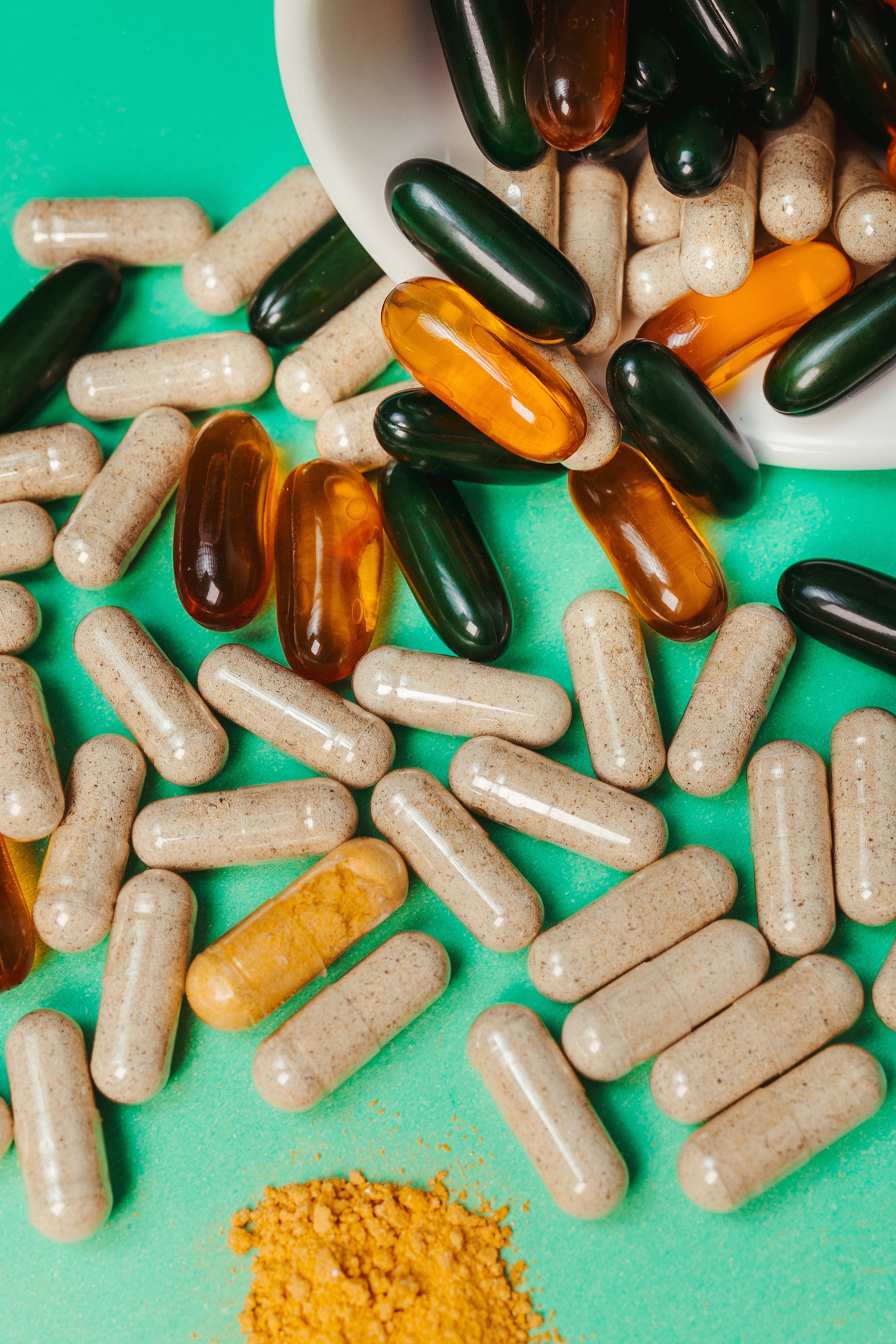
Zinc is anti-inflammatory and an antioxidant. This supplement is responsible for making all your immune cells function correctly. Foods with zinc include oysters, lean cuts of beef, pumpkin seeds, and turkey breast.
Lastly, the CDC recommends selenium to stay healthy. It activates your immune system when there’s a threat, and it protects your immune system from chronic inflammation and autoimmune diseases, including rheumatoid arthritis, Crohn’s disease, and psoriasis. Brazil nuts, tuna, halibut, and cottage cheese are all good sources of selenium.
Moreover, make sure you are drinking the necessary amount of water per day. According to the Mayo Clinic, you should be drinking about 11.5 cups (2.7 liters) to 15.5 cups (3.7 liters) a day, which can include fluids that contain water such as fruity juices or herbal teas. Water may not entirely prevent you from getting sick, but it can strengthen your immune system and help your body heal faster when you are sick.
Culligan water experts list four ways that water helps boost your immune system. The first way is that water improves hydration. Staying hydrated is important for improving sleep, mood, organ health, and joint comfort. The symptoms you get when you’re sick, such as an upset stomach, fever, or runny nose, can be a result of dehydration, so make sure you are getting your daily intake of water. Furthermore, drinking plenty of water moistens your mucous membranes in your nose, so it keeps bacteria from reaching other body systems. Water also enables your white blood cells to make antibodies and attack invaders. Lastly, water helps regulate your body temperature so fevers are more manageable.
Tip #5: Stay Home & Rest!
The last tip is the simplest, but it may be hard to follow: if you’re sick or feel like you’re getting sick, just stay home and allow your body to rest! It may be difficult to stay home and miss classes because homework piles up, but your health is much more important, and it’s better to stay home than be in public where you could get others sick. Additionally, you can easily communicate with your professor about adjusting assignment deadlines or providing accommodations for missed work. We are fortunate to be at a community college where getting in contact with professors is easier in a smaller classroom setting, versus being at a university where it’s hard to speak to your professors in a classroom of several hundred students.
Sleeping and resting while you’re sick is important because it allows your body to repair itself and strengthens your immune system. According to the online health website, HealthLine, the protein called cytokines is produced and released when you sleep, and it helps your immune system target infections. Furthermore, sleeping with a fever stimulates the fever to correctly fight infections. You also give your immune system more energy to fight the sickness when you sleep because your energy isn’t being used to think and walk around as it would if you were awake.
It may be boring to just sit around and sleep all day when you’re sick, but there are some low-energy activities you can do to entertain yourself while still allowing your body to rest.
Listening to audiobooks, podcasts, and music are good ways to relax your mind from hard thinking while giving you something light to think about. You can also find a good book to read so you can explore a world of characters and adventures that works your imagination and still allows you to relax your mind. Playing video games or board games also requires low energy, so you can have fun with that without having to do much physical activity.
Lastly, you can watch movies and shows! The staff at Imaginary Gardens have listed several bingeable watches for you:
- Below: a Netflix supernatural thriller and monster-horror with only six episodes.
- North of North: a Netflix Canadian comedy series with two seasons.
- SpongeBob SquarePants: no explanation needed.
- The Great British Bake Off: a popular British reality competition show that can be found on Netflix, The Roku Channel, and Prime Video.
- The Chestnut Man: a Netflix dark Nordic noir crime drama series.
- Yellowjackets: a psychological thriller and survival series, found on Netflix, Paramount, and Prime Video.
- How I Met Your Mother: an American sitcom that can be found on Hulu, Disney+, and Prime Video.
- The Breakfast Club: a 1985 American coming-of-age comedy-drama film that can be watched on YouTube for free, Prime Video, and Apple TV.
- Bridgerton: a Netflix romance-drama series taking place during the American Regency era.
- White Chicks: an American comedy film available on Netflix, YouTube, and Prime Video.
Of course, there are thousands of movies and shows to choose from, so take your best pick! All of these activities require little to no physical activity, so your body is still getting the rest and recovery it needs. Sickness is never fun, but you can find ways to get your mind off of it and enjoy the little pleasures of life.

Fight Off Sickness!
There are many ways we can stay healthy and lower our chances of getting sick as we move into the peak of flu season. It may sound like a lot of steps, but all you really need to do is be aware of your surroundings and clean up before and after yourself. If you or someone else is sick, keep your distance and keep your germs away from others. Clean and disinfect surfaces you use, as well as wash your hands multiple times a day. You should also be eating foods with supplements that will boost your immune system, and make sure you are getting the rest you need even when you aren’t sick.
Keeping these tips in mind will limit the amount of germs spread and keep our bodies strong and ready to combat illnesses that may arise. Make smart choices at home and in public so we can all be fighters of sickness!