By Bryanna Hulsey, Special to the Journal
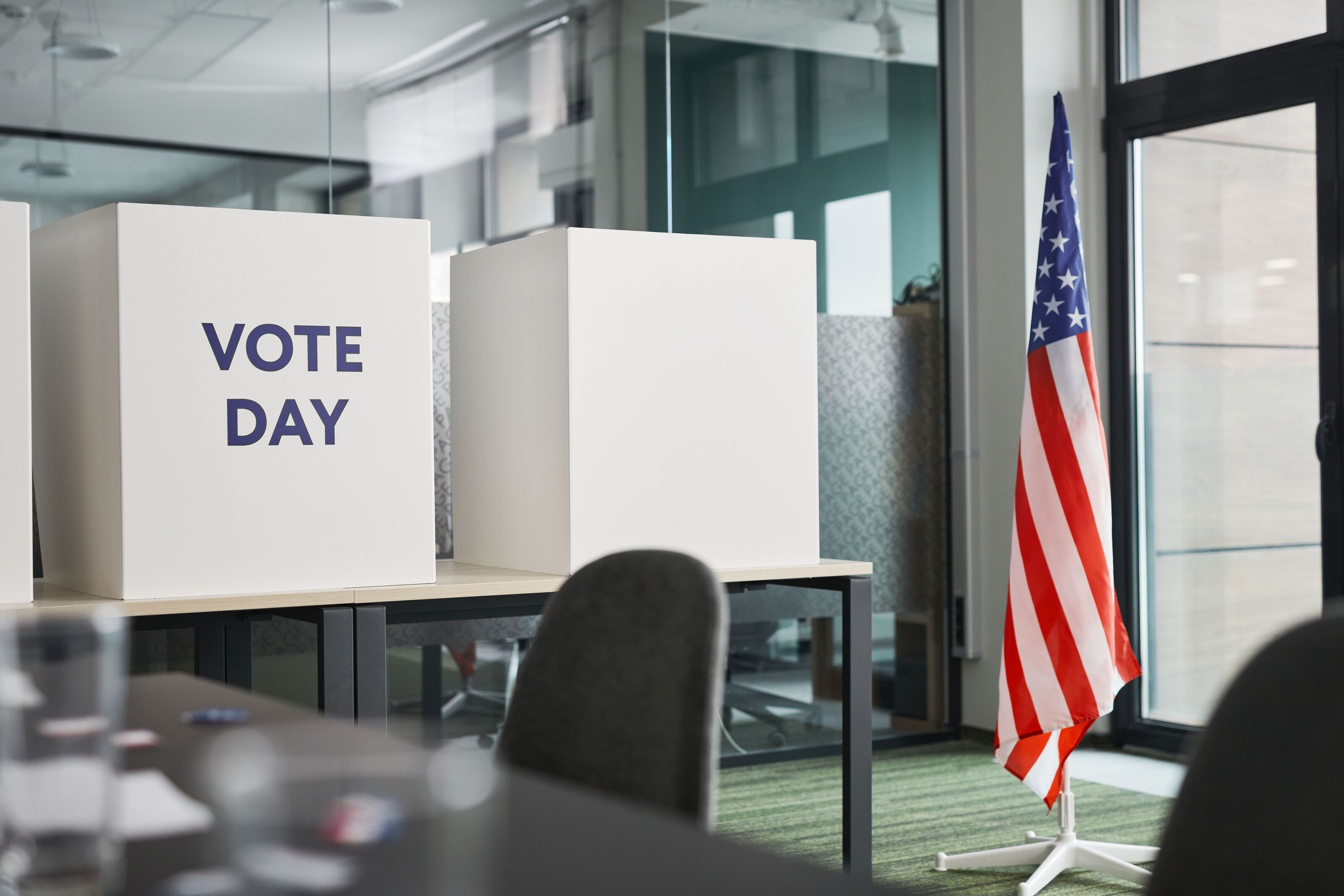
The Blue Wave, Blue-nami, even Blue-clear Bomb — all are titles the public has bestowed upon the November 2026 midterms. Whether Democrat, Republican, or Independent, there is no denying the historic events that took place. People showed up in monumental numbers around the country to cast their votes. Across the two-week early voting period alone, an increase of 45% more voters cast early ballots than in the 2022 midterms. At the time of writing this, the 2026 midterms are the second-largest midterm voter turnout since 1914 (only exceeded by the 2018 midterms), with some states even breaking records for the number of attendees. Amongst the plethora of reasons that took voters to the polls, the presence of new eligible voters had a huge impact on the results. Those who previously had no say finally had the chance to vote in arguably one of the most important midterm elections in decades.
As voting day drew closer and closer, people looked towards the nominees that focused on their growing concerns in the US. Among these concerns were the war in Iran, which hiked up gas prices to the point that drivers had to cancel plans due to gasoline usage; Immigration and Customs Enforcement (ICE) raids in various towns, which resulted in peril and deaths; the refusal to release all of the Epstein files, and the harassment of survivors that followed upon “accidental” leaks; Flock cameras made appearances across multiple street corners; data centers operated loudly while stealing water and electricity. These are just a few of the most pressing reasons voters saw these midterms as opportunities to be taken seriously. Marches and rallies were paused, but the call to action never ceased — the time to be heard had arrived.
I took the opportunity to speak with student voters to get their opinion on this election. I had expected some to be blue, maybe with one independent in the group. However, when speaking with students, I discovered that each one I talked to already had values aligned with Democrats. Recent political, economic, internal, and international changes in the government weren’t why they had voted blue. In a state as red as rubies, these students were voting blue.
One student was kind enough to offer some of their personal experiences during the Trump administration. Coming from a family of immigrants, ICE was their biggest concern when preparing for the polls. “We know of so many people who have been taken. Good people who just try to make an honest living,” they told me. These were individuals known by the students’ families. No criminal record, no violent offences, only people with families who were just trying to get by. Regardless of their documentation, ICE’s racial discrimination became a large factor in who people planned to vote for.
Another concern brought up was the safety of queer individuals. One student voter expressed their concern over anti-LGBTQ+ actions and legislation. While that fear is backed by a brutal history of queerphobia, the South as a whole made surprisingly progressive steps in this election. Democrat Bentley Hudgins made history as Georgia’s first openly trans and non-binary lawmaker. Ann Johnson will be the first openly lesbian to represent Houston’s 134th District. Even Alabama voted in a transgender woman named Allison Montgomery to represent Alabama’s District 25. This is just a few of the people in the queer community who have earned themselves a place in America’s government. These states focusing on what someone stands for rather than who they love and how they identify could spell a more inclusive future for the South.
Though students were overall disheartened that Tennessee didn’t flip any Senate or House seats, there were counties which had previously been red-swing-blue. Five counties — Madison County, Montgomery County, Hamilton County, Knox County and Rutherford County — all changed from Republican to Democrat. In total, that now makes eight counties completely blue, and others leaning further away from a history of voting red. If you ever feel like your vote doesn’t matter, look back on these midterms. Your vote does matter, even if the voting booths can make you feel small.
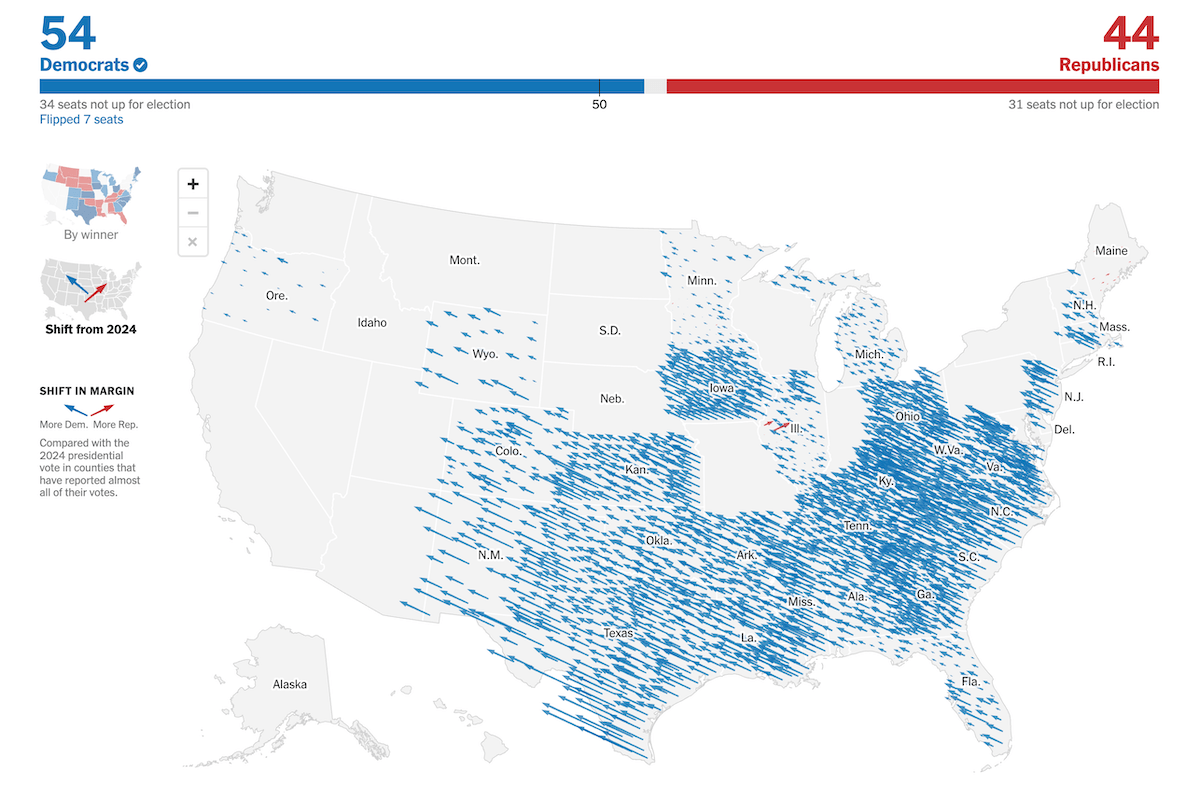
Despite Tennessee not joining the wave, seeing deep red states like Texas and Mississippi prepare for change offers us a glance into what our country could be shifting towards. Gen Z voters have proven to vote Democrat over Republican in this race. They are ready for change, for every voice, no matter how small, to be listened to. Our country is truly starting to search for an end to discrimination over race, religion, disability, gender, and sexuality. The cry for “Liberty and justice for all” to include every corner of America is here, and it isn’t getting quieter.