The act of watching horror movies has been something I’ve held close to my heart for most of my life. It started with sneaking the gory ones behind my parents’ backs as a kid – while my friends were playing ultraviolent games like Mortal Kombat or Happy Wheels, I was watching YouTube clips from Saw and Final Destination… and also playing those games.
As I grew up, my obsession became a test of mettle against the “scariest movies” around. I still remember being absolutely terrified of movies like The Sixth Sense and The Conjuring 2, and having to lock in when I watched The Walking Dead and saw a glimpse at how intricate practical gore could be. Now, as an adult, I’ve found them to be one of the most all-encompassing forms of visual art; horror movies can be darkly funny, action-packed, deeply introspective, practically creative, emotionally resonant, or just a plain good time.
It will forever be interesting to me how writers, directors, and art designers use our inherent terrors as a tool for storytelling, as they utilize cinematography, writing, and creature design together to bring their vision to life. From classic shots like the head-spinning scene in The Exorcist to enduring creature designs like Godzilla, and unforgettable performances like Doug Bradley’s Pinhead in Hellraiser, there has never been a shortage of creativity in the horror sphere.
That ever-flowing creativity comes from horror’s main objective: to invoke fear. What scares us – “us” being our larger society at any point in time – is constantly changing, as current events and shared experiences lead us to focus on new fears and disregard old ones as we grow out of them. For most, the things that terrified us as children seem like nothing to us now, because we’ve come to terms with those fears one way or another. We continue to do so as we confront our fears, thus horror must continue to find ways to bring those terrors to us in new and unique ways or to reinvent old tropes into something that will continue to disturb us.
The Mission
After being talked into downloading Letterboxd – an app made to track movies watched and review them for the world to see – I decided I’d watch a total of 666 horror films because why not? At that time, which was somewhere around 2021, I’d only seen about 160 horror films. Now, after nearly five years, I’ve not only reached the goal, but surpassed it. For those wondering, the grind isn’t over: I’m going for 999 next.
In this first article, I’ll be discussing an overview of the films that stood out to me the most from the first 222 entries on the list, which I’ve formatted in release order. Over the next couple of weeks, I’ll cover the highlights of all 666, giving you the highs and lows and what I’d recommend most out of each bunch.
Get the List
Interested in seeing the list of Draven’s 666 films?
Since I’m covering so much ground in each article, I’ll be giving a top three for each category – mainly so that I don’t leave too many great options out. This first section covers over a century of horror films from 1898’s The Astronomer’s Dream to 2004’s Shaun of the Dead, meaning this entry will certainly be the most diverse, as I’ve seen way more horror films from the last few decades compared to the ones that came before.
The Least Scary of the Bunch
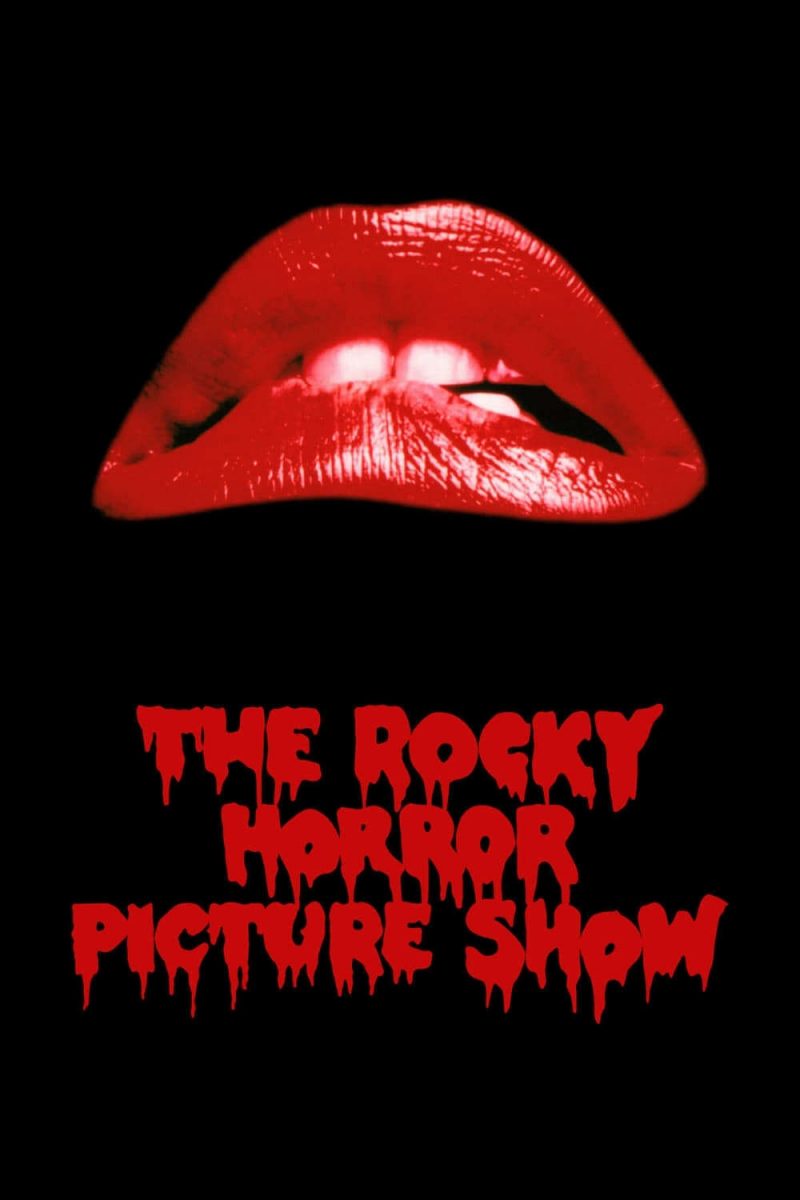
Featuring the iconic red lips from the opening credits of the film, this shot has become widely known worldwide. | 20th Century Fox
The Rocky Horror Picture Show (1975)
Like the others in this category, this classic was not meant to be scary at all, instead using the horror genre as a basis for a musical focusing on punk and LGBTQ+ culture of the 1970s. It’s still to this day one of my favorite films of all time and one of the biggest “cult classic” films ever made, spawning an entire cultural movement around the film and the work it was based on. Originally a musical stage-play titled The Rocky Horror Show, the film follows two newlyweds who mysteriously break down in the woods near the creepy mansion owned by the eccentric transvestite, Dr. Frank-N-Furter.
What I love about this film is its unabashed whimsy and deep cultural references, backed by a classic soundtrack inspired by 70s punk rock and musical classics of the time. It’s a great watch if you aren’t interested in something scary, but still want that spooky classic-horror undertone.
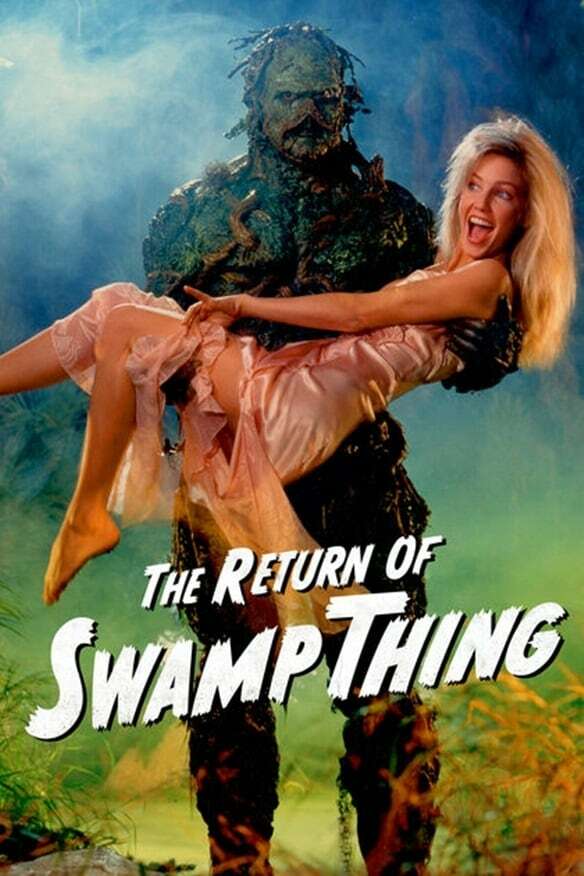
Starring Heather Locklear as the “damsel in distress” throughout the film, the poster heavily relied on her popularity to sell the movie. | Millimeter Films
The Return of Swamp Thing (1989)
Based on the DC Comics character Swamp Thing, this sequel to horror icon Wes Craven’s 1982 film adaptation of the character goes full camp and has some of the funniest B-movie horror scenes I’ve seen from the 80s. Completely doing away with the inherent tragedy in Swamp Thing’s character, he’s instead a zany hero somewhat akin to Adam West’s Batman from the 1960s, battling swamp monsters and saving a new romantic interest… I guess the other relationship the first movie was built around didn’t work out.
A favorite moment of mine is when our hero throws a monster into the swamp water and the creature explodes instantaneously. While I can’t really say it’s a good movie and I definitely can’t say it’s in any way scary, it’s one I still think fondly of in retrospect.
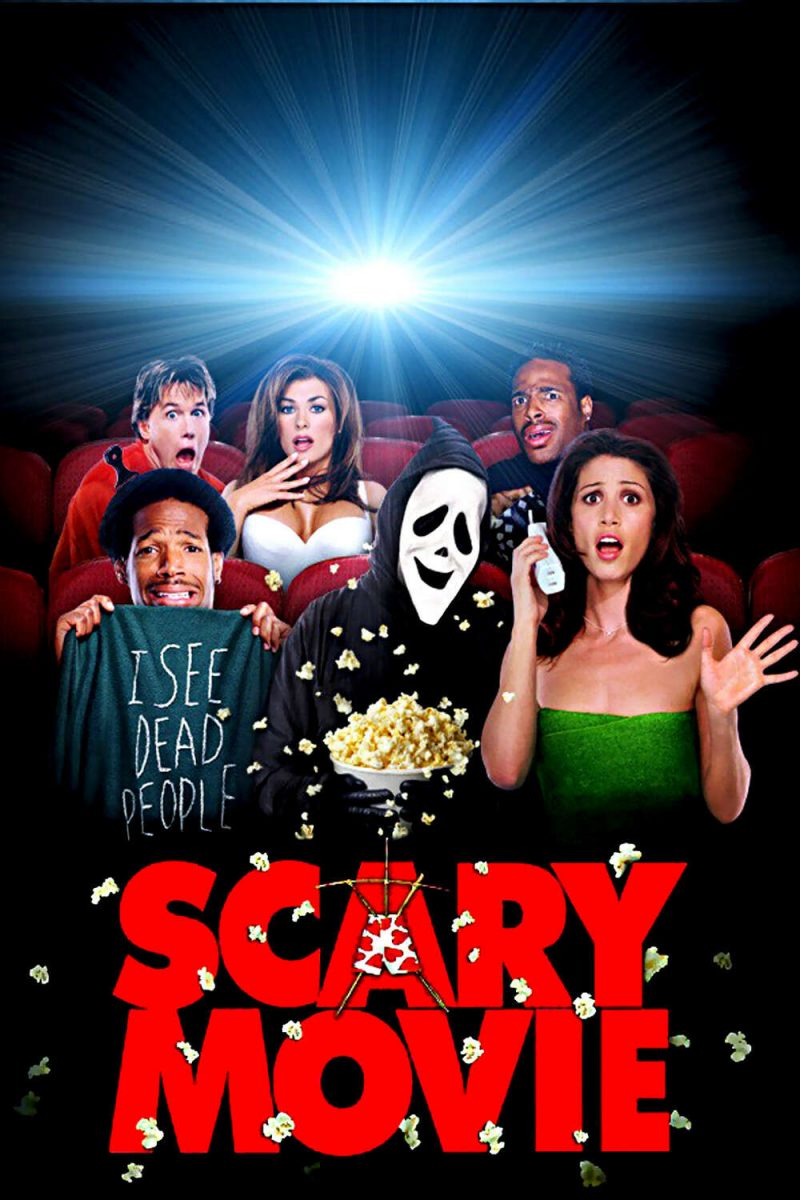
Just in the poster there are parodies of multiple horror films, including The Sixth Sense, Scream, and The Blair Witch Project. | Dimension Films
Scary Movie (2000)
I could pick any movie from this franchise, but I figured I’d go with the one I’d seen the most! Unabashedly spoofing popular horror films of the 90s like Scream and I Know What You Did Last Summer, this classic horror-comedy film combines meta-comedy with adult humor, written and directed by the incredibly talented Wayan brothers. The more 90s horror films you’ve seen, the better this one is – but, even if you haven’t seen any, it’s still a blast, complete with an end battle heavily inspired by The Matrix.
It’s zany and fun, completely undermining any potentially scary moments with comedy, which is the point, of course. If you’re looking for a horror movie but are in the mood for a hilarious adult comedy, this is a good one to throw on.
The Scariest
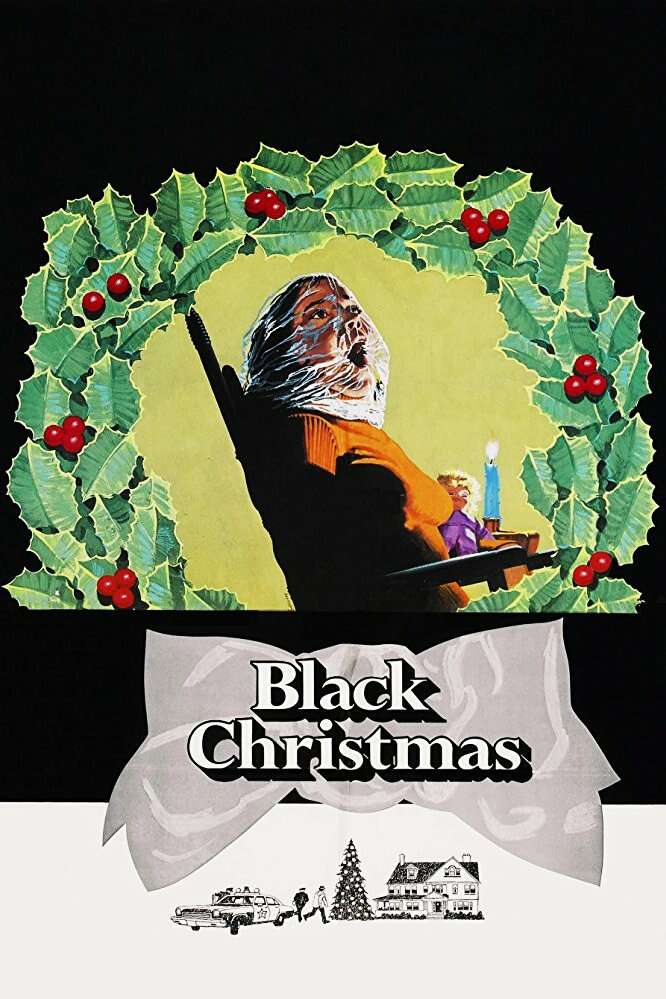
Featuring the first death scene in the film, this shot has become one of the most iconic in slasher history, even recently being parodied in Terrifier 3. | Warner Bros. Pictures
Black Christmas (1974)
Perhaps my favorite horror film of all time, the original Black Christmas film is everything John Carpenter’s Halloween wishes it could be. Directed by Bob Clark – the same guy who directed A Christmas Story nearly a decade later – we’re given one of the greatest original slasher films of all time, complete with feminist undertones practically unheard of in the genre until the 21st century.
With some of the creepiest shots of all time, and a great, twisting plot as the targeted sorority girls attempt to find out who the killer is, I honestly can’t recommend this film enough to horror fans. When I watched it for the first time, in the middle of the dark and alone, the end credits actually creeped the hell out of me, which is something I can rarely say about any horror movie, period, let alone one over 50 years old.
It’s also a progenitor for the 80s classic Silent Night, Deadly Night, another of my favorite holiday-horror films, so that’s fun too.
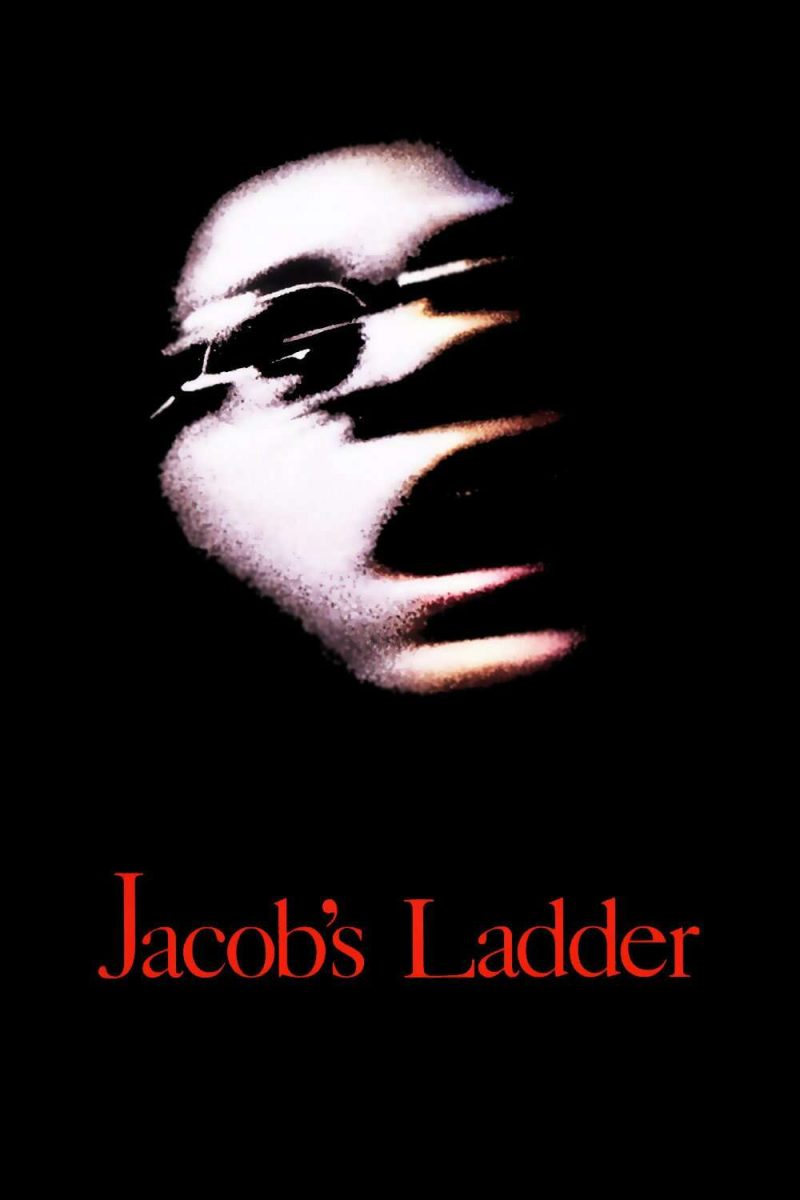
An adequately surreal poster, featuring Jacob fading into the background… it’s reminiscent of the mental breakdown scene in 2001: A Space Odyssey. | Tri-Star Pictures
Jacob’s Ladder (1990)
Another movie that truly scared me the first time I watched it, Jacob’s Ladder is an often-forgotten psychological thriller/horror film that has a lot to say about PTSD, the Vietnam War, and how veterans are treated, all backed by religious horror undertones, which I’m admittedly a huge sucker for. Starring Tim Robbins and, surprisingly, Macaulay Culkin just before his fame in Home Alone (released later the same year), the surrealist visuals and themes in this movie are so interesting and effective, as the plot is continuously twisting to keep you from ever knowing for certain what is happening.
One shot that particularly terrified me was when a demonic character turned and stared at the camera while screaming – I don’t get scared like that often, but I actually turned off the TV when it happened because it frightened me so much. If you’re interested in filmmakers like David Lynch but want a story that’s a little bit easier to follow than his work, this is a great choice.
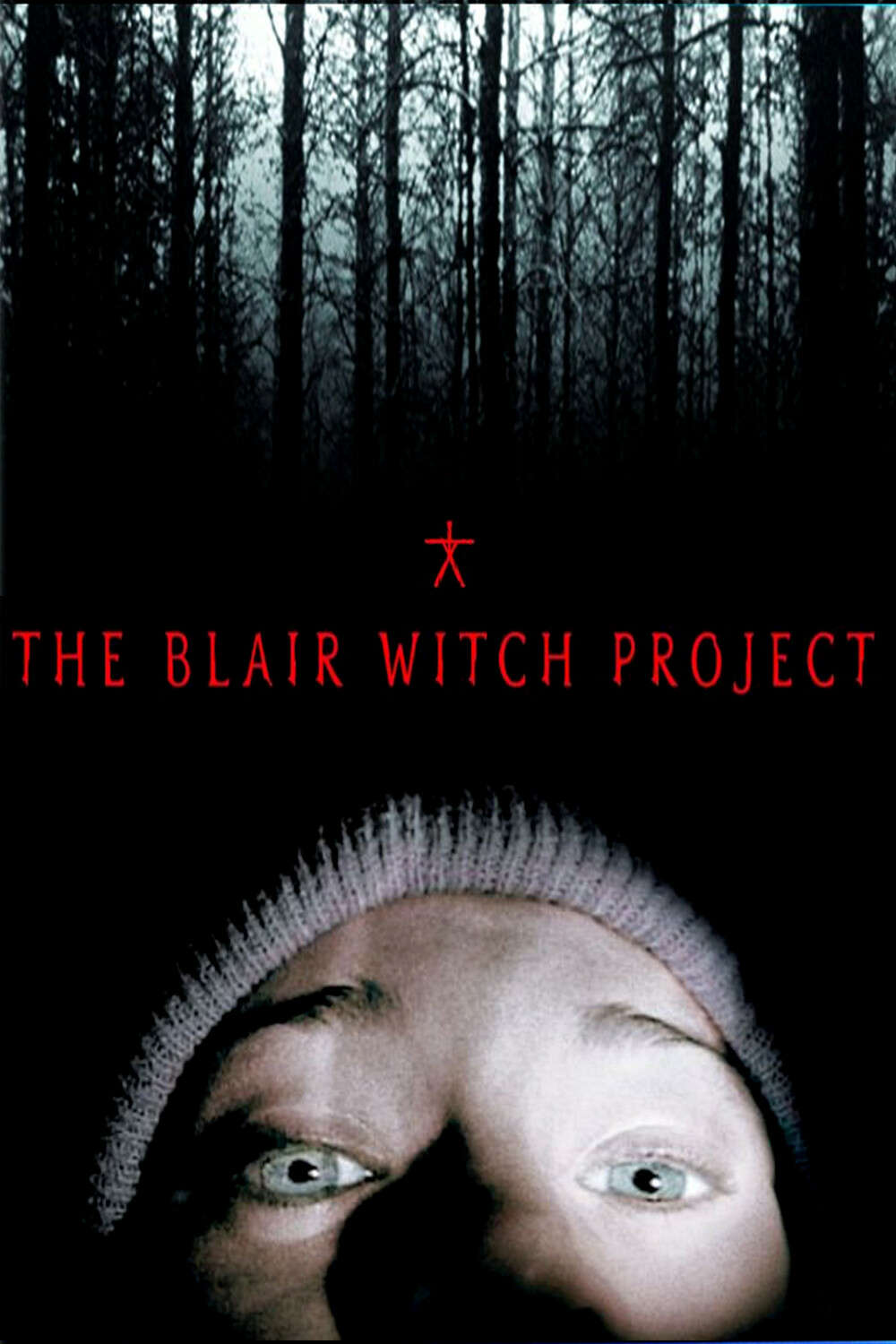
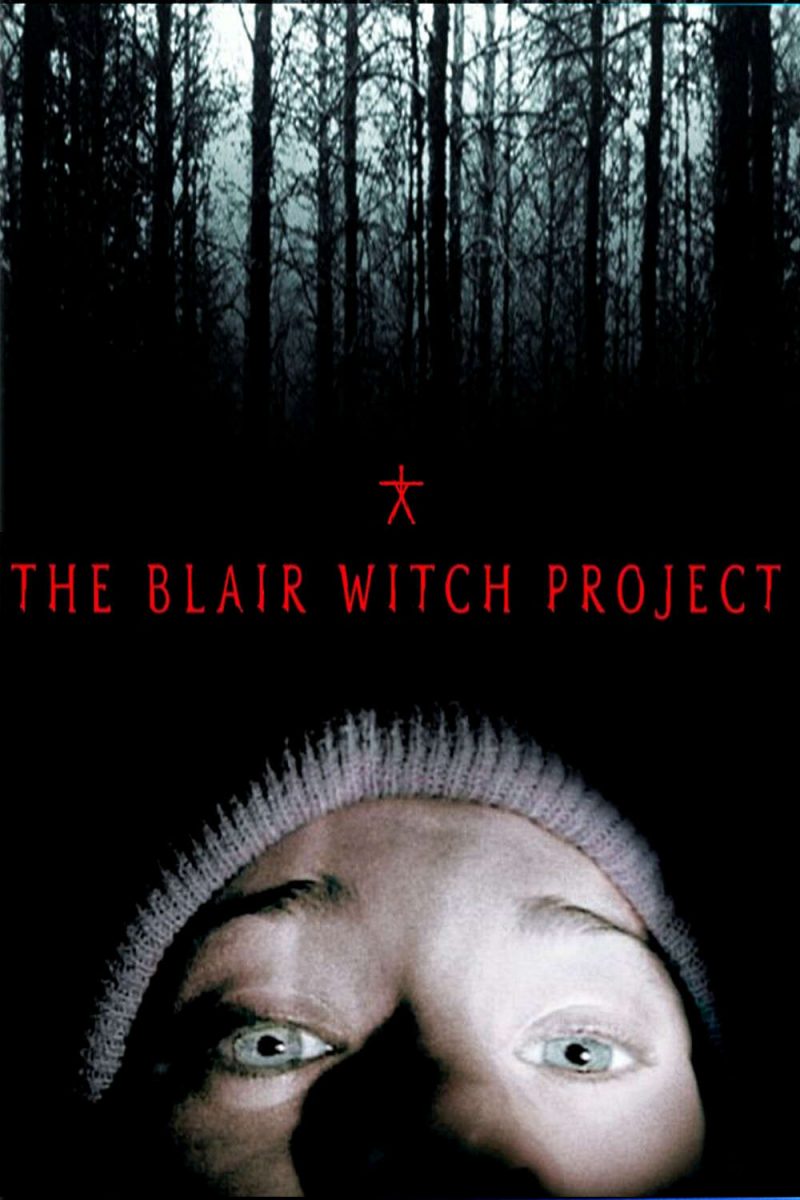
The poster for the film features one of the final shots of the film, now one of the most iconic shots in horror history. | Artisan Entertainment
The Blair Witch Project (1999)
Much has been said about this found-footage classic, so I won’t beat the dead horse too much here; suffice it to say, it’s a classic for a reason. While the horror might be hit-or-miss in its effectiveness from person to person – some find it boring and unscary, others find it skin-crawlingly terrifying – the use of unknown actors and realistic “found” camerawork to tell a supernatural story was not used commercially before this film, besides the British TV movie Ghostwatch from earlier in the 90s. What makes Blair Witch horrifying is the realistic way it’s presented, with unsteady handheld cameras and almost entirely unscripted dialogue, making it seem like we’re watching something that actually happened.
With one of the most genius endings I’ve ever seen, The Blair Witch Project is perfectly scary without ever actually showing anything supernatural, something that has almost never been done to the same effect in supernatural horror films before or since.
The Most Disturbing to Watch
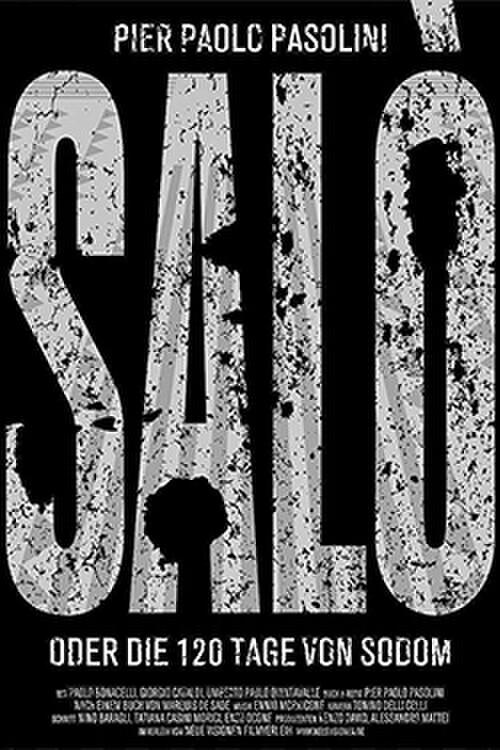
The censored poster for the film, featuring only the title… every other poster was too graphic to display here. | United Artists
Salò or The 120 Days of Sodom [original title: Salò o le 120 giornate di Sodoma] (1975)
Directed by widely-acclaimed Italian poet, writer, and director Pier Paolo Pasolini, and based upon Dante’s Inferno and French Nobleman Marquis de Sade’s unfinished novel, 120 Days of Sodom, this film is an intensely disturbing early work of extreme cinema and a progenitor of the New French Extremity movement of the 2000s. A commentary on the actions of Italian libertines during the fascist Nazi occupation of Italy during World War II, the film is an allegory to the torture of class warfare and the unending depravity of those in power. One of the few political horror films I’ve seen, Salò holds literally nothing back, diving into the extreme torture and sadistic degradation of young townspeople for the pleasure of the libertines.
Adding to the film’s fear factor, Pasolini was murdered just before the movie’s release, making this his final visual contribution to the art world – even despite its deeply disturbing content, it has been the subject of much critical discourse and acclaim, making it an incredibly interesting film to watch if you have the stomach for it.
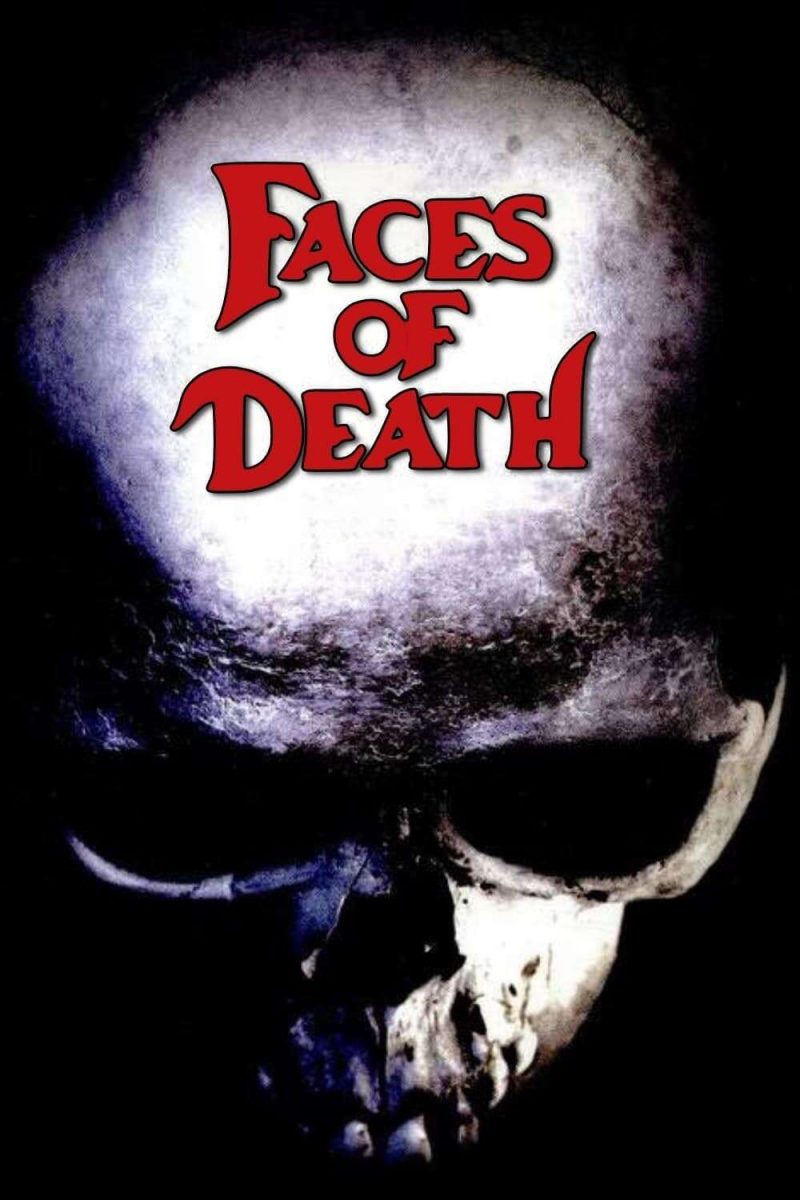
A reworked poster, featuring a skull on a dark black background. The original featured a lengthy warning about graphic content on the cover. | Aquarius Releasing
Faces of Death (1978)
Recently rebooted into a meta-horror theatrical film, the original Faces of Death is one of the hardest-to-watch films I’ve ever seen in my lifetime, even despite its age. Featuring snuff films that may or may not have been fake – whether they are or not, they look very real nonetheless – the film is a discussion about death in its many forms and how it’s viewed in different cultures worldwide. Beginning with animal death for the sake of the meat/clothing industries and ending in mass tragedies like airplane crashes, our narrator, the fictional Dr. Frances B Gröss, talks about the various forms of death, constantly reminding the viewer how near it could be for them.
A cult-classic straight-to-video film, it was a huge sell for video-store gorehounds of the 80s and remains one of the most disturbing movies ever made. While it is an interesting exploration of death’s presence in our lives, most of Faces of Death is played for the sake of shock factor alone, making it hard to recommend unless you want something primarily meant to shock you.
I had to use the censored “making of” poster here, as the originals are all way too graphic for the paper… | Leisure Time Features
Nekromantik (1988)
Incredibly impressive for a no-budget amateur film written and directed by first-time feature film director Jörg Buttgereit, this one is absolutely what you think it is, but I guarantee it is even more disgusting than you could imagine. It has surprising thematic depth for a film meant to push boundaries regarding German film censorship of the 80s, and the practical effects – with the use of real pig eyes/intestines and other such viscera – are very real-looking, even when they aren’t actual body parts of animals. Complete with actual documentary footage of a rabbit being slaughtered intercut with key moments in the film, Nekromantik is one of the few movies I genuinely had to look away from in multiple scenes.
I’m not recommending this film at all; however, if you were to watch it, there is a sequel, and it is better than the first (but less disturbing in my personal opinion). Exploring sexual insecurity through purposefully extreme scenes that push boundaries even among the freakiest of films is certainly not for everyone, but it does show how creative art can be, even in the nastiest of ways.
The Worst Ones
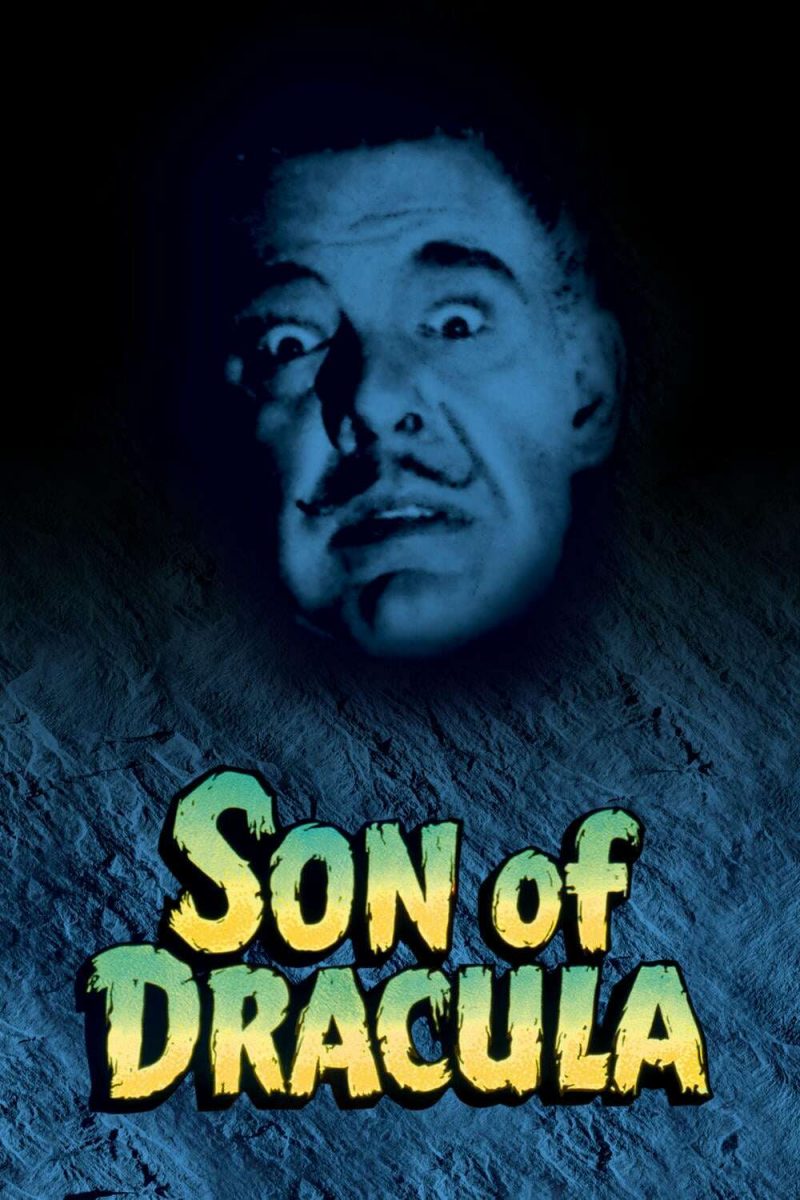
The minimalist poster does very little to even bring interest to the film, and Lon Cheney Jr. just looks so silly as Dracula to me. | Universal Pictures
Son of Dracula (1943)
Following Universal Pictures’ iconic 1931 Dracula film, the studio exploded onto the scene with sequels galore, rapidly capitalizing on the success and building their world-famous directory of “Universal monster films.” Unlike the preceding 1936 sequel Dracula’s Daughter – which was amazing, by the way – Son of Dracula doesn’t do anything original or build on the lore of the first film at all, instead almost entirely replaying the plot of the original with a weaker cast and a lower budget. While Lon Cheney Jr. shines as the Wolf Man in other Universal monster films, and wasn’t even a half-bad Frankenstein Monster in 1942’s The Ghost of Frankenstein, he doesn’t sell Dracula at all – son or not.
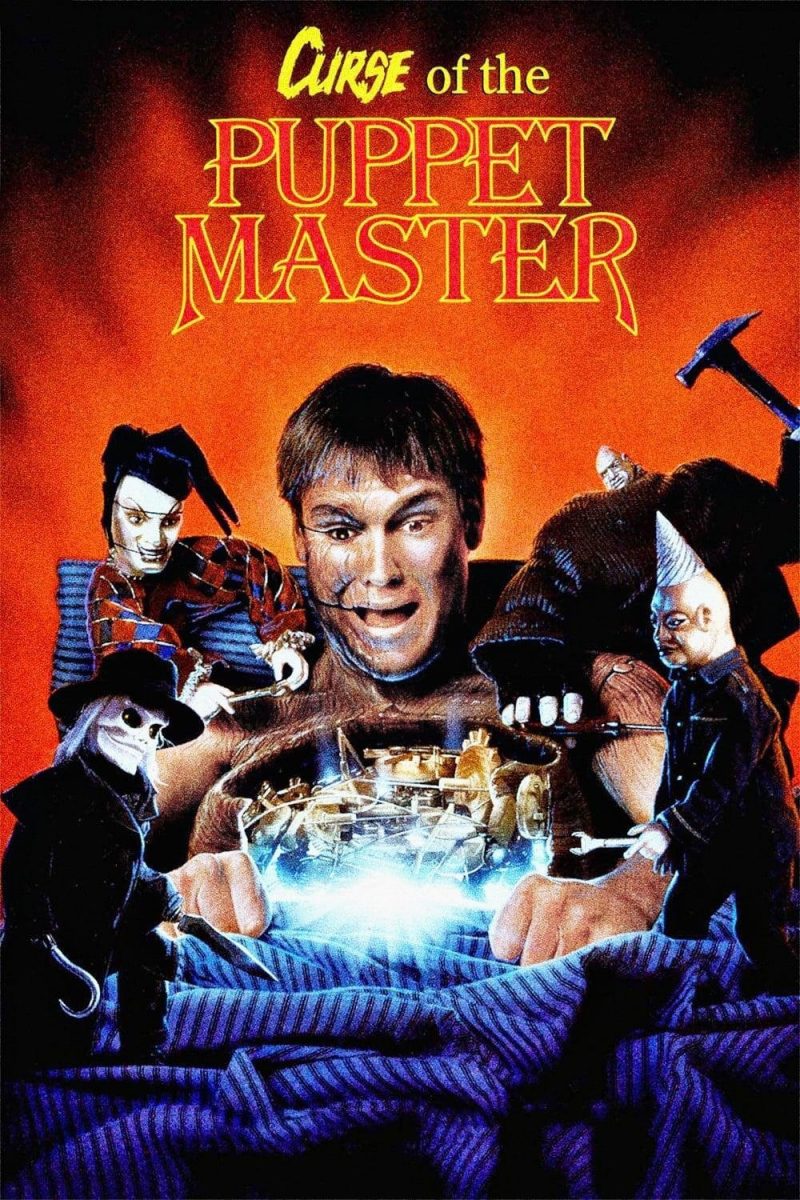
I actually like this poster a lot, although it does spoil the plot of the film. | Multicom Entertainment
The Curse of the Puppet Master (1998)
I really could’ve included any of the Puppet Master sequels past the third one in this category, but this sixth entry in the already-tired franchise really takes the cake, even considering the many more sequels and spin-offs that followed it. While the first three films are actually great 90s B-movie horror flicks, they immediately began to fall off as the already tiny budgets got smaller and the puppets became less of a novelty and more of a hindrance to creativity. In this one, the puppet action is minimized more than ever, as the plot surrounds a young man being turned into a human puppet by a crazed scientist, taking inspiration from the original Puppet Master from the first films.
The last ten minutes of this one are actually pretty fun – a puppet with an industrial drill for a head grotesquely kills a rapist, along with other wacky and gory puppet action the series is known for – it’s still not worth it though, as I’d rather just watch the first three films again.
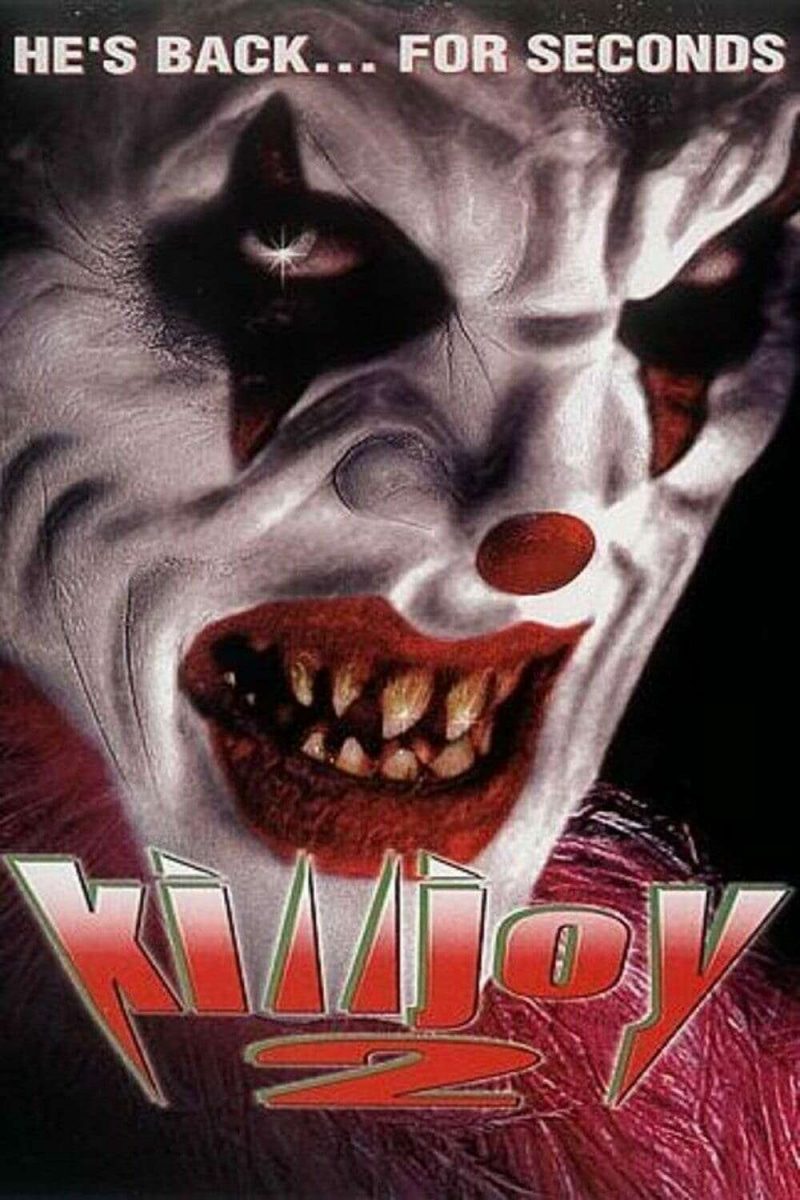
The poster features Trent Haaga as Killjoy, his first appearance as the character… he plays the character from here on through many sequels. | Full Moon Features
Killjoy 2: Deliverance from Evil (2002)
Largely considered better than the first, primarily because of the recasting of the killer clown, Killjoy, I genuinely could not stand this movie at all. I liked the first one, which is a hot take if Letterboxd reviews are any indication, because it was somewhat novel: a killer clown B-movie horror romp primarily featuring Black actors. Here, it loses a lot of that charm with an entirely new writer, cast, and director taking the story into more mystical territory. I even felt like some of it came off as racist, but whatever the case, it was not nearly as entertaining as the first and clearly had worse production quality.
It’s also made by the same studio as The Curse of Puppet Master, so honestly, I should’ve known.
The Most Underrated Ones
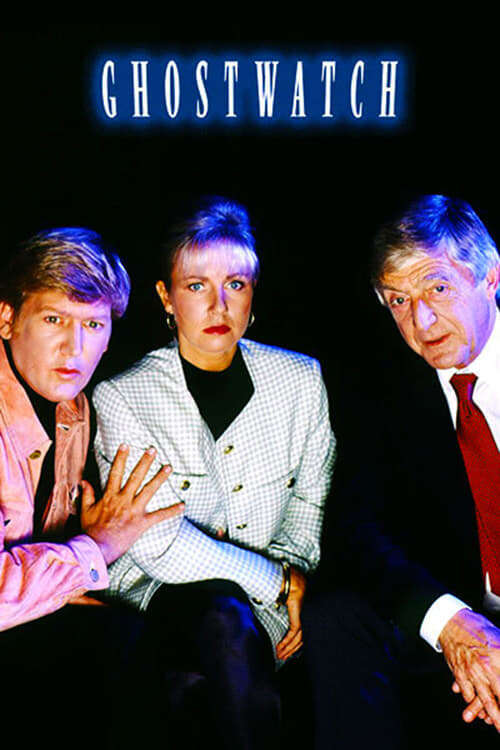
Since it was a TV movie, the poster isn’t anything special, adding to how underrated the movie is! | BBC
Ghostwatch (1992)
Originally run as a faux news report on BBC, this TV movie is almost never talked about – which is surprising, considering its parallels with Orson Welles’ War of the Worlds radio program and its huge inspiration for popular 2000s supernatural found footage films. What begins as an ordinary ghost hunt played “live on television” to answer the ever-ominous question of life after death rapidly becomes something the unwitting news anchors never could’ve expected, all shown in a way that looks genuinely real.
Much like Welles’ radio program, the public tuning in to the television airing went into a panic, flooding the BBC’s phone line with frightened calls. Although you can now go into it knowing that it’s fake, it’s still very creepy and effective, especially for the low budget and overall documentary style.
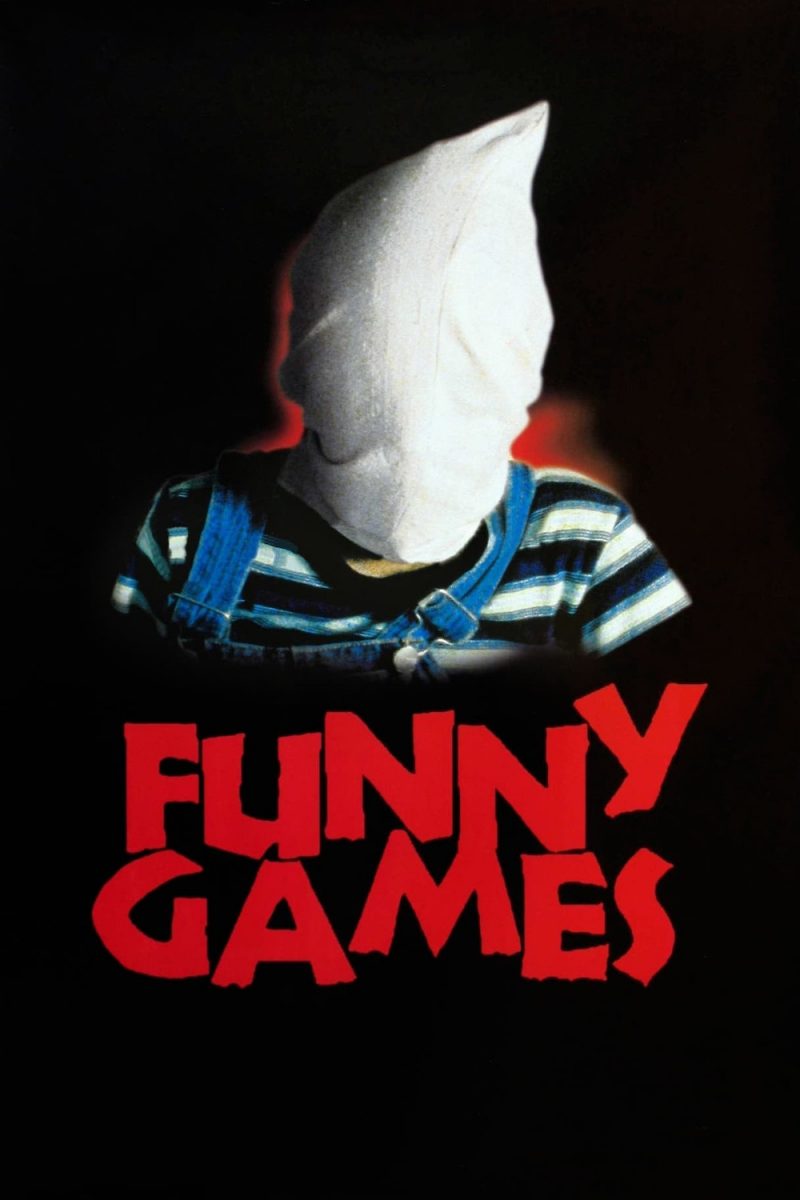
One of my favorite horror posters ever made, as it carries a lot more meaning after seeing the film… this shot preludes the most violent scene in the film. | Wega Film
Funny Games (1997)
One of my favorite films of all time, Funny Games, dares to ask the question: Why do we enjoy violence in movies? It’s a rough question to think about, especially when the killers in the film are constantly breaking the fourth wall to talk to the viewer throughout the movie as they hold an innocent family hostage and later psychologically torture and kill them. The tone of the movie is absolutely brilliant, as it plays almost like a dark comedy for most of the runtime before becoming dead serious after an incredibly shocking act of violence changes the whole vibe on a dime.
Although it was remade shot-for-shot into an Americanized English-language version by the same writer and director in the 2000s, the original stands alone in my mind simply because it felt uniquely timely in the late 90s, when violence in media was heavily scrutinized and commented on.
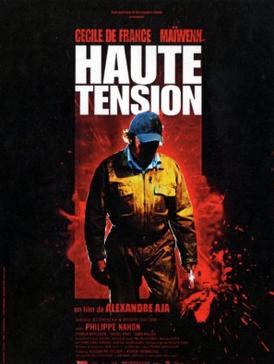
This poster features the killer character, a crazed truck driver intent on killing the lead couple. | Europa Corp Distribution
High Tension [original title: Haute tension] (2004)
An early film in the French New Extremity movement and inspiration for gory 2000s slashers like Hostel and Calvaire, this film really is a diamond in the rough when it comes to ultra-violent psychological horror. Following a lesbian couple that is being chased by a large, terrifying man who is hellbent on their deaths for seemingly no reason at all, High Tension lives up to its name, as the whole movie feels like you’re being chased along with the leads. Through twists, turns, and incredibly creative kill scenes, the film’s ending was absolutely perfect in my opinion, examining gender stereotypes and psychological obsession in ways I’d never expected.
Plus, a handheld concrete saw as a slasher villain’s weapon of choice is something I never knew I needed to see; not only does it play into the final twist of the movie, it also just looks so cool and threatening. If you’re looking for something like if Psycho had the pacing of World War Z and the gory violence of Saw, this is an incredibly underrated pick, with a great soundtrack as well.
The Best Ones
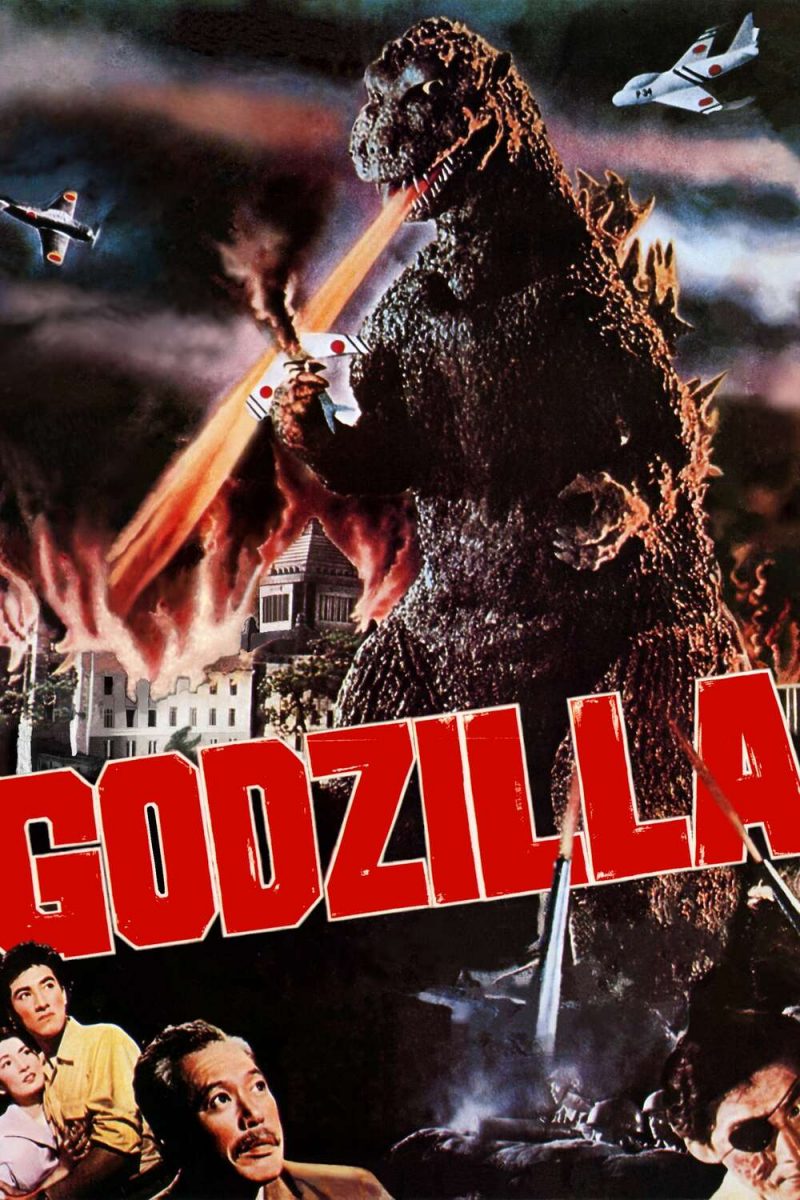
The original American poster for the film, featuring Godzilla and other characters in color; I don’t love this choice, as he looks far less threatening in color here. | Toho
Godzilla [original title: ゴジラ] (1954)
It was hell having to pick the best three out of these 222 films and, since I already wrote about Irréversible a couple of weeks ago in my Gaspar Noé Retrospective story, I had to give a shout-out to the one and only big lizard himself, Godzilla. The first kaiju film ever made and directed by groundbreaking Japanese monster movie director, Ishirō Honda, this film is meant to be symbolic of the lingering mental and physical after-effects of the nuclear bombs that were dropped on Japan not 10 years before the film’s release. The gritty, dark black and white cinematography and the focus on the effects of mass destruction and terror of inescapable doom work incredibly well together, and the sense of hope for humanity at the end is a strong choice from Honda, considering the darker routes he could’ve easily taken.
Although it may seem silly now, after the character of Godzilla has often been interpreted by later filmmakers as a fun, fantastical, and sometimes even friendly monster, it really stands on its own as a classic Japanese monster movie.
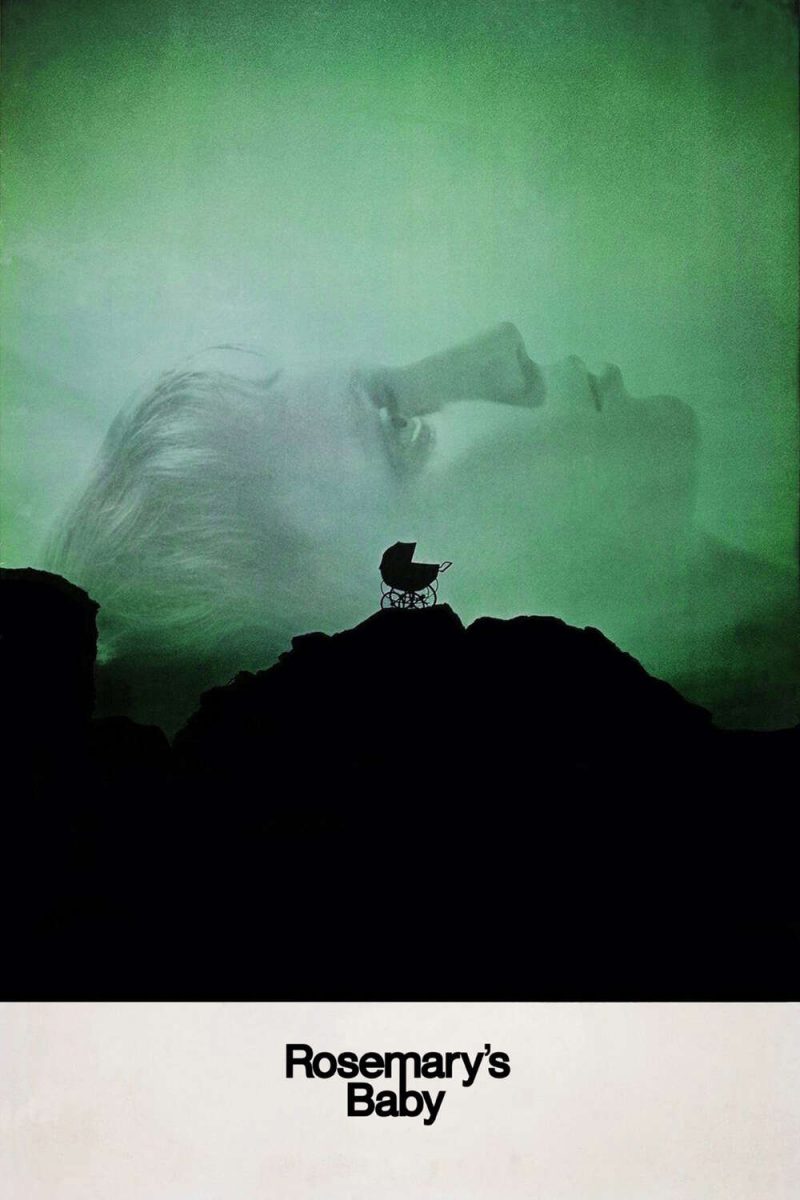
The classic poster for the film has Mia Farrow in the background, with the titular baby’s cradle alone on a mound of rock. | Paramount Pictures
Rosemary’s Baby (1968)
I actually saved this film to watch for my 666th entry on the list, and it didn’t disappoint or feel unworthy of that honor. Featuring Satanic imagery and plotlines that I was kind of shocked to see from a 60s movie, along with Mia Farrow in her career-defining role as Rosemary, this is one highly praised horror movie that actually deserves everything it’s been given. Even after nearly 60 years since its release, this classic still holds up as an incredibly influential film for later hits like The Conjuring and Hereditary.
Introducing haunted house tropes into a high-rise apartment complex and shifting the confining supernatural horrors that are generally reserved for isolated mansions into the bustling streets of New York, Rosemary’s Baby modernized horror in a way I haven’t seen from any other English-language film from the 60s. Combining with the stark underlying themes of sexual assault and spousal abuse to pull the emotional weight of the film, this is a classic for a reason, and is still surprisingly rough to watch even today.
Black Christmas (1974)
I won’t beat the dead horse too much on this one, but it really is one of my favorite horror films ever made. I would recommend this to literally anyone interested in slasher movies in general, especially those invested in the origins of tropes within the genre.
Other Favorites/Conclusion
Before I go, I had to rattle off a few favorites from this section of the list that I feel like aren’t talked about enough: the Evil Dead-inspired 1985 Italian giallo film, Demons, the 1920 German witchcraft documentary Häxan (the first feature film appearance of the devil, heavily influencing how he is portrayed in cinema to this day), and the 1979 erotic-horror vampire classic, Fascination.
Next week, I’ll be covering the next 222 films, ranging from the mid-2000s to the mid-2010s, before finally culminating with the third entry featuring the most recent horror I’ve seen. I’d highly recommend any of the movies I’ve discussed – other than the worst ones, obviously – so, if you want a cute horror movie night alone, with your date, or with friends, I hope you give one a try!