By Lida Valentino, Special to the Journal, Additional Edits by Carlie Abbott, with a Note from Cordia Paxson
No one really talks about how much romantic relationships change over time. When you first start dating someone, everything feels electric and almost perfect — but that version of the relationship does not exist forever, and honestly, it is not supposed to. All romantic relationships go through phases; one example is the honeymoon phase, where every conversation, every touch, every experience together is exhilarating. Then, as you continue together, those interactions become less fresh but more grounded in reality, and you can see each other under the surface.
Then, if you stick together through that first adjustment within the relationship, you move into a deeper connection where growth in the relationship becomes a focus — not just as a couple, but as individuals. I used to think that when things started to change in my relationship, it meant something was wrong. Like if texting slowed down or the initial excitement I had once felt wasn’t as overwhelming, that meant that the relationship was fading.
As time has gone on, I realized that relationships do not fade; they evolve. The way you love someone changes and that doesn’t make it any less meaningful. If anything, it makes the connection with your partner more real. From my own experience in a long-term relationship for almost a year and a half, I have seen how dynamics can shift. What started as something merely exciting and new turned into something deeper, more stable, and even sometimes more challenging. Understanding those changes makes a difference between a short-lived spark and a lasting relationship.
At the beginning of my relationship, everything felt easy. We talked all the time, whether it was texting nonstop or finding any excuse to see each other. It felt like we couldn’t get enough of each other. I remember thinking that if it were always like that, my relationship would never be hard. During that stage, it is easy to idealize your significant other. There is this constant feeling of “this is perfect,” and you expect it to stay that way. But looking back on my own experience, I can see that this phase is only one part of the relationship. It’s real, and it matters, but it is only temporary.
When certain aspects of the relationship change, like noticing habits or differences that you didn’t see before, the communication may be different, or small misunderstandings may arise. That’s usually the point when people start to question things, but it is honestly one of the most important stages of a relationship. If you are going through that shift with your partner, my biggest advice is not to worry. This change doesn’t mean that your relationship is failing; it means it is becoming real.
You are starting to see each other as real people, individuals with imperfections, not just the ideal version you saw at the beginning. This is the part where communication starts to matter more. Instead of avoiding conflict, it is better to learn how to handle it in a healthy way. You will start talking things out, listening to each other, and not expecting perfection. This is the key to finally feeling at peace with your relationship.
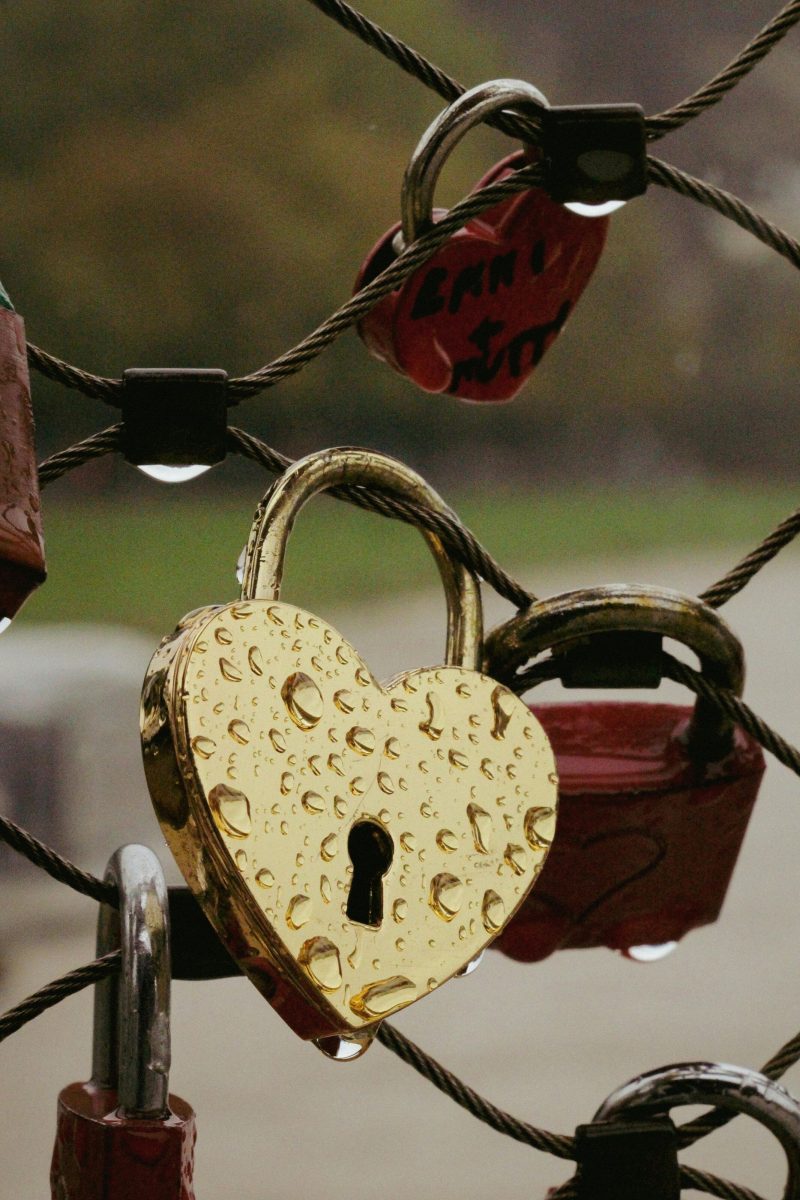
As a relationship continues, growth becomes the most important part. Not just growing together but also growing as individuals. It’s easy to think that being in a relationship means doing everything as a pair, but having your own goals, interests, and space is just as important as anything else. In my own personal experience, the strongest moments in my relationship come from supporting each other’s growth. Whether it’s personal goals, school, work, or becoming better versions of ourselves, these things keep the connection strong: communication, honesty, and choosing each other, even when things aren’t easy. The future of a relationship isn’t just about staying how you were in the beginning. It’s about adapting, learning, and continuing to build a bond that lasts through anything.
At the end of the day, relationships aren’t meant to stay the same. The excitement you felt from the beginning changes, but it doesn’t disappear; it just becomes something different. What replaces it is deeper trust, understanding, and connection. It becomes something better than you could have ever imagined. It’s worth it for a person that you love.
Looking back, I have learned that change in a relationship is not something to dread; every part plays a role in building something real. With this comes deep trust, understanding, and connection. And with the right person, it feels effortless. If there is one thing to take away from this, it’s that love isn’t a straight-line experience. It is building a space where growing, adapting, and choosing each other become priorities.
Note from Cordia Paxson: Lida, I love your understanding of what love looks like throughout time. I think our generation wants an easy option. We have gotten used to things being consistently simple, an idea reinforced by social media and advancing technology. As a generation, we are forgetting that we are humans, not perfect machines; we are supposed to feel. Love, hurt, growth…they are all a part of the living experience. Thank you for reminding me and others to lean into what it means to be in an honest, unfiltered relationship with someone. May your words carry encouragement to others to love without hesitation and live without regret.
Lida Valentino is a pseudonym for a Pellissippi State student.