By Draven Copeland, Managing Editor
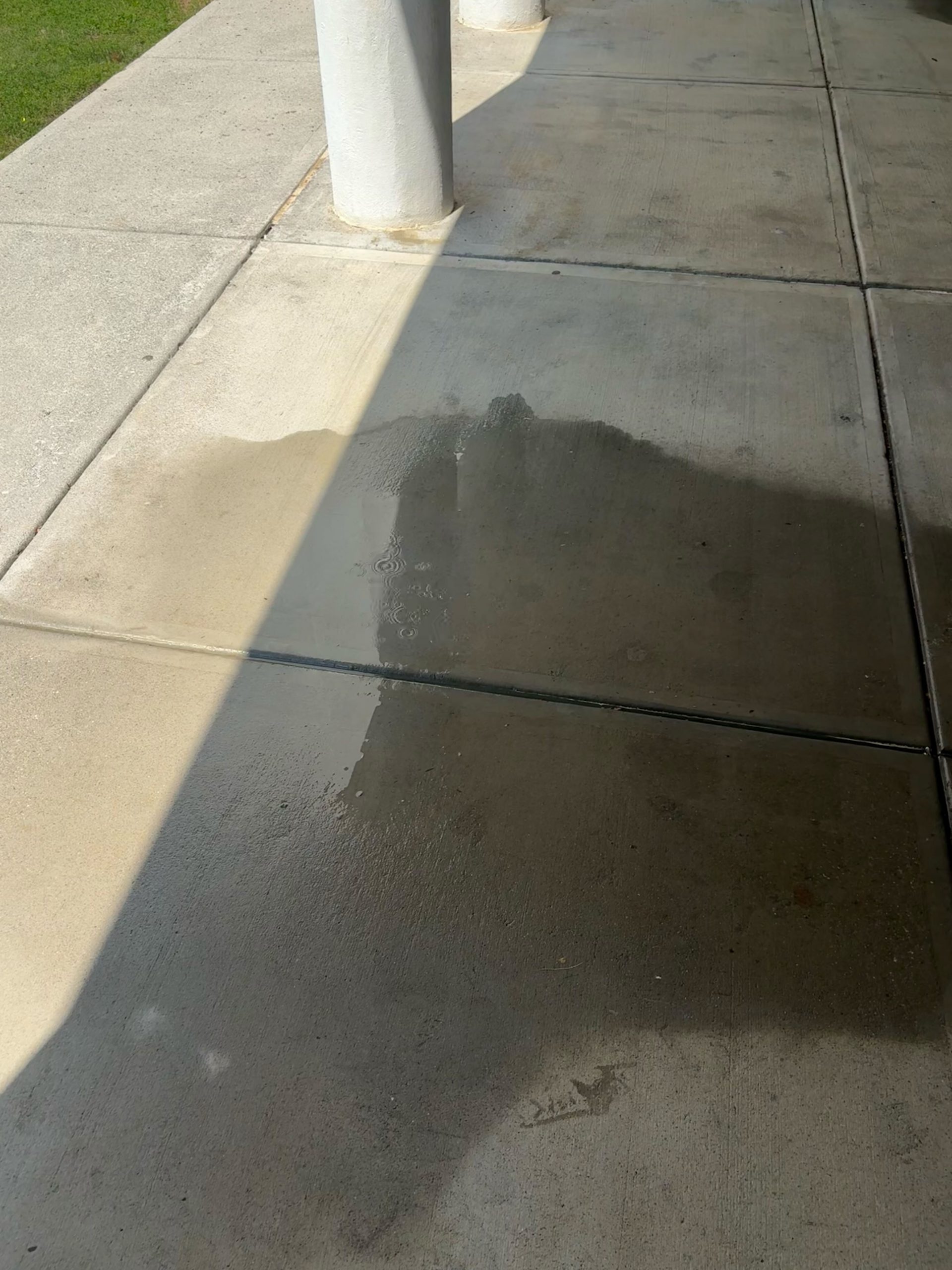
On the morning of April 9, 2026, a waterline pipe burst on the second floor of the Lamar Alexander Arts & Sciences building on the Hardin Valley campus, causing flooding in many rooms of the building. Classes were immediately halted, and the building was evacuated for the safety of students and faculty.
The Timeline
At 10:29 a.m., an email was sent out by Campus Police to faculty and staff only, warning that the building was being evacuated, asking “all occupants… to exit the building immediately and remain clear of the area until further notice.”
Later in the email, Campus Police stated that “Campus officials are actively assessing the situation and working to resolve the issue as quickly as possible.”
The college sent a short text message and email to all students and faculty through the Pellissippi State Alerts system just nine minutes later at 10:38 a.m., stating, “A water line breakage has forced the evacuation. Avoid the building until further notice.”
This was followed up by Pellissippi State Community College’s Marketing team, who sent an email to all students, faculty, and staff 35 minutes later at 11:13 a.m., further detailing the situation. While most of the email was simply further confirmation of the fact classes were being “relocated or moved online” for the rest of the day, a bolded section stated, “At this time, the building remains closed while facilities teams assess conditions and complete necessary repairs.”
Despite this message, students could be seen sitting on benches nearby the building periodically throughout the day, and multiple entryway doors to the building remained unlocked.
While that was all the official messaging from Pellissippi State on the day of the incident, Marketing sent out another email on April 10, stating that the building was closed “through Monday evening due to facility issues,” with the exception of the Clayton Performing Arts Center (CPAC) and the lobby for entrance to theatre performances running over the weekend. The message ended by asking “all guests, students, and employees use only designated access points and avoid restricted areas.”
Three days later, in the afternoon of April 13, Marketing delivered another email to students, stating, “Based on the latest assessment from facilities and restoration teams, the building will reopen for normal operations tomorrow morning, with one exception… The piano lab (Room 123) will remain temporarily closed as restoration equipment continues to operate in that space.” The email continued to explain that all classes in the building will continue as normal with the exception of the piano lab, ensuring that “conditions will continue to be monitored, and additional updates will be provided if necessary.”
The Facts
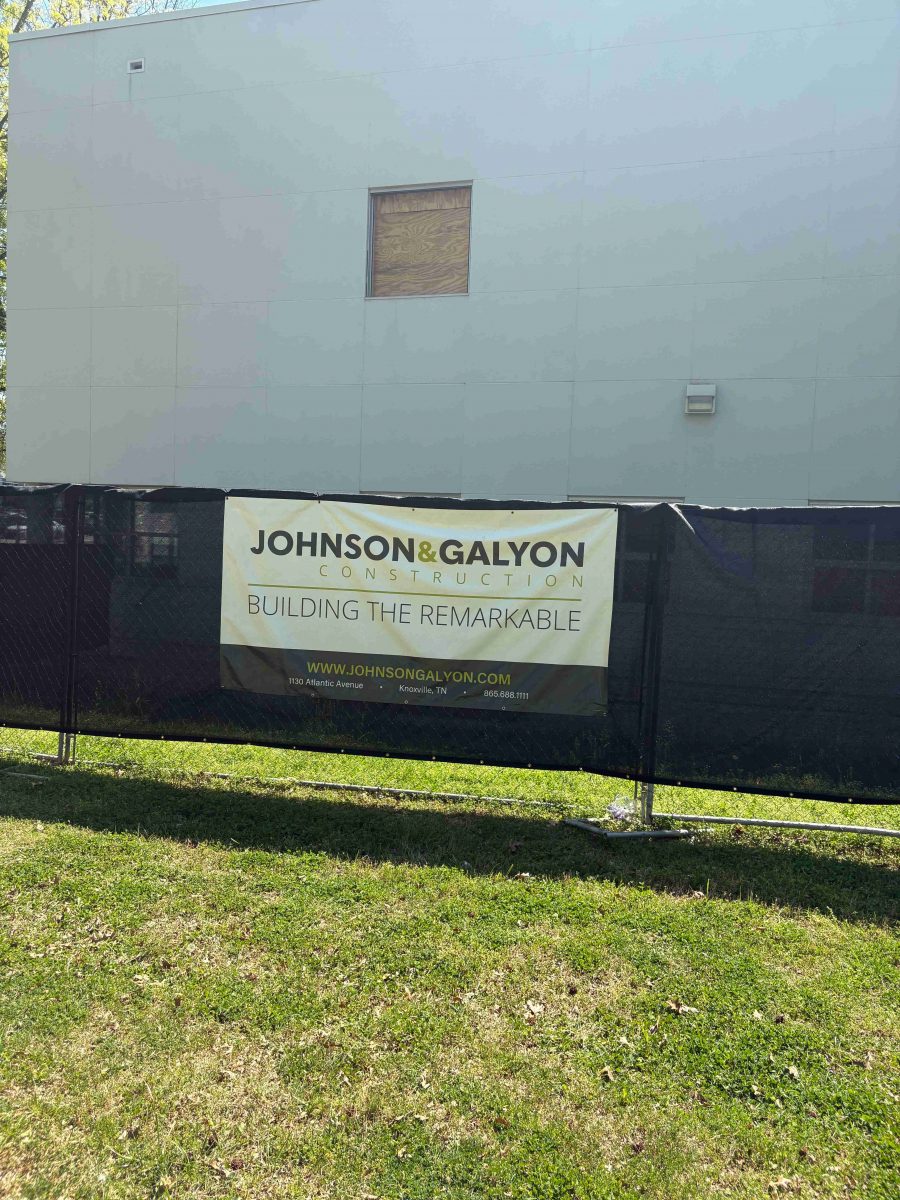
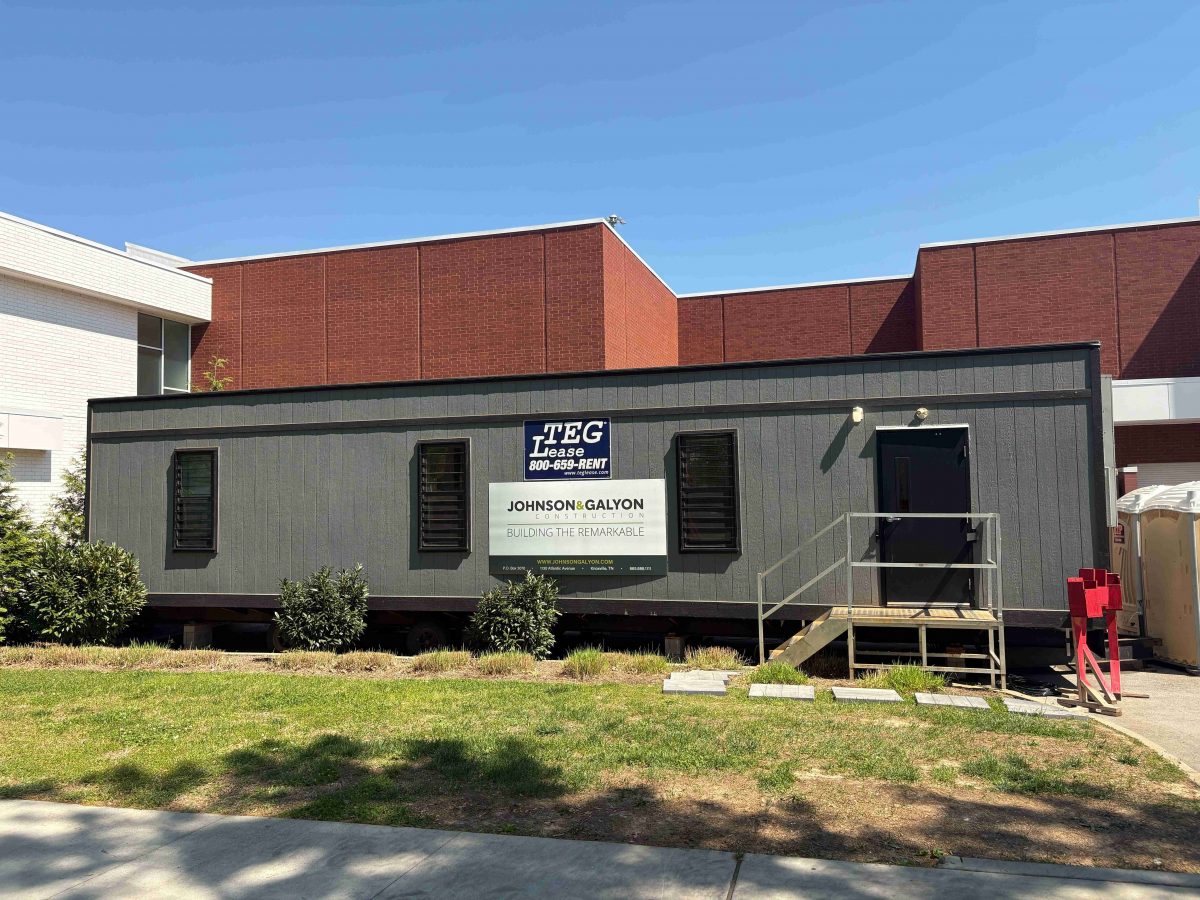
For the entirety of the Spring 2026 semester, Johnson & Gaylon Construction, a company with construction credits ranging from work on UT Medical Center’s Heart Hospital to Fellowship Church of Knoxville, has been working to renovate many rooms in the building on both the first and second floors. When asked whether the company had anything to do with the flooding, Campus Police stated that they “didn’t have any information on that.”
The origin of the flooding was unclear in the widespread college communications – the Alerts message cited “water line breakage,” while both the Campus Police’s and Marketing’s first emails cited only a “water leak.” All other messages only cited “facility issues.”
In an email interview with Executive Director of Marketing and Communications Rachel McClelland, she stated, “The water intrusion originated on the second floor of the building.” She continued on to add, “The flooding appears to be related to ongoing construction activity in the building that impacted a sprinkler line. We are continuing to review the incident to fully understand the circumstances.”
When asked why doors to the building remained unlocked even after notices of evacuation, Campus Police stated that it was “a matter of operational security and [they couldn’t] speak on it.” According to an article published by Salt Communications, a company specializing in cybersecurity, “Operational security (OPSEC) in policing is a comprehensive strategy vital for safeguarding critical information and activities from unauthorised access or exploitation by adversaries.” In this instance, Campus Police are likely not authorized to reveal information until it has been cleared by their management.
There have been no reports of waterline breakage or significant water damage in the building since the college’s opening in 1974.
The Student Perspective
Music major James Kitchin was in the Lamar Alexander building for class when the flooding started and, in an exclusive interview conducted by Imaginary Gardens Editor-in-Chief, Emma Harrison, described the experience from a student perspective.
When the flooding began, Kitchin said, “It took them a second to actually evacuate the building… at least 15 minutes or so, everyone got to watch it for a while… [so, a] lot of us were able to get vids and pics.”
Stills from Kitchin’s video are featured in this story.
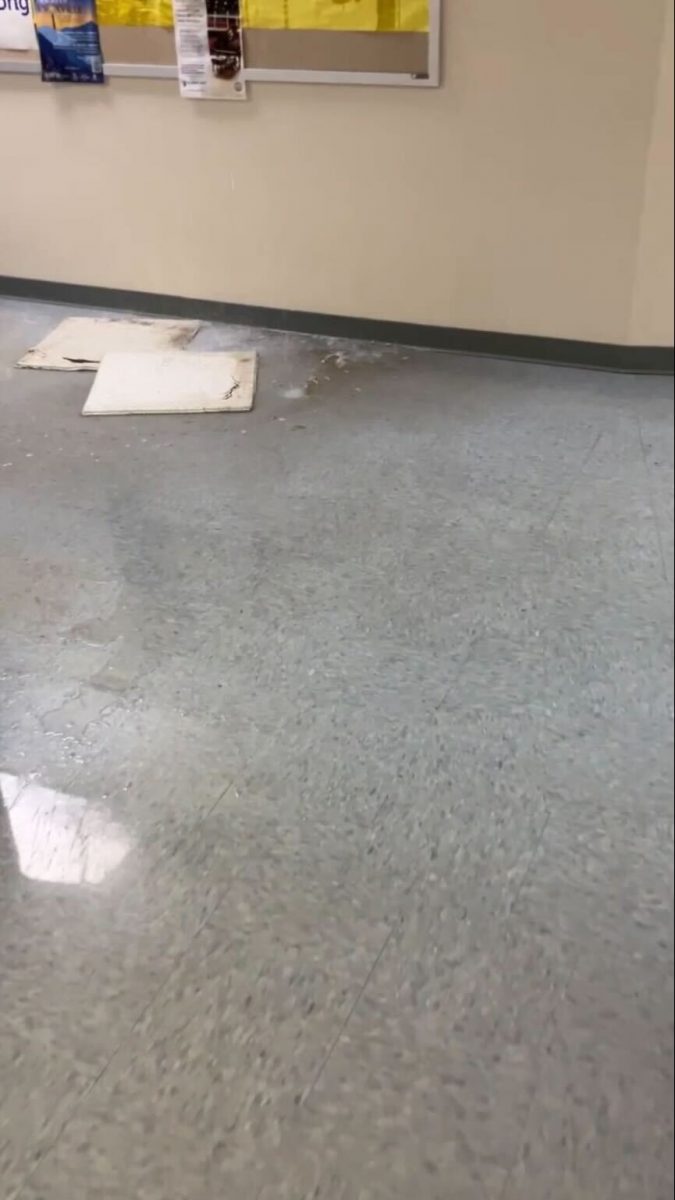
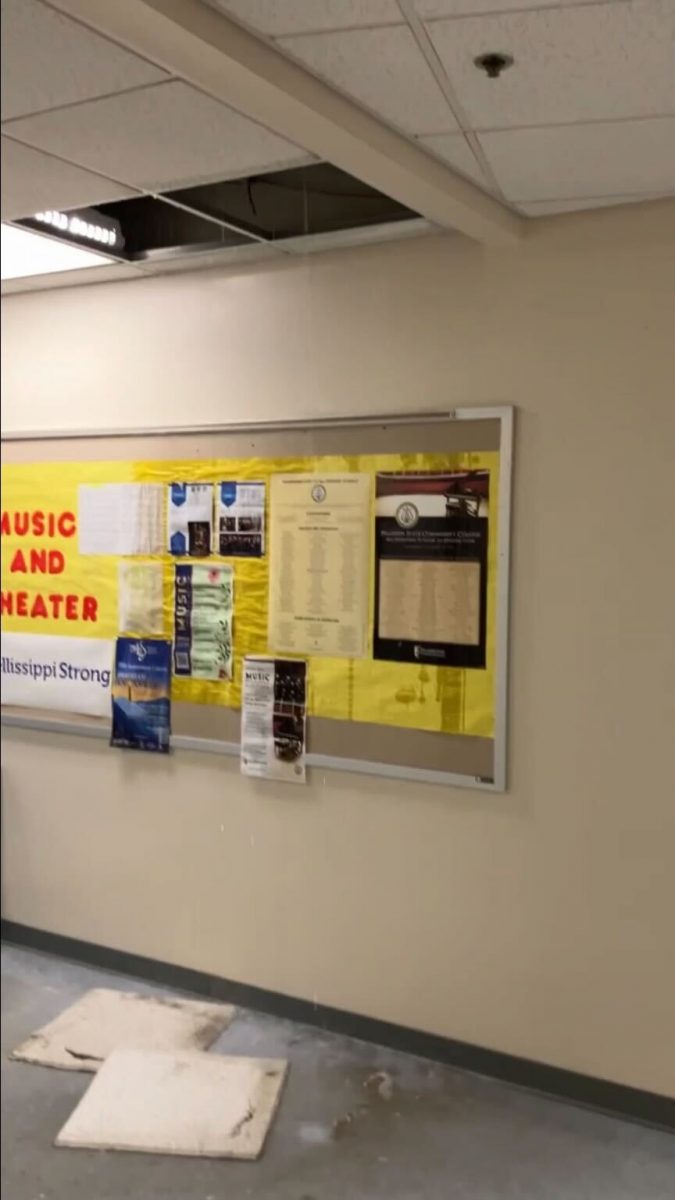
When Harrison asked about the impact on classroom equipment, Kitchin added, “The leak hit the piano lab… the choir room and the hallway… so about six keyboards and [multiple] Mac desktops [were affected.]”
Noting his personal feelings about the cause of the leak and ongoing renovations, Kitchin explained, “Honestly, as a music major, it would have been nice if they started the renovations during the summer instead of during the school year. That’s what caused the leak.”
The Damage
Although rumors began to circulate on campus immediately after the incident, the extent of the damage caused by the flooding does not yet have an official estimate.
McClelland states, “Some instructional areas, including rooms with specialized equipment, did experience water exposure. A full assessment of impacted spaces and materials is currently underway.”
When asked for an estimate on the cost to the college in damages, she replied, “It is too early to provide a reliable estimate of damages. Our priority is documenting losses and determining what can be restored versus replaced.”
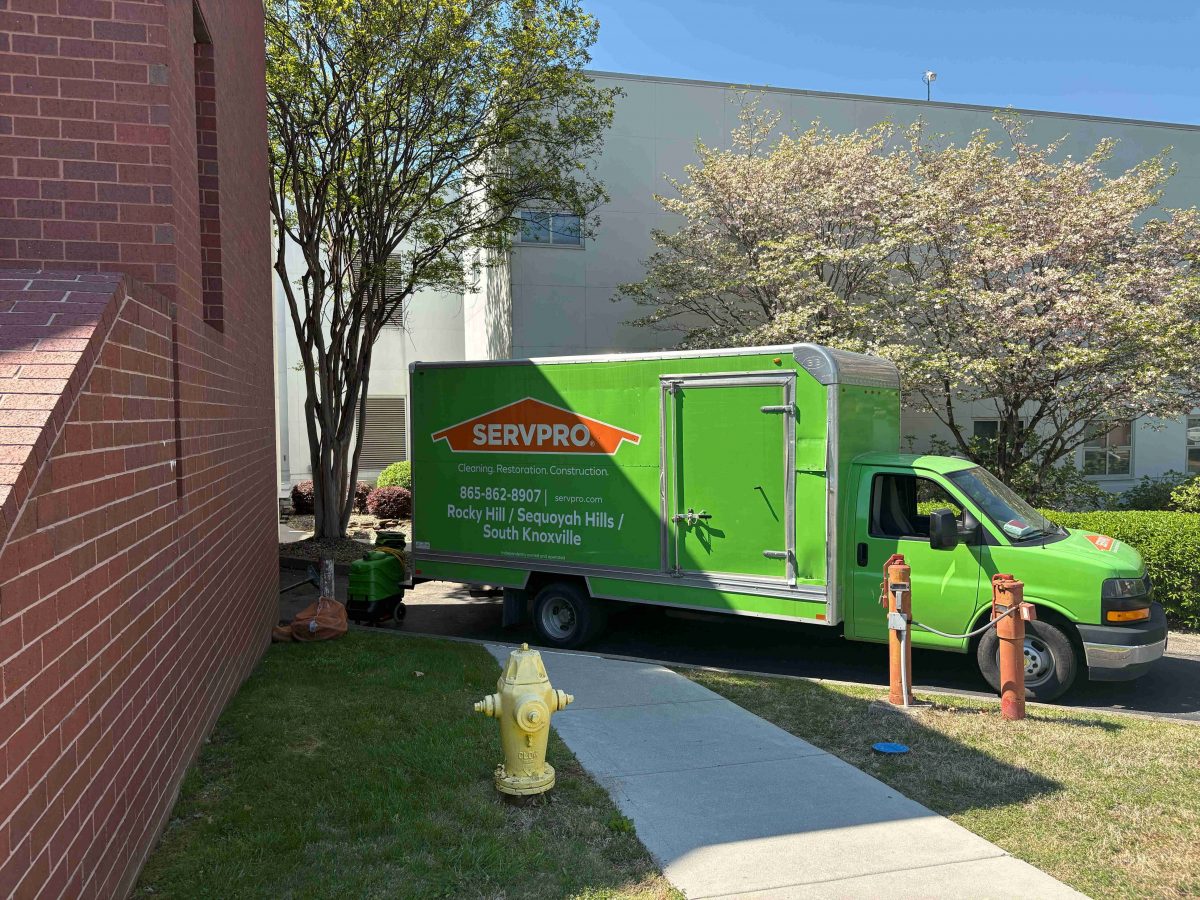
On the day of the flooding, a ServPro truck was parked by the East side dock entrance, and water damage equipment was set beside the vehicle. While the company’s website does not list a specific dollar amount for pricing, as they operate on a case-by-case basis, an article published on Reset Restoration Services’ website states that the prices generally range from $4-$12 per square foot, depending on damage severity. Square footage for the Lamar Alexander building is not public record, but a safe estimate for pricing would be upwards of $2,000 for repairs.
As the piano lab in Room 123 has remained closed even after the building’s reopening on Tuesday, April 14, the cost of equipment damage and replacement must also be taken into account. Keyboards, pianos, and other musical instruments/electrical tools in that room were unshielded from the flooding, and may have been significantly damaged.
Conclusion
At the heart of this unfortunate incident were the students and faculty affected primarily in music classes, as many theatre classes had been previously moved to other buildings due to the ongoing renovation.
Department Head Dr. Shaquille Marsh praised these students and faculty.
“I was impressed with how agile [they] were when they had to shift their classes away from Alexander to other locations (Goins, McWherter, online),” he said. “I am thankful for the music faculty and students for their ability to overcome a disruption to their environment. Pellissippi [State] music students and faculty met the moment and persevered. They are incredible. I am proud of all of them. They are to be celebrated!”
All Department Heads with impacted instructors faced the task of rescheduling and relocating Monday’s classes.
“The deans, assistant deans, and department heads worked together to relocate the Thursday afternoon and Monday classes that were affected by the water leak,” said English Department Head Lora Bagwell in an email interview. “The task was a total team effort.”
As classes continue despite this setback to the college, it is important to recognize the efforts of the entire college community to keep things running even through moments of uncertainty like this one. Although damage has been done to the building and its equipment, the only thing we have to do is rebuild and persevere, something that Pellissippi State faculty and students have already shown is not only possible but achievable.