By Blake Wilson, Special to the Journal
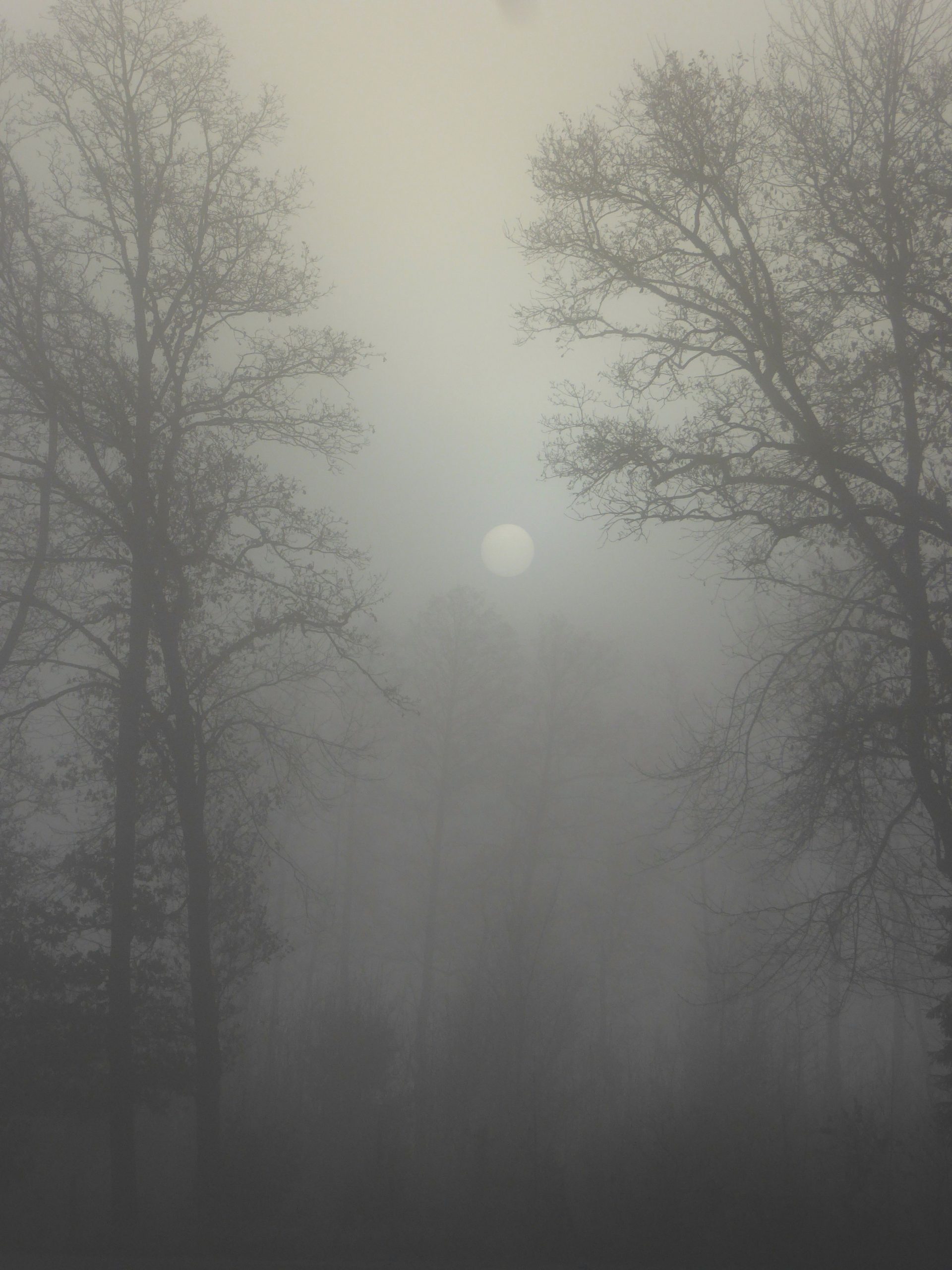
Darkness has existed since the event we call the Big Bang. Dark matter has a lifetime of at least 3.57 × 10²⁴ seconds, which is about 10¹⁷ years. That is ten million times older than our universe. Darkness has existed as long as humans have lived. Yet many of us fear it as if it were an enemy. We lock our doors at night. Brighten our streets with light to chase away shadows.
Our sudden fear of darkness is unreasonable. Humans are made from the ash of stars and live in a vast, mostly dark universe. To fear darkness is to fear life itself. While we keep fighting darkness, a counterculture has spent many decades welcoming it.
The Romantic Rebellion: Tracing The Lineage of Darkness
When people think of goth, they may picture jet‑black hair, pale skin from the neck up. A mid‑80s post‑punk look like those of The Cure or Siouxsie and the Banshees. However, music journalist John Robb says in his book The Art of Darkness that the roots of goth go deeper than dance floors and drum machines.

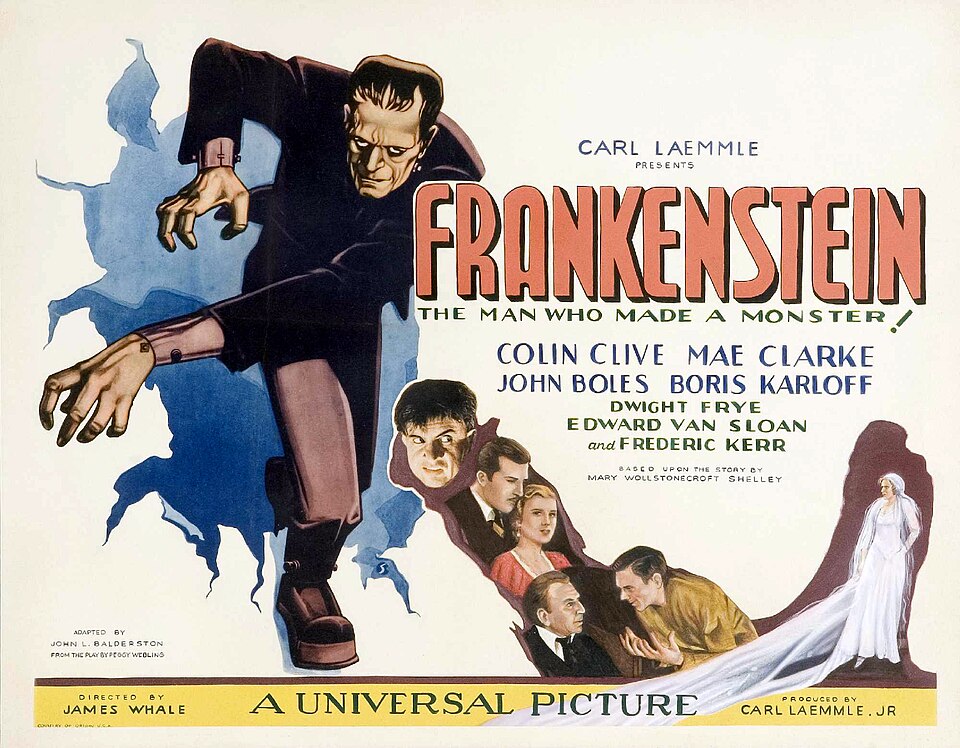
Robb follows this counter‑culture’s DNA back through centuries of human art. He brings examples from Lord Byron, Mary Shelley and other Romantic poets who resisted the idea that the Industrial Revolution had erased all mystery. The lineage comes from folklore, Victorian mourning rituals and a desire to see darkness as something to explore instead of pretending there is nothing to see. Robb says that embracing this culture can be a type of reclamation. Mainstream culture tends to follow a path of conformity, which is why gothic culture seems so strong. One less-noticed thing is that its melancholy introspection offers a safe house for those who love the strange: antiques, oddities, grief, decay, fashion, and most importantly, shared catharsis. If the universe is written in darkness, then goth culture is not a rejection of reality; it simply welcomes the idea of using darkness in life.

Robb also shows that while the ideas come from poets and Byron’s anti‑heroes, the look and sound of goth we see today grew out of the late 1970s punk scene. When punk’s wild energy began to fade, a darker, more thoughtful sound appeared in post‑industrial Britain. Bands such as Joy Division, Bauhaus and The Sisters of Mercy replaced the hard chords of the 60s and 70s with deep bass lines, synthesizers and haunting voices that many people think of when they imagine Halloween. When Bauhaus released Bela Lugosi’s Dead in 1979, it set the pattern for gothic rock, mixing punk attitude with theatrical horror.
In the 1980s, this musical change created the famous London club The Batcave, the birthplace of the goth look and community. There, people mixed style, punk gear and dramatic makeup into the single image that defines a goth. As the style split into sub‑genres such as deathrock, ethereal wave and darkwave, culture crossed the ocean and found a home in underground scenes across the United States.
Cultivating The Shadow in the Scruffy City
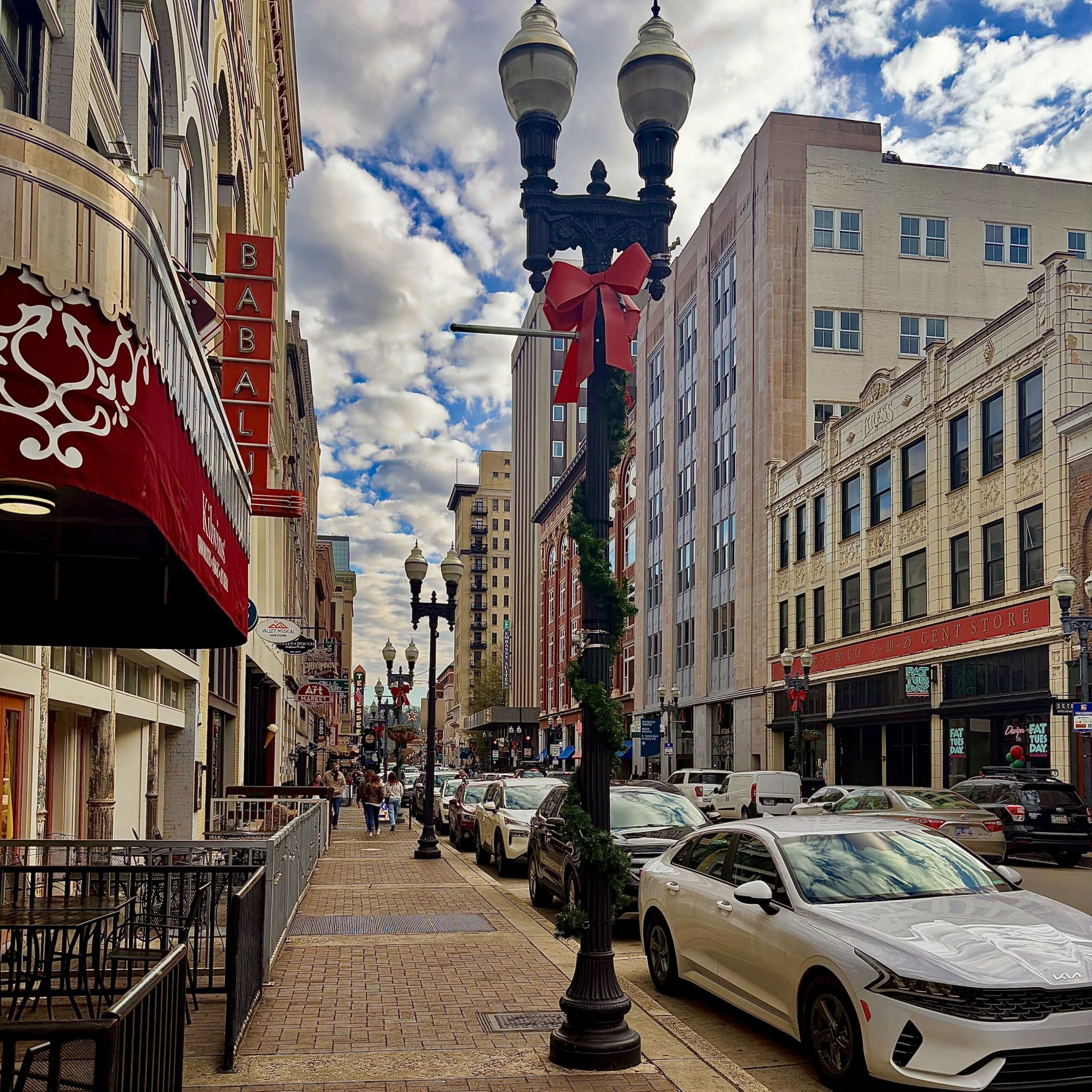
It is easy to imagine this philosophy thriving in cathedrals of Europe or neon‑lit alleyways of New York. What happens when a culture of darkness meets the vast green‑and‑blue ridges of Appalachia? Knoxville has always worn its Scruffy City badge with pride, a place where Southern Heritage bumps shoulders with a fiercely independent streak of weirdness. In a region where almost everything is deeply traditional, Knoxville holds a formidable badge of honor in the American underground. Institutions like Temple, an industrial and alternative dance club, have housed the local scene for over two decades. Walking into a lit Knoxville Venue on a humid Tennessee night, hearing loud drum machines and synthesizers and seeing velvet corsets, heavy eyeliner, and combat boots, one might not expect such a deep sense of shared humanity. Miles from the birthplace of post‑punk, local outsiders find community in this darkness. Gloominess and grotesqueness are another form of expressing absolute liberation. Gothic impulse does not belong to one zip code; it is a compass that can reach anyone and anything as much in East Tennessee as it does anywhere else.
Finding Sanctuary in the Gloom
Ultimately, the enduring power of goth culture does not lie in an obsession with death or sorrow, but in its radical honesty about the human condition and awakening. Mainstream society often demands exhausting cheerfulness or an expectation to perform happiness and assimilation at all times. The gothic impulse strips away that pressure. By pulling the curtain on the things society hides – grief, aging, melancholy, and the unconventional – it offers a form of consolation. When one learns to look into the dark, whether in the unknown or within the smoky bass‑heavy embrace of an underground club in East Tennessee, one should not judge or fear the idea of those embracing the darkness. One can realize there is a community of people who have found a gateway of self‑expression to love both themselves and the people around them.