By Haley Parker, Special to the Journal
Did you know you can donate to Veteran students here at Pellissippi State Community College? As we highlight Veterans Day, we at Imaginary Gardens invite you to join us in recognizing and honoring Veterans’ valiant service by investing in their future through the Veteran Support Fund. Just click the link below, select your donation amount, and designate your contribution to the “Veteran Support Fund.” Imaginary Gardens appreciates your generous support.
Thank you and have a blessed day honoring this nation’s current and retired soldiers,
– Emma G. Harrison, Editor-in-Chief, Imaginary Gardens
Give to the Veteran Support Fund.
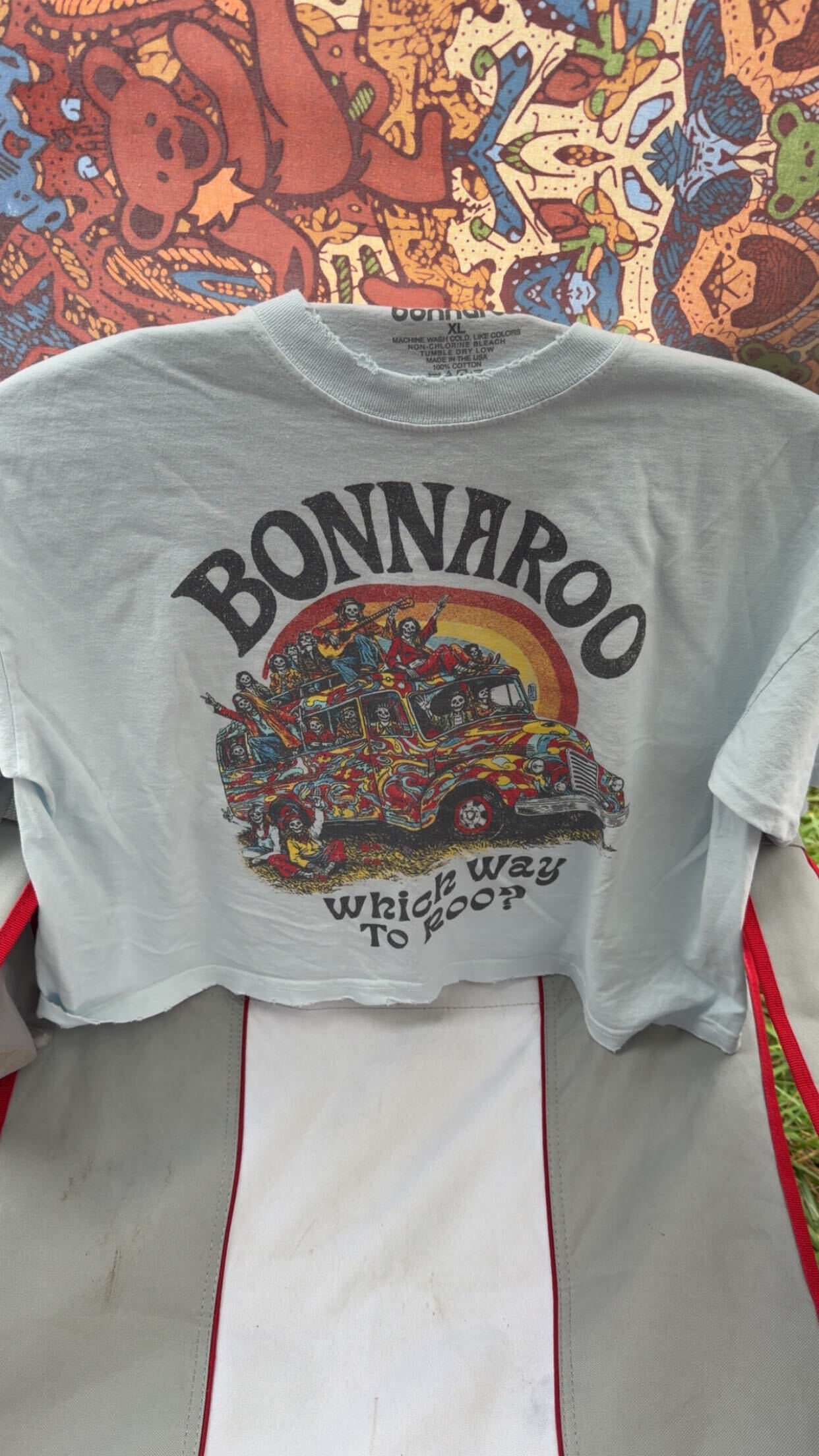
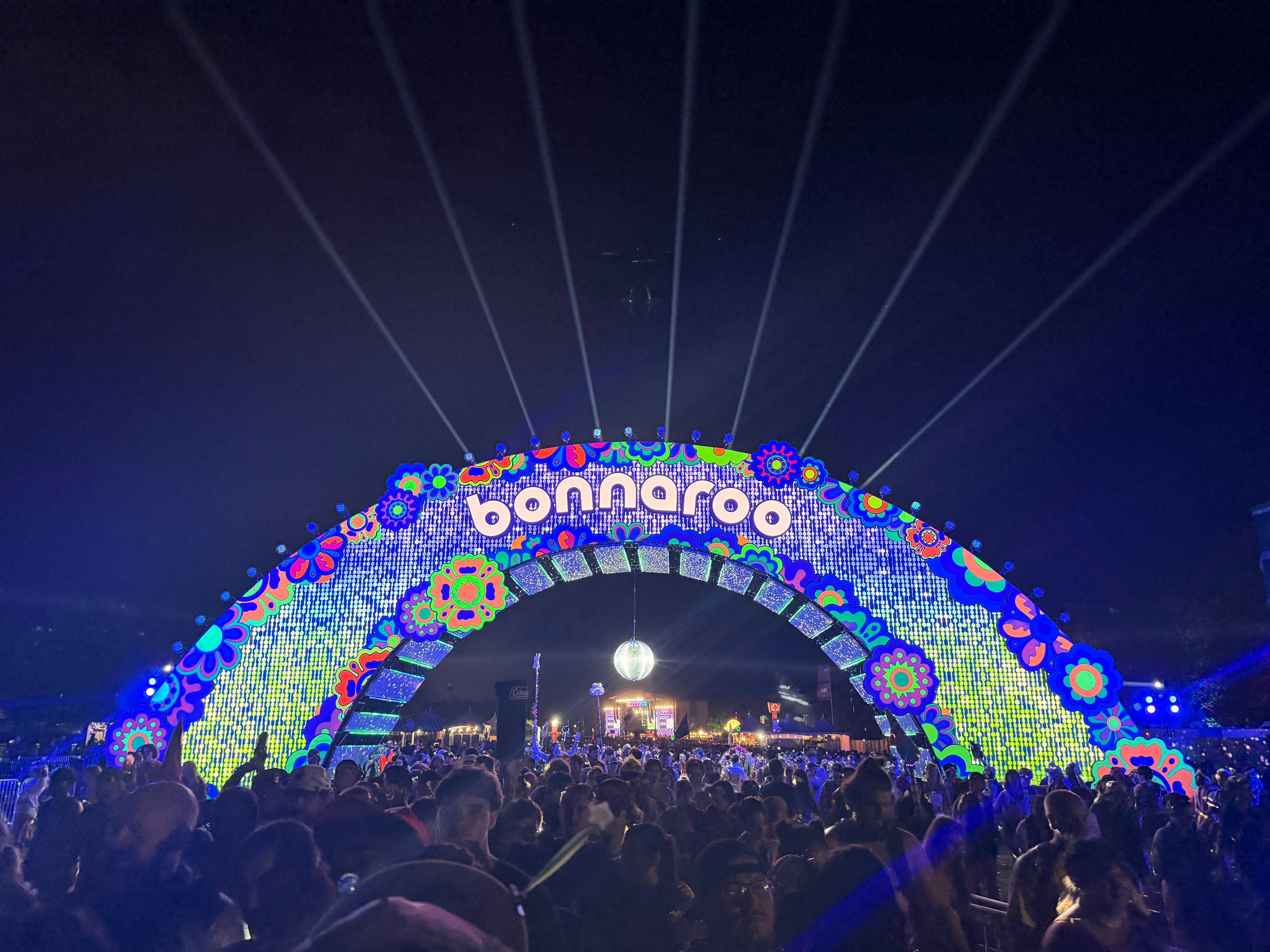
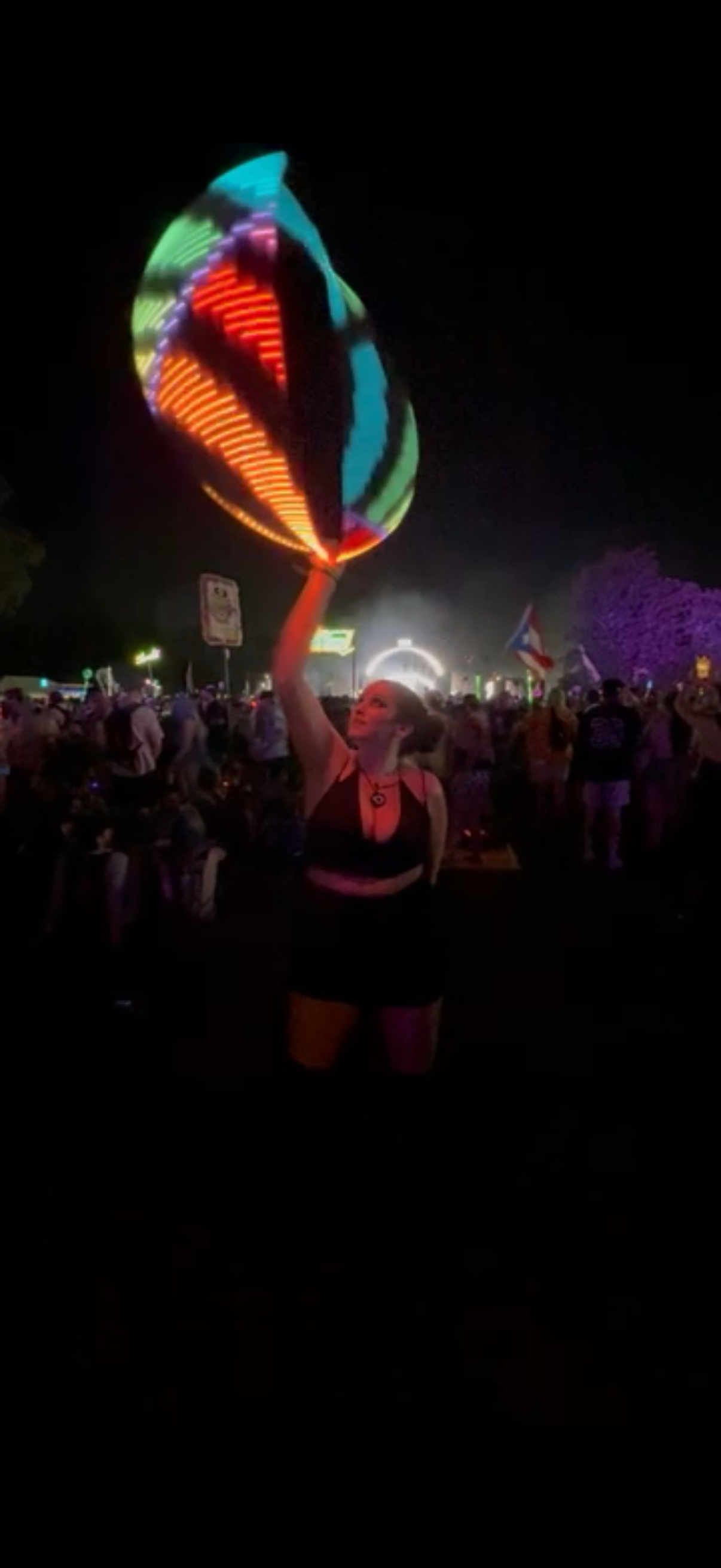
Bonnaroo Music and Arts Festival in Manchester, Tennessee, has been a yearly escape from society for music lovers of all kinds. This is a place where friends come together year after year to make new memories, new friends, find new and upcoming artists, and even seek out personal growth. During my attendance in 2025 and 2026, I fully embraced the warm and sunny culture of the festival. My friends and I packed all of our gear and set off on an adventure to a new community, and we came home with a lifetime of memories. We got to see and partake in what Bonnaroovian resilience is all about. Side-splitting laughs were had, new people were added to our squad, and new expectations over what we want from a festival were set, even for those of us who are seasoned festival veterans.
Despite the positive experiences I had at the festival, it was difficult to ignore the rumbling discontent among some festivalgoers. In recent years, Bonnaroo has become a topic of controversy among its fans and patrons. The festival has faced backlash due to multiple cancellations and poor planning for the venue and attendees. This year, several months after the festival ended, Bonnaroo announced that it would be taking a hiatus in 2027. Bonnaroo’s sabbatical year is the best thing that could have happened to the festival; it provides a chance to improve conditions on the farm, which will lead to increased patron safety, and the sabbatical allows its organizers to take accountability and repair the public’s trust in them.
Festivals serve the community not just as musical events, but also as cultural events. The Festive Owl, an anonymous online commentator who reports on festival experiences and culture, remarked in a recent interview with the journal that trust in the festival setting matters.
“These experiences matter, both culturally and personally,” Owl said, when describing festival-goers’ relationship to festivals. “But that also means holding the organizations behind these events to a certain standard and expecting them to deliver on what they’re charging consumers for.”
Established in 2002 and named Bonnaroo (Creole slang for “a really good time”), the festival has been held nearly every year for the last 24 years. At its roots, ‘Roo, as it is commonly called by its attendees, is a rock and jam-band festival that built its community and ideas on the mantra: “Radiate Positivity.” The mantra was eventually codified into the culture of the festival with the creation of “The Bonnaroovian Code”— a set of community guidelines that every patron is expected to follow.
Over the years, ‘Roo has expanded into a multi-genre and mainstream event. With attendance topping out around 100,000 in some years, Bonnaroo is not a small event. In 2019, Live Nation took over a large portion of shares in the festival; some fans argue that this is where the issues began. As a veteran festival-goer with nearly a decade of experience and a two-time Bonnaroo attendee, I have witnessed some of these issues firsthand and can verify that these problems require immediate attention.
Out of the last six years (seven, if you’re already counting 2027), Bonnaroo has announced cancellations four times. The first cancellation was in 2020 and was due to the COVID-19 pandemic. Attendees didn’t hold the 2020 cancellation against ‘Roo’s organizers. Then, another cancellation was announced in 2021, this time, due to severe weather and flooding as part of Hurricane Ida. This cancellation came two days before the event was to take place, but less than 24 hours before the camp grounds were set to open. As a result, many fans learned of the cancellation while mid- travel and had to quickly make other accommodations or turn around to return home. Depending on the travel type and where people were travelling from, this cost some attendees extra hundreds, if not thousands, of dollars in travel expenses. As a result, Bonnaroo guaranteed 100% refunds, and in March of 2022, Bonnaroo announced that it was improving drainage and layout planning to help the farm better withstand future weather events.
Years ’22, ’23, and ’24 passed with no major concerns; however, in 2025, Bonnaroo faced another cancellation, but this time, it was more devastating. On the Friday of the festival (one day into the sold-out event), the venue suffered severe flash flooding due to an afternoon of thunderstorms. Many patrons in heavily flooded areas had to be evacuated, while others were asked to stay if the conditions of their campsite allowed it. Again, attendees were offered refunds but at a rate of only 75% of the ticket value. After public outcry on social media, pressure from the attendees, and a Change.org petition with over 6,000 signatures, 100% refunds were given and infrastructure improvements were promised for a second time.
Although 2026 was not cancelled, some acts were delayed or cancelled due to pop-up showers, and Centeroo, the venue, not the campgrounds (Outeroo), had to be evacuated for several hours. Before the festival, Bonnaroo released a series of videos showcasing the improvements that had been made to the farm in the off-season from ’25 to ’26. Even though the improvements were noticeable, there were areas that left something to be desired. Finally, after the 2026 event came to an end, the hiatus for 2027 was announced in August. Through all of these cancellations, Bonnaroo has cost its fans money for travel and supplies as well as time for preparations and travel, PTO hours that cannot be recovered, and heartbreak from repeated letdowns and half-empty promises of a brighter future for the festival.
“I think there’s a certain social contract between festivals, organizers, and the communities that support them,” Owl said of the issues ‘Roo has faced recently. “Everyone has a responsibility to one another, and that includes being willing to have the difficult conversations when things aren’t going right.”
One threshold that the organizers push year after year is the capacity of the land. As previously mentioned, flooding regularly occurs on the farm. In 2021 and 2025, ‘Roo promised to plant more Bermuda grass to combat flooding, and to help with mud. This improvement was in fact included in the video series prior to 2026; however, upon arrival, it was clear that the area around the main stage had not been sufficiently prepared for the amount of foot traffic that the area was to have. With attendance in the tens of thousands, any chance of rain would transform the area into a dangerous mud pit, which did in fact happen. It is issues like this that directly support the idea that conditions on the farm need time to improve.
There is no such thing as short-term sustainability when hosting an incredible event like Bonnaroo: there has to be a commitment to long-term regenerative practices. When asked about the long-term sustainability on the farm, The Festive Owl brought into focus Glastonbury Festival of Contemporary Performing Arts, held in the UK. They explain that Glastonbury has been a success for more than 50 years, but that success did not come without its struggles like rain and mud, similar to Bonnaroo. One practice that they have incorporated over the years is regularly taking time off to allow the festival grounds to recover.
“I don’t necessarily think sustainability means finding a way to host a festival every single year, no matter what,” Owl said. “Sometimes it means recognizing when taking a break is actually the best thing for the long-term health of the event.”
Not only are Bonnaroo organizers responsible for managing the conditions on the farm; they also have to consider proper safety planning and the direct effect that those plans have on staff, vendors, and attendees. In 2025, ‘Roo debuted a new stage in Centeroo called the Infinity stage. The stage was designed as an open, 360- degree spatial audio setup that was meant to simulate the audio experience at the Sphere in Las Vegas. Due to the lineup for the stage consisting of major headlining electronic acts, and with a capacity of 2,500 (2025 attendance was estimated to be 70,000 to 80,000), many attendees raised concerns on various social media platforms about overcrowding and safety after the first night of the festival. Bonnaroo addressed this concern by not bringing the stage back in 2026. With 2025 being a sold-out year, another concern at the festival was a lack of proper road access for patron evacuation, emergency service access, and to bypass flooded areas. Prior to the 2026 event, organizers added 4.5 miles of new access roads. This improvement shows the potential that better planning and safety could have on the festival’s future. These changes are the type that should be made while the festival has this time off.
“Giving the land time to recover, attendees time to recalibrate, and organizers an opportunity to make meaningful improvements and handle general maintenance without the pressure of turning around another event immediately,” Owl added.
Without the necessary time off and repairs made to the farm, this cycle of disappointment will continue to play like a bad song on repeat until the fans stop coming. This sabbatical will provide a reprieve that Bonnaroo, its organizers, and the fans desperately need. This bye-year is essential to heal the farm and to heal the trust in the community.
“The festival space is in a very precarious position right now, especially when it comes to multi-genre events,” Owl pointed out. “More than ever, we need the Bonnaroos of the world. We need places where artists can grow, take the stage, find new fans from all walks of life, and bring people together through shared experiences that simply can’t be replicated anywhere else.”
As a patron myself, the future that I want to see for Bonnaroo is one where its organizers radiate accountability year after year and provide a logistically safe festival for everyone. It only makes sense that we hold the organizers to the same community guidelines that we hold ourselves to. From the farm and beyond, the Bonnaroovian spirit will continue to prevail in the face of adversities. We will all be back on the farm in 2028, but until then, radiate positivity!