
By Olyver LaGabed, Special to the Journal
For many, lockdown drills are no stranger. Especially for students, who’ve stepped into the routine of being under constant threat of something always being possible. Students have learned that schools will never truly be 100% safe, which is why they know that when alarms go off, it’s time to lock the doors, turn off the lights, and step away from all windows. Still, no amount of practice threats can prepare anyone for the panic of a real threat – or, in this case, a poorly communicated practice threat.

On March 31, at roughly 9:50 a.m., Pellissippi State Community College students on campus left their classrooms to alarms blaring as a pre-recorded voice over the intercom told students to do what they’ve always practiced: lock the doors, turn off the lights, and step away from any windows. And while, yes, that is very standard for practice drills, what the pre-recorded voice failed to mention was the fact that this lockdown was a drill, leading many students to believe that they were in genuine danger.
Despite Outlook emails coming in during and after the lockdown from Pellissippi State (emails informing students of the true nature of the lockdown), students were still actively distressed. Many did not bother to check their emails, as most assumed all the information they needed was being given to them over the intercom. This left students feeling shaken up, even after their safety was confirmed. Furthermore, the lack of clarity in instruction revolving around the lockdown drill also generated confusion – with many students believing that they needed to head outside in preparation for a fire drill or something similar – which, in the case of a real lockdown, would’ve actively put students in danger.
All of this is to say, many students felt that the March 31 lockdown drill was poorly organized, poorly run, and ultimately did more harm than good; if this is the way Pellissippi State is going to handle lockdown drills, one can only imagine the catastrophe a genuine lockdown would be. Not to mention the personal ways in which the lockdown unnecessarily impacted and upset students.
One of the many gripes students voiced over the drill was the sound of the alarm they used, and the way the sound had repeated over and over and over again for roughly 5-10 minutes. Five or so minutes of a piercingly loud alarm may not be cause for concern to everyone, but for those who are neurodivergent or otherwise suffer from some level of auditory sensory issues, the alarm was unnecessarily loud, repetitive, and (frankly) painful.
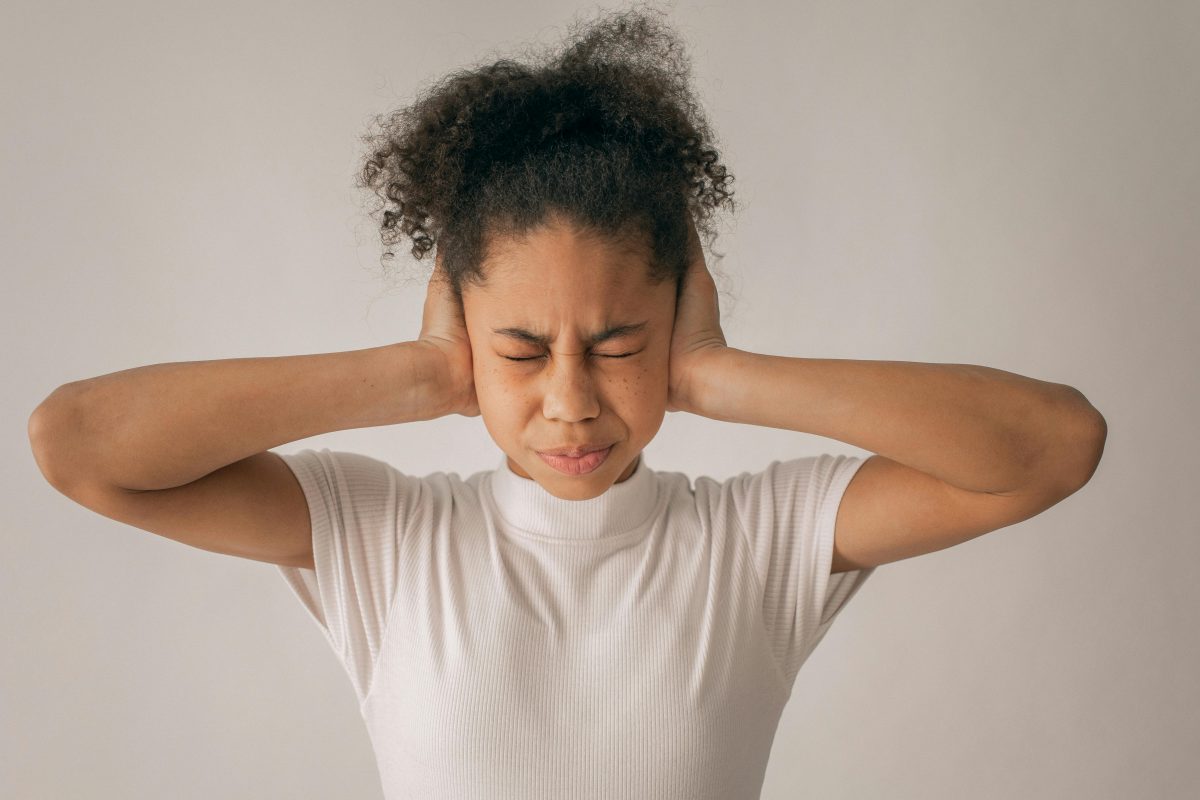
The alarm was unnecessary – it could’ve been sounded once, and it would’ve had the desired effect of grabbing student attention. The alarm could even be considered misleading, as the only drills that famously have alarms are tornado or fire drills, one of which involves students wandering outside, which, again, is incredibly dangerous for any student to do in a lockdown scenario. Generally, the students felt the alarms were uncomfortable at best, and painfully misleading at worst.
There is also a large population of students attending Pellissippi State who are veterans, many of whom may struggle with PTSD from their service in the military. That is to say, many students may have been triggered by the loud and repetitive nature of the alarm itself. This makes an already uncomfortable situation downright unsafe because of the school’s negligence towards the lockdown’s design.
When considering the lack of emergency taking place, there is no reason for the lockdown to have sounded the way it did. If there were a true emergency, one could argue that having alarms of that nature (or just handling any lockdown with that level of confusion) could be just as, if not more, dangerous than having no system set in place at all. When people panic, they become unaware of their surroundings. Deafening students with painful alarms and blindsiding them with a surprising lack of information is not, and should have never been, the method used to conduct any type of lockdown – especially a practice one.
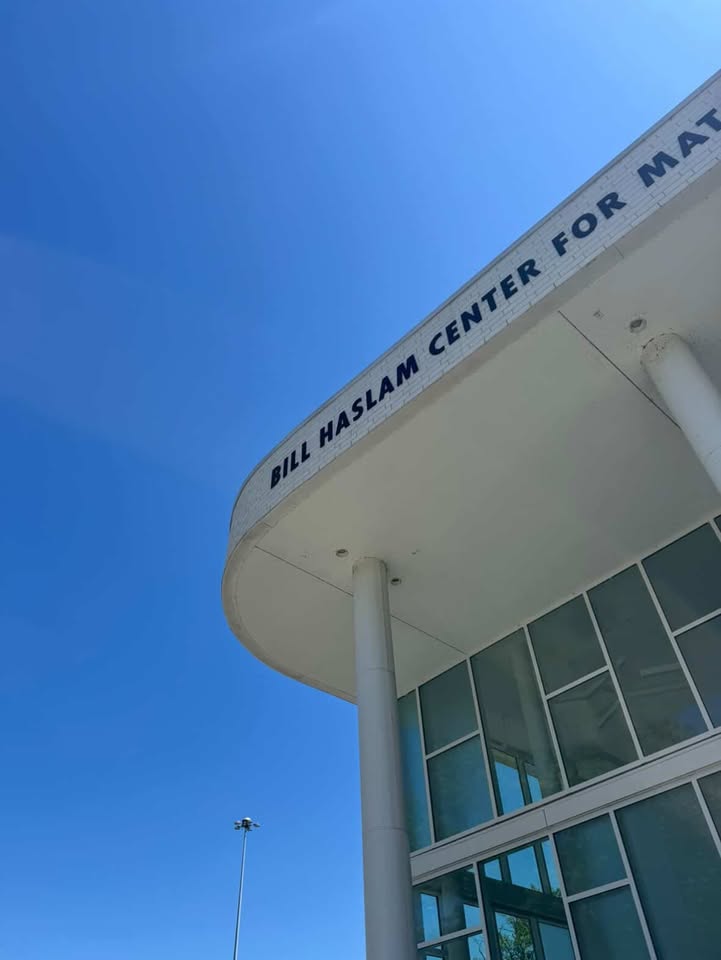
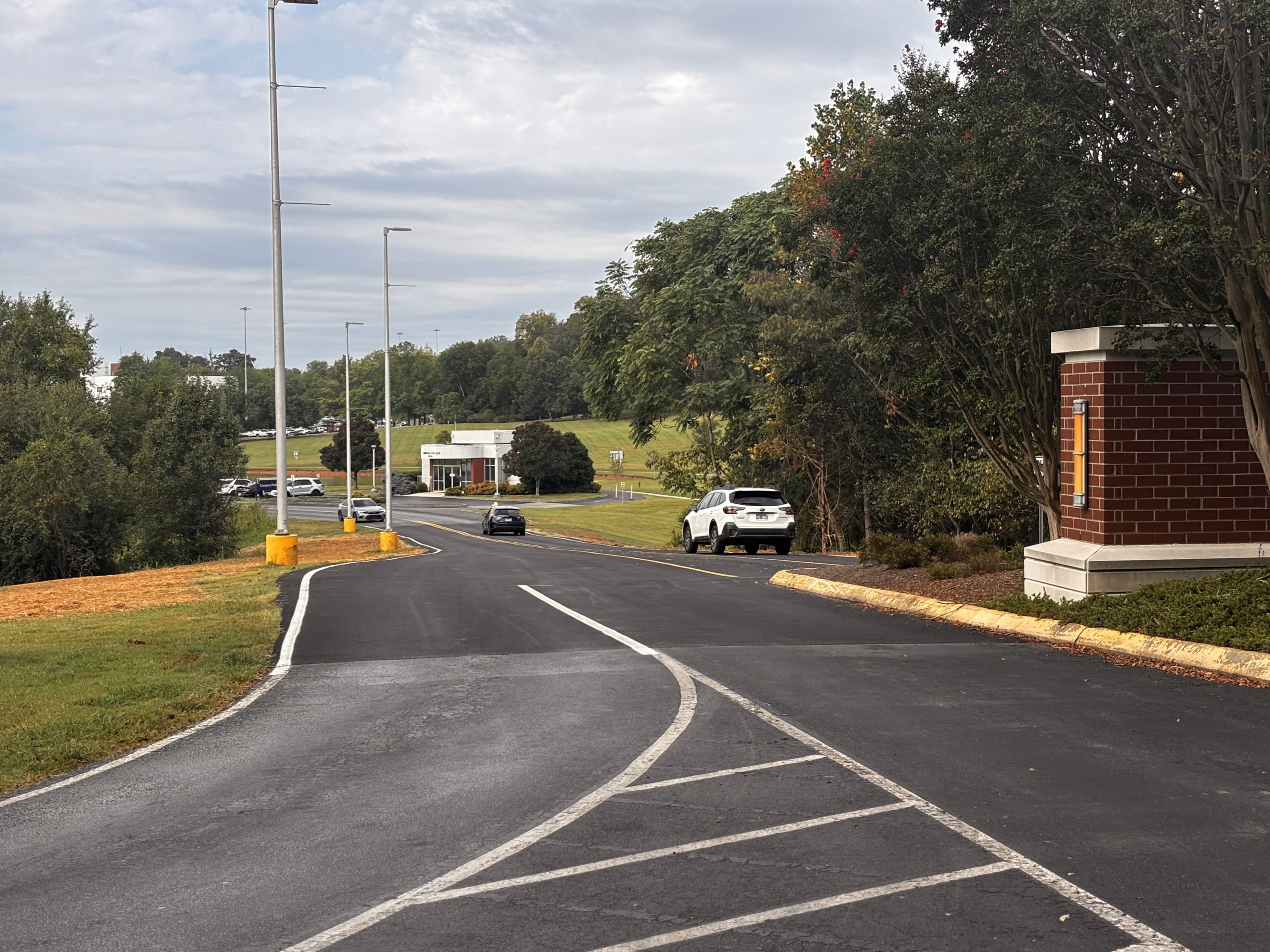
So, what should change? What can the Hardin Valley campus do to better ensure the safety and comfort of its students, even when tackling dangerous situations? For starters, changing the alarm sound. Seriously, if students have to endure 5-10 minutes of a sound blaring at full volume, it should at least be a bearable one. And if not changing the alarm sound itself, then simply reducing the number of times it repeats is enough. Honestly, in my own opinion, I don’t think it’s necessary for the alarm to play more than once every few minutes. Of course, the goal of a lockdown drill isn’t to uphold the comfort of students, but the goal equally shouldn’t be to send students into a panic.
And if not the alarms, then the one thing that absolutely needs to change is the level of communication happening during lockdown drills. If there is no difference between a lockdown drill and a real lockdown, then there’s no telling how students will react. Will students listen to and trust the alarms, or will they leave campus? Even worse, will they dismiss warnings entirely until it’s too late, just based on the fact that every other alarm has been a red herring until now? There needs to be some kind of clarification, something to tell students whether or not their lives are actually in danger. Sure, there’s a possibility that lockdown drills might be ignored a whole lot more, but at least students will know when the real ones are happening.
In summary, the way the Hardin Valley campus is handling lockdowns does not at all contribute to a safe environment in which everyone knows what to do in the case of an emergency – it does exactly the opposite, generating confusion in situations that depend on the awareness of both staff and students to ensure everyone’s safety. Fortunately, these issues aren’t impossible, and can really be solved just through clarifying the situation or designing a different alarm. One can only hope Pellissippi State will wise up after the disas-trophe that lockdown was; one can only hope Pellissippi State will learn how not to do a lockdown drill.