By Alexis Rodriguez, Special to the Journal
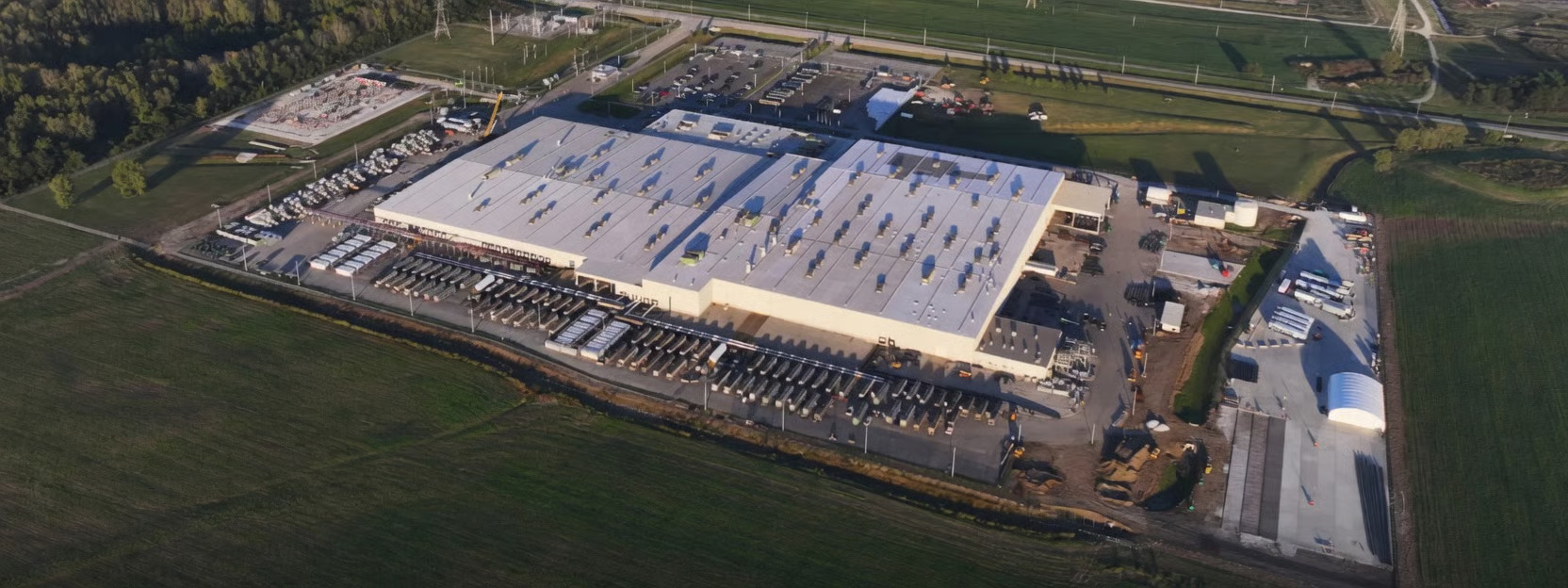
With the AI arms race showing no signs of slowing down and tech companies continually moving their operations to the Southeast and the Southwest, there is a modern-day gold rush to break ground on data centers and establish new tech startups. Tennessee now hosts the tenth-biggest data center on Earth, xAI’s Colossus 1. In total, there are 63 data centers in Tennessee, with 26 in Nashville, 13 in Memphis, and 11 in Knoxville. Knox County, however, passed a moratorium on June 22, which will stop the construction of any data centers for a year. With less than a year left, there is a large amount of information to consider with very little time to consider it. The data centers in Memphis serve as a warning as to what can happen when local government is unprepared.
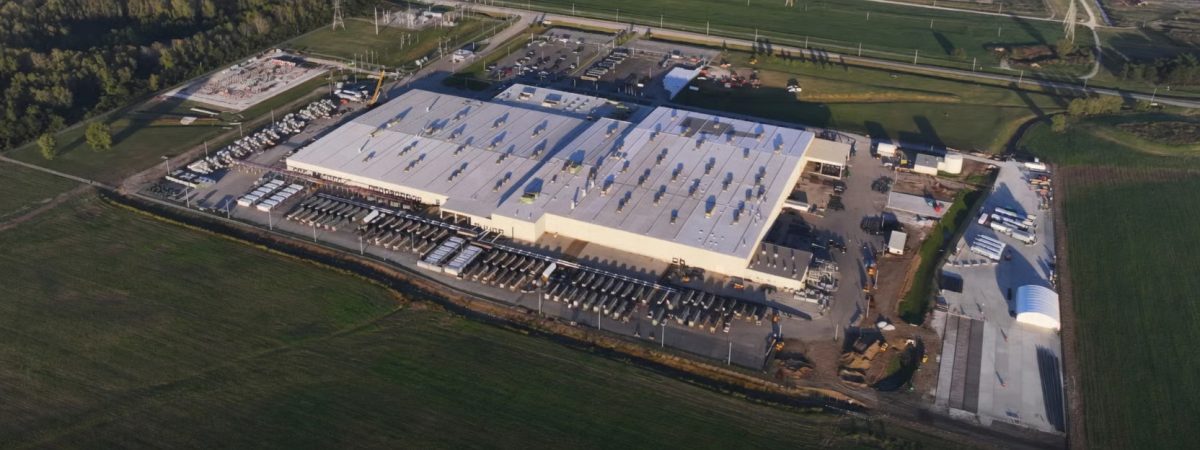
In June of 2024, the Memphis Center of Commerce announced to the city that xAI was building a data center. This, however, was misleading because xAI had already broken ground before this announcement and was only the beginning of seeing Silicon Valley’s motto of move fast and break things playing out in the real world. According to a report by CNBC that was released this July, Elon Musk’s Colossus 1 was originally allocated 8 megawatts of power per day by the Tennessee Valley Authority (TVA). This was not enough to feed the 300 megawatts that the facility needed, which, for reference, is enough to power 210,000 homes.
In response, Musk purchased 35 methane-powered gas turbines for which he was only given permits for 15; with DOGE gutting EPA funding last year and the EPA director leading deregulation efforts, there is little to no enforcement. Currently, Colossus 1 uses 13% of the Memphis power grid, and with the construction of Colossus 2, power demands will only increase, with Musk projecting the total energy needs will be a gigawatt (which could power 876,000 homes).
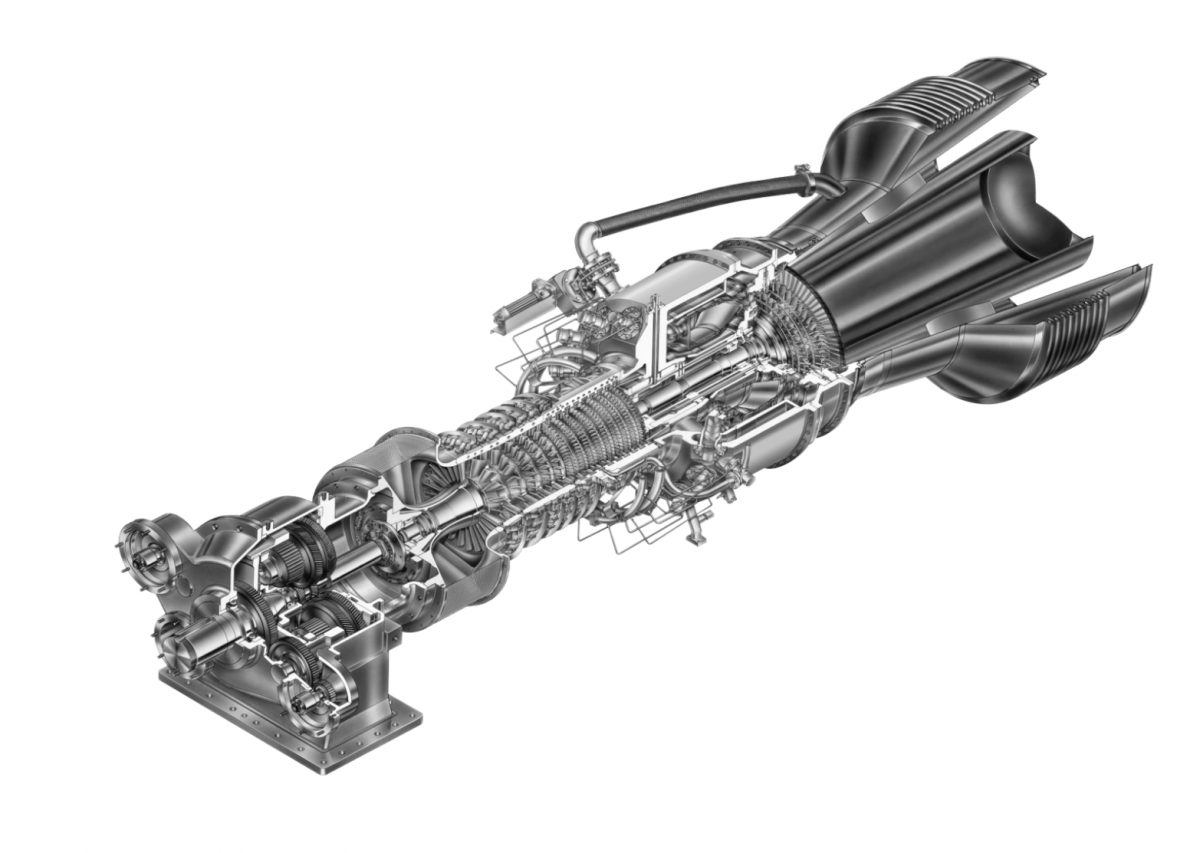
With this in mind, Musk has also built a power plant in Southaven, Mississippi, which is currently operating 59 methane turbines, only two of which have permits. This massive increase in gas turbine usage is increasing fine particulate air pollution and toxic fumes, especially considering state law allows for the production of energy using gas turbines with little local or state oversight. This, according to the CNBC report, is leading to an increase in emergency room visits for those with respiratory-related diseases and an increase in new cases of respiratory diseases.
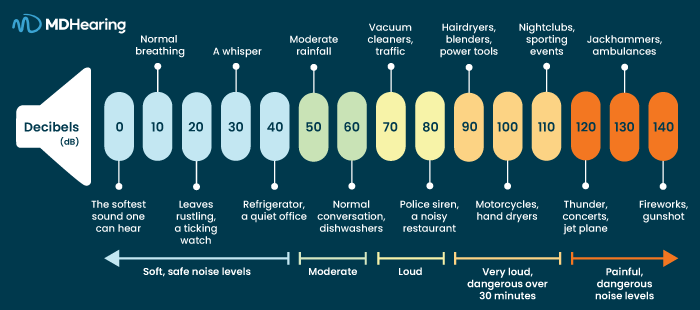
Noise issues are also common around data centers since gas turbines are a common way to help with power demands. According to a study by Roland, Woolworth & Associates, the closest neighborhood averages 70dBA of noise, the same level as a constantly running vacuum, which sounds like jet turbines. At 3,000 feet away from the school, the noise is 52dBA, which is about as loud as rain. This, however, only takes the environmental, or A weighting of decibels, into account; if you look at the C weighting of the decibel scale, which takes into account lower tones that aren’t always audible. Noise that exists below the range of human hearing is called infrasound, and even though it is silent, it can still cause physical issues because it has a longer wavelength; it travels significantly farther. According to several studies done by the National Institutes of Health, prolonged infrasound exposure can cause cardiac issues, increased stress, trouble sleeping, and vertigo.
The most talked-about aspect of data centers is water use because the computer hardware used to power and train models generates massive amounts of heat and, in turn, needs extensive cooling systems to keep it all running. Colossus 1 is currently using 1.28 million gallons of water per day, with roughly 1 million gallons (80%) of the water being turned to steam instead of simply being recycled back into the water system. Musk stated that he would build a wastewater recycling center to offset their usage, but that project was immediately halted in order to build Colossus 2, with plans to finish the water recycling center after it is finished. Projected water use after Colossus 2 is finished will be 5.8 million gallons of water daily.
The city of Knoxville has a considerable amount of work to do and a short time frame to decide what the future of East Tennessee looks like. Emerging technologies as a whole are always disruptive, but AI is unlike anything that has come before it, with advancements happening faster than the government can keep up, leaving the public to deal with the aftermath. There is a larger nationwide push by 12 states in order to regulate how data centers are built and to minimize impacts on local communities while still allowing for the benefits of job creation, but Tennessee is not one of them. Legislation is being passed at the local level in order to restructure laws, and there is a larger statewide push against large tech companies. It is possible to protect Tennessee’s natural resources while still allowing for emerging technologies to be used responsibly to help grow local economies and support scientific and medical research. But it will require support and public advocacy for the city to continue the stand against data center construction.