By Sean Bishop, Special to the Journal
Since I was a kid, summer and blockbuster movies went together like hot apple pie and vanilla ice cream. I very vividly remember going with my dad, multiple times through the summers, to see the latest superhero, action-packed adventure, or epic sci-fi movies. Studios such as Disney or Warner Bros have dumped hundreds of millions of dollars into these movies, hoping that the big flashy spectacle and recognizable franchises would bring people in time and time again, and until recently they were pretty much right on the money (no pun intended). However, while these movies still attract audiences, in recent years a new challenger has stepped into the ring: independent horror.
As I write this article, I feel I must be honest and up front and say that I may be a little biased, as I am a huge fan of most horror movies, especially the independent, “art house” horror movies. These movies seem to be the last frontier of original storytelling, creative and innovative filmmaking, and a safe platform for up-and-coming talent. Movies such as Obsession or Backrooms are redefining what summer blockbusters can be.

One of the most glaring reasons indie horror movies are gaining in such popularity is that the audience seems to be suffering from franchise fatigue. After years of superhero movies, sequels, prequels, and remakes, it’s clear that people are craving something new and different. While your typical blockbuster relies on the familiar formulas and interconnected cinematic universes spanning 30 or more movies, indie horror movies often take creative risks. These films tend to introduce new concepts and visual styles and can sometimes leave the audience discussing theories long after the credits roll.
Another advantage these indie horror movies share is financial efficiency. Traditional summer blockbusters are made with incredibly large budgets, typically ranging from 200-400 million dollars. Because of these massive investments, they must make hundreds of millions of dollars just to break even. Independent horror movies are often produced for 10-30 million dollars, and sometimes even a fraction of that, so even a moderate box office success can make these movies highly profitable.
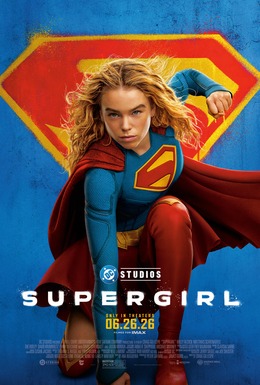
For example, from this year’s summer theater drops, Obsession had a budget of only $750,000 and made $426 million in sales, and Backrooms had a budget of $10 million and made $364 million in sales; at the same time, according to Rebecca Rubin in her Variety article, “‘Supergirl’ Braces for $100 Million Loss: What DC Studios Should Learn From Its Box Office Bomb,” Supergirl had a budget of $170 million in filming and another $120 million in marketing and only made $115 million in sales. Even Steven Spielberg’s new movie, Disclosure Day, had a combined filming and marketing budget of $195 million but only made $229 million in sales, as reported by Box Office Mojo. While technically profitable, no studio would claim that as a summer blockbuster success.
Along with financial efficiency, social media has also changed the playing field for how movies become successful. Years ago, studios relied on big, flashy billboards and action-packed TV commercials to attract an audience. Now platforms like TikTok, YouTube, Reddit, and Instagram allow the audience to become marketers for their favorite movies. Review videos, theory discussion posts, and viral reaction clips can generate excitement for a movie that rivals traditional marketing campaigns. This type of online engagement is especially effective for horror films. Movies like Backrooms originated from a horror forum site, which then blossomed into a multitude of YouTube short films. From there, indie production company A24 hired the original content creator, 20-year-old YouTuber Kane Parsons, to write and direct the smash hit released in theaters in May of this year.
Fear not, my fellow moviegoers; this does not mean that traditional blockbuster movies will be fading to black anytime soon. Big-name studios and their massive franchises still earn billions of dollars worldwide and remain an important part of the film industry. However, the definition of a “must-see summer blockbuster” is changing. Today’s audience is starting to crave originality, creative storytelling, and authentic filmmaking more than the biggest, most expensive production. I personally think this is a good thing for up-and-coming filmmakers, like the ones who recently participated in the Video Production Technology Student Film Festival, a campus event that Pellissippi State Community College conducted this spring. This event invited student creators to showcase their films in a public setting, and I am hopeful that this event will continue in the coming years. By providing artists with a place to present their craft, Pellissippi State will be the stepping stone for more independent film creators to find success. These filmmakers are the people who deserve to be recognized in packed theaters in the summers to come.