
By Patrick Dobyns, Opinion Editor
As most of us are aware, with classes being cancelled on Monday, we just celebrated Labor Day! It’s not a holiday with heavily defined traditions like Christmas or Halloween, except maybe hosting backyard barbeques. Regardless, it is one of the major holidays where almost every form of business is closed for the day, with the exception of essential businesses such as hospitals or food vendors. When talking to some other students about it, though, I found that most people tend to forget about Labor Day, or don’t even know what it’s for. So I want to take the time to explain this festive season and why the way the United States celebrates it is so odd.

Origins
As the name might imply, Labor Day has its roots in the labor unions, which arose with the heavy industrialization of the nineteenth century. For a long while, industrialization was essentially a free-for-all, rapid expansion of corporations which had little regulation or codification. Wages were not set, safety had no standards, and children were just as valid in the workforce as adults – even favored in some cases. In short, workers had no protection from the government while oligarchs could do just about whatever they wanted. This was called laissez-faire capitalism.
It didn’t take long for the exploited workers to realize that they far outnumbered the oligarchs. They also saw that the factory owners needed manual laborers much more than workers needed the owners. Many of them organized into labor unions and demanded fair pay and safety regulations; otherwise, they would simply walk out and strike. This was met with… mixed success. While the factory owners and oligarchs did not have the sheer numbers that comprised the unions, they could purchase the services of strikebreakers like the Pinkertons, or use their wealth to leverage local governments, or even the federal government, to use force to get the workers back in line.
This is not to say that the unions were totally ineffectual. It is because of unions that we have such rights and guarantees as child labor laws, a federal minimum wage, and federal safety regulations, along with workplace inspections by governmental bodies to make sure they are compliant in all these regards. Still, the journey was not an easy one, as evidenced by the Haymarket Affair in 1886. On May 1, a general strike was called in support of an 8-hour workday (another guarantee that was eventually won by unions), and workers from a Chicago automotive plant picketed outside the building. A few days later, two strikers were shot and killed by police. The following day, May 4, a demonstration in the city’s Haymarket Square was held in support of an 8-hour workday (another hard-fought battle that unions eventually won). When police showed up to disperse the rally, a bomb was thrown into their lines. The bomb, and the shootout and riot that occurred as a result, killed thirteen – seven officers and four civilians – with over seventy others injured.
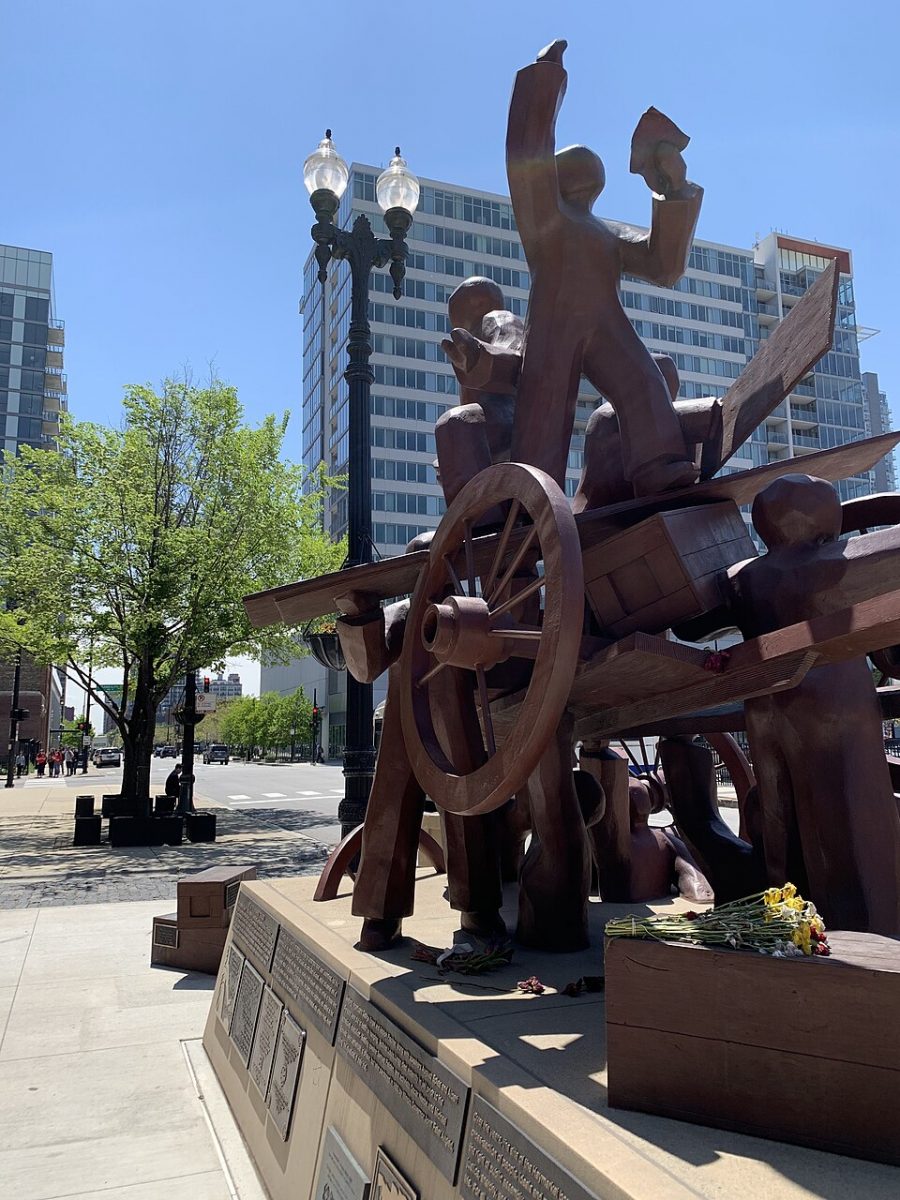
The trial for the Haymarket Affair, as it came to be called, was a spectacle that took over the world. Eight Anarchists were convicted, though none were the ones who threw the bomb, and four were executed by hanging, the rest serving life sentences in prison. The American Association of Labor and the International Workers Congress commemorated the day the strikes began, May 1, as a day to remember those who gave their lives to pursue just treatment of all laborers.
Wait, but that Wasn’t in September…
The United States is a bit of an odd exception to international standards, as evidenced by our refusal to acknowledge silly things like meters or universal health care, and the day that’s held as Labor Day is no exception. May 1 is celebrated nearly globally as International Workers’ Day, but the US government was not keen on establishing a holiday that glorified those it had established as criminals, so Labor Day was not made a holiday until 1894. President Grover Cleveland, during his second term, declared the first Monday of September to be the federal holiday we celebrate today. The September date was another frequent day of organizing parades and demonstrations, going back a few years earlier than the Haymarket Affair. More importantly for the government, it avoided the more radical ideals associated with May Day.
The designation was really only a small token gesture to the workers’ unions. Days before the first Labor Day, Grover Cleveland had sent 12,000 soldiers to break a particularly difficult railroad strike, and the 8-hour workday which had sparked the whole controversy wouldn’t be adopted until 1938. The celebration of workers was, at the time, a hollow attempt at conciliation to stave off further riots.
And What About Now?
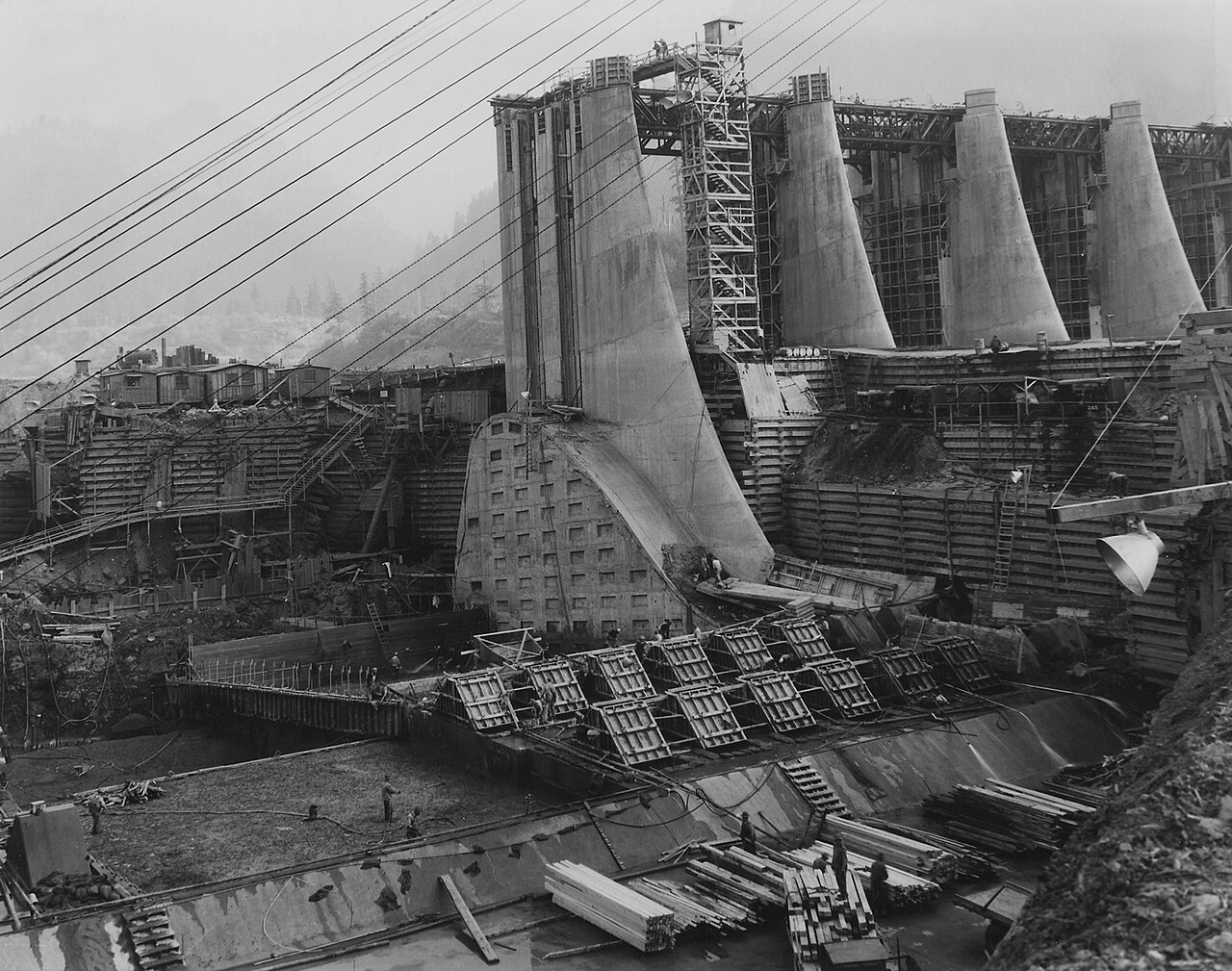
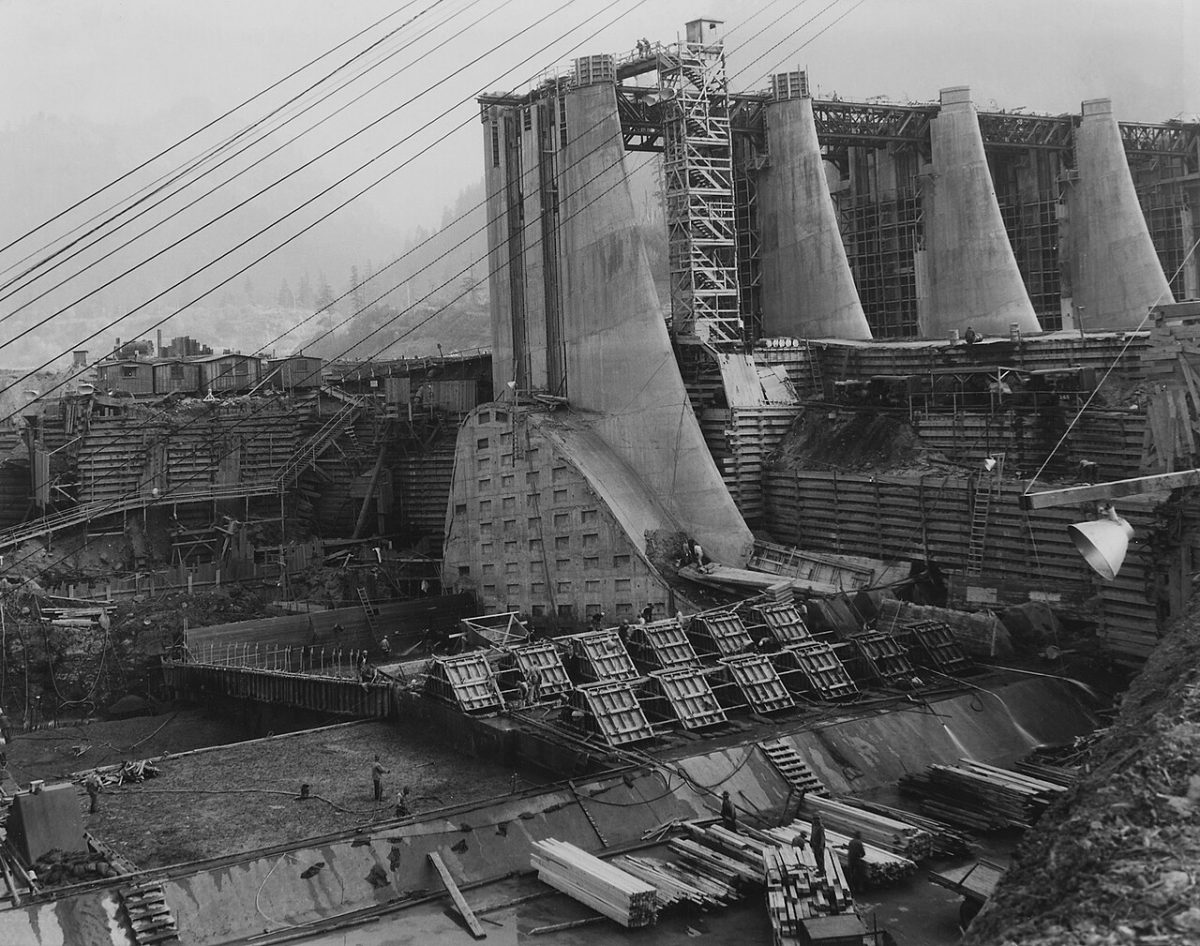
Real progress in terms of workers’ rights and guarantees would not be made until the 1930s and 40s, during the administration of President Franklin D. Roosevelt. During the Great Depression, President Roosevelt sought to lessen the wealth gap that divided Americans. With his New Deal, so many of the demands that unions had made for the past five decades finally gained federal support, including the 8-hour workday. A minimum wage was established to prevent employers from exploiting workers, the Fair Labor Standards Act was signed into law in 1938, and numerous social safety nets were established to keep workers from being financially dependent on their employers. It was these programs, along with the industrial boom that resulted from the Second World War, that pulled the United States out of the depression.
| U.S. National Archives and Records Administration
While many of these social safety nets have been dismantled by administrations such as Nixon and Reagan, Labor Day still stands as a reminder of what people can do when they band together. We live in a world where those with wealth wield enormous power, and the gap between them and us is wider than it has been since the 1920s. Had events like the Haymarket Affair or the Great Depression not hit them where it hurt the most, we would not have the rights we do today. Labor Day reminds us that, while the powers-that-be provide for our safety and financial well-being, it is only because David made Goliath kneel.
So happy Labor Day, everyone! Please remember why we’re here and what we can accomplish when we stand up together.