By Olyver LaGabed, Staff Writer
The workforce is looking pretty ugly for college students right now. A whopping 7.1 million U.S. citizens are unemployed, and that number has only continued to increase since March of 2026, according to the Bureau of Labor Statistics – and that 7.1 million doesn’t account for the number of citizens working jobs unrelated to their college education. Not for self-fulfillment, but purely for the purpose of paying off their student loans.
That being said, it’s a scary time to be a student right now. The road to the future isn’t as clear-cut as we’ve all been promised. How are students supposed to feel secure in our education if everything we’ve been taught about college might not be true at all? Why go to college at all if not for the security we’ve been promised yet aren’t receiving?
Whether a student is studying arts, science, or even a trade, unemployment rates are higher than they’ve ever been before, and that is startling. In all honesty, it can feel at times as if the workforce here in the United States is working against students rather than with us. See, the logic used to be that if you aren’t hired, it’s because you don’t have enough experience; and if you don’t have enough experience, it must be because you don’t have enough education – but now, the trends are showing that education doesn’t play quite as big a role as it used to. Now, it’s nearly all experience-based, and college students hardly have the time to earn that much-needed experience because we’re so busy trying to be educated (god forbid).
How are students meant to get experience in their field of study if no job will hire them without experience? This vicious cycle puts students in a position where they either have to have an in with the company or take an unpaid internship, yet most students can’t afford to waste their time not making money — not with bills, car payments, gas, and student loans. That creates an impenetrable wall between students and well-paying careers, especially in a field they are passionate about.
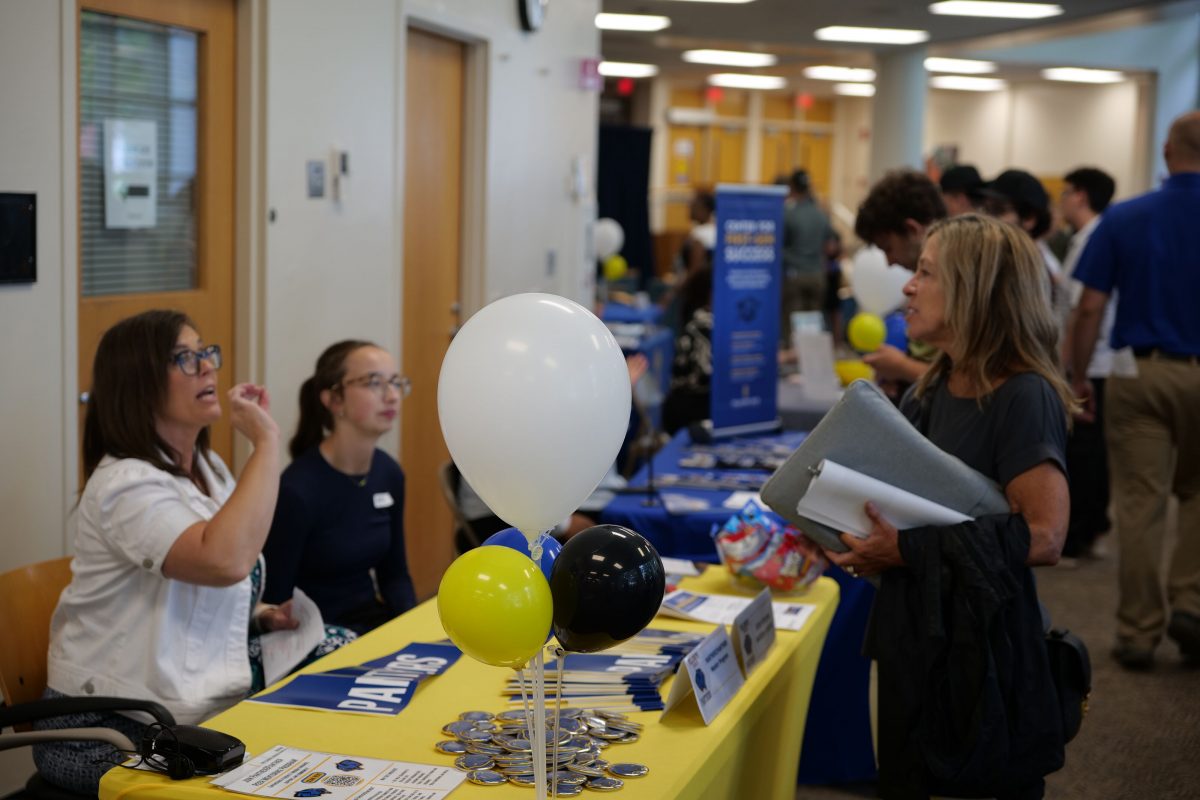
Luckily, Pellissippi State Community College has begun building its curriculum around classes, certifications, and assignments that directly help students gain experience early on. When asked about the ways that the theater program at Pellissippi State helps offer real-world experience, acting major Theadora ‘Teddi’ Rhodehouse had this to say:
“There’s actually a lot that Pelli offers to further my career, specifically as a theater student! The professors are amazing people to learn under, and there are a lot of classes and extracurriculars that further my studies, especially the stage combat course. It looks very good for an actor to have stage combat certification on their resume, and along with that, the acting, movement, and stagecraft classes are all amazing materials to add to your repertoire!”
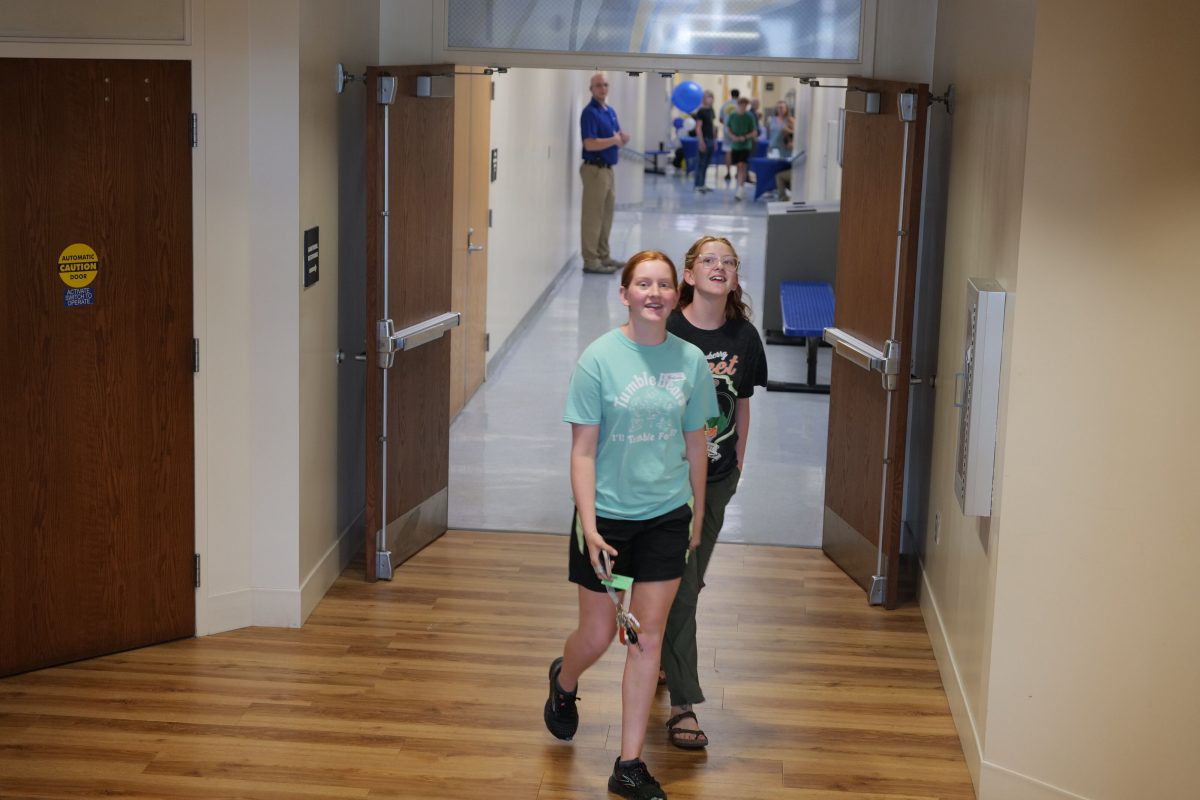
Certification courses aren’t the only things students are offered through Pellissippi State. There is also a trend of requiring internships for students in certain majors to graduate. Internship opportunities allow students to get their foot in the door and grow their resumes. Being able to list this experience makes students’ resumes more attractive to employers – making internships a graduation requirement allows students to incorporate these steps into their individual school lives without overwhelming them with the balance of work, life, and school.
It especially becomes easier to balance with on-campus internships that are offered by Pellissippi State – a popular one amongst these internships being our student-run journal Imaginary Gardens (the self-promo is subtle, I know). All jokes aside, Imaginary Gardens is always looking for volunteer writers, editors, and graphic designers.
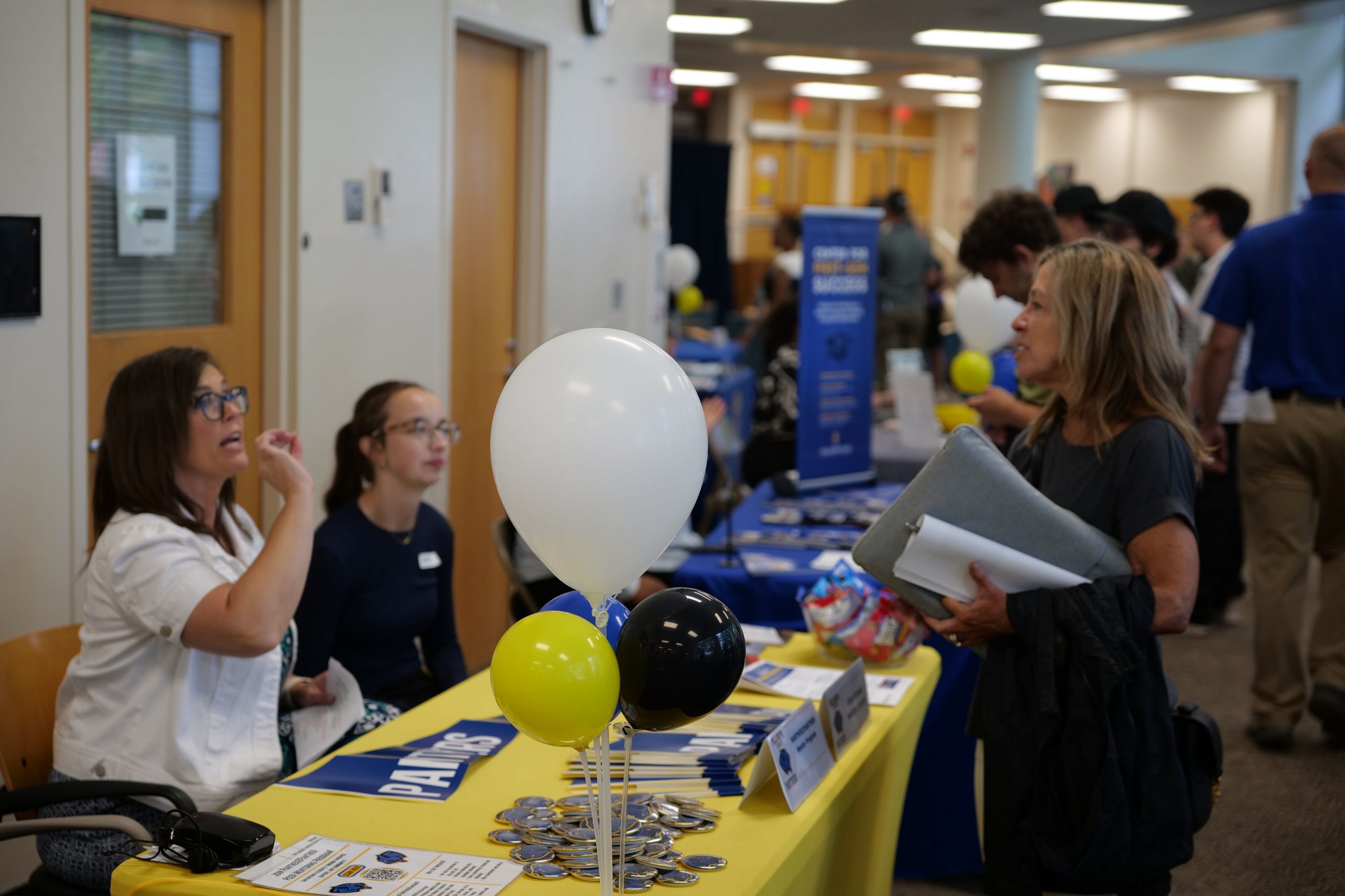
If that work doesn’t come across as interesting to you, there are always opportunities being advertised on campus through Pellissippi State’s Career Fairs. It also never hurts to email a professor or two and ask around – the people of Pellissippi State want to see you succeed.
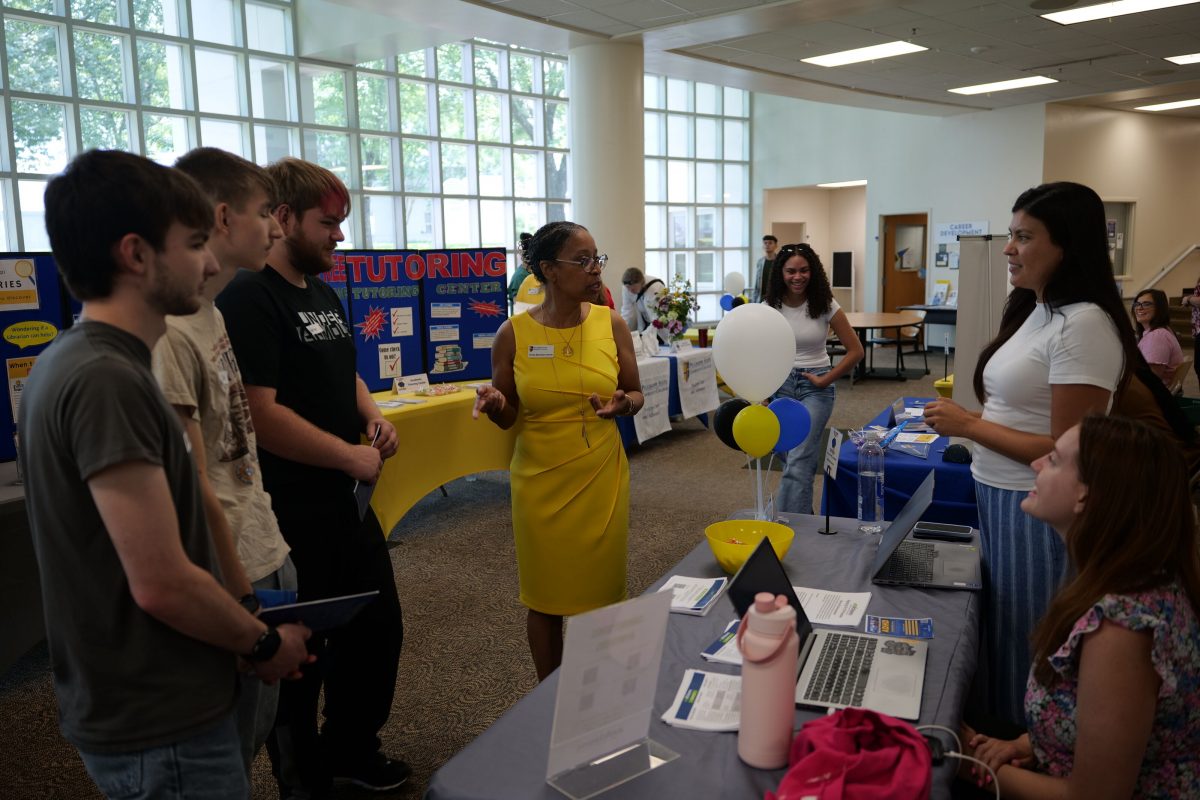
When it comes down to it, that’s really what makes the difference. The people who are offering certification courses; the people who are researching internships to advertise on campus; the people running career fairs – they’re all people who want you to succeed. The workforce should work hand in hand with students, bringing in new people, new ideas, and new passion. Hopefully, the continued support of those who care, like Pellissippi State, will help clear the path forward for students and inspire others to do the same.