By Addison Chrivia, Managing Editor
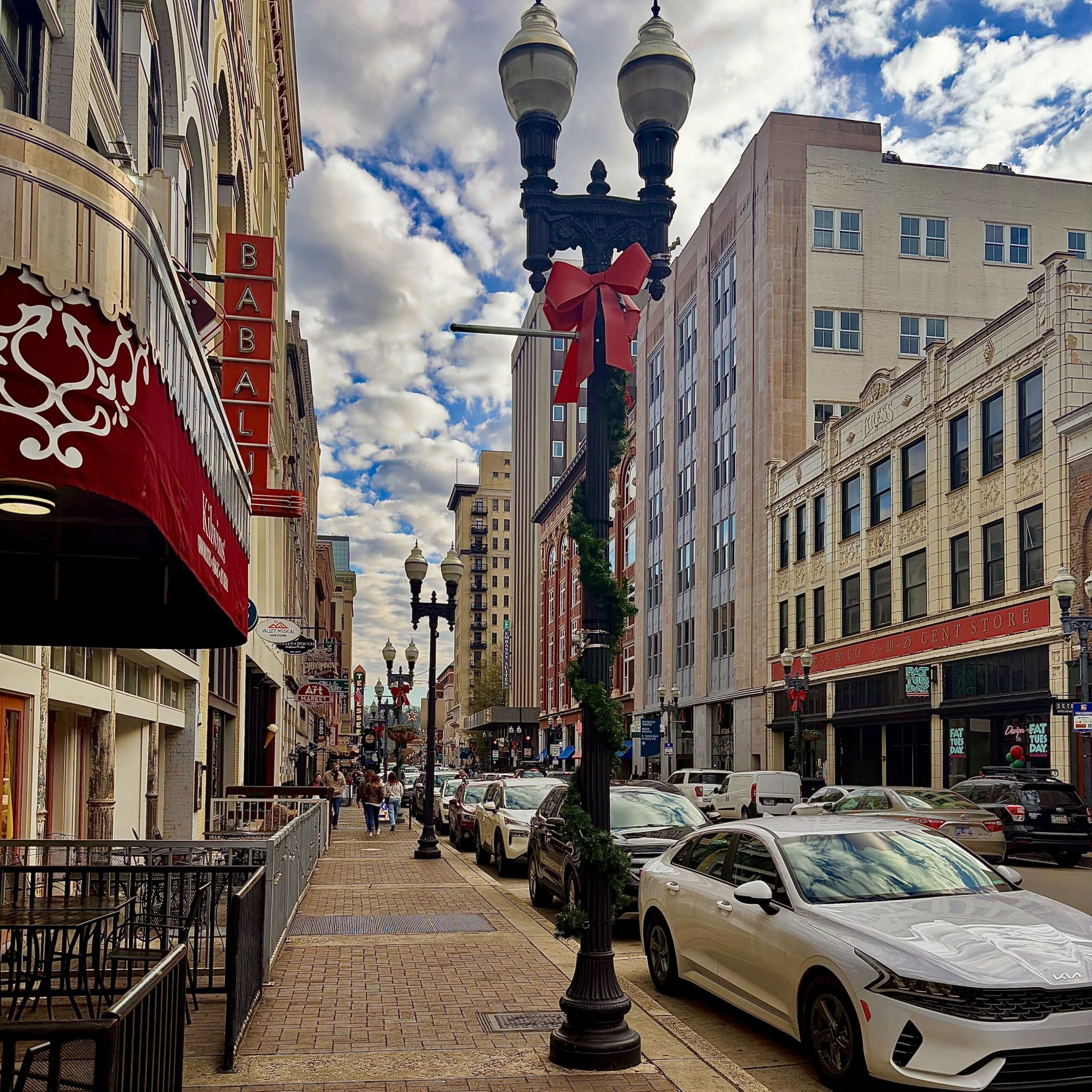
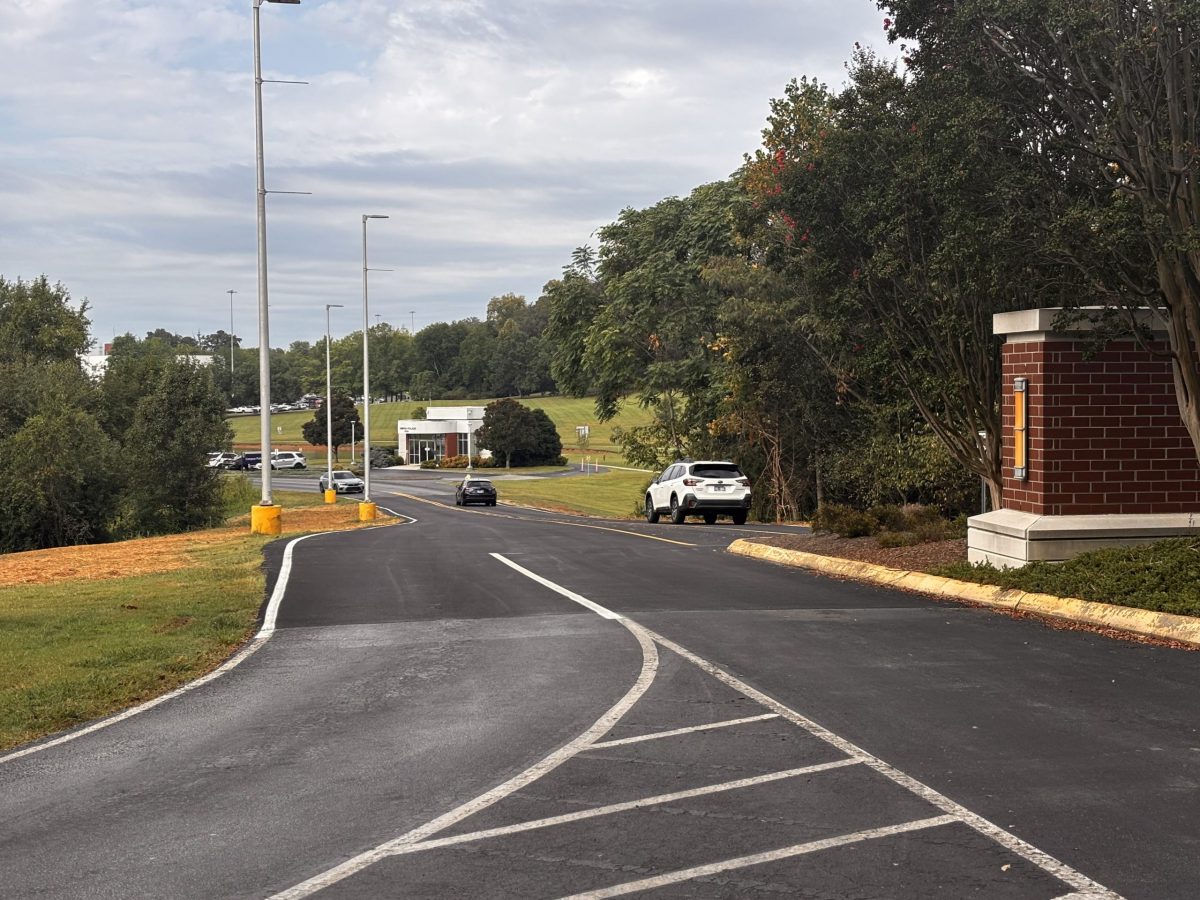
The Campus Police are a constant at Pellissippi State Community College, passing the station while driving into Hardin Valley, and seeing officers walking the many campuses. You may have even asked one to help you find a class. But what exactly do they do? How do you contact them? What kind of issues can they help with?
What do the Campus Police do?
Well, to put it simply: they keep students and staff safe. Chief Crowe states:
“We want everybody coming to campus, whether they’re students, employees, or neighbors walking their dog, to feel safe while they’re here.
They do this in numerous ways, from planning ahead with events, listening to reports, directing traffic, and walking the campus. They do everything from investigating thefts, making arrests
on campus, marking trip hazards on the sidewalk, and helping students find their classes.
Students can contact them through their phone number at any time, day or night. Their emergency line can be called at 865-694-6649, and their office numbers are 865-694-6646 or 865-670-6625. The campus police can help if someone has locked themself out of their car, their battery has died, if you’re lost, need medical help, see someone suspicious, something’s been stolen, or even if there’s a wildlife issue! Deputy Chief Shawna Williams says,
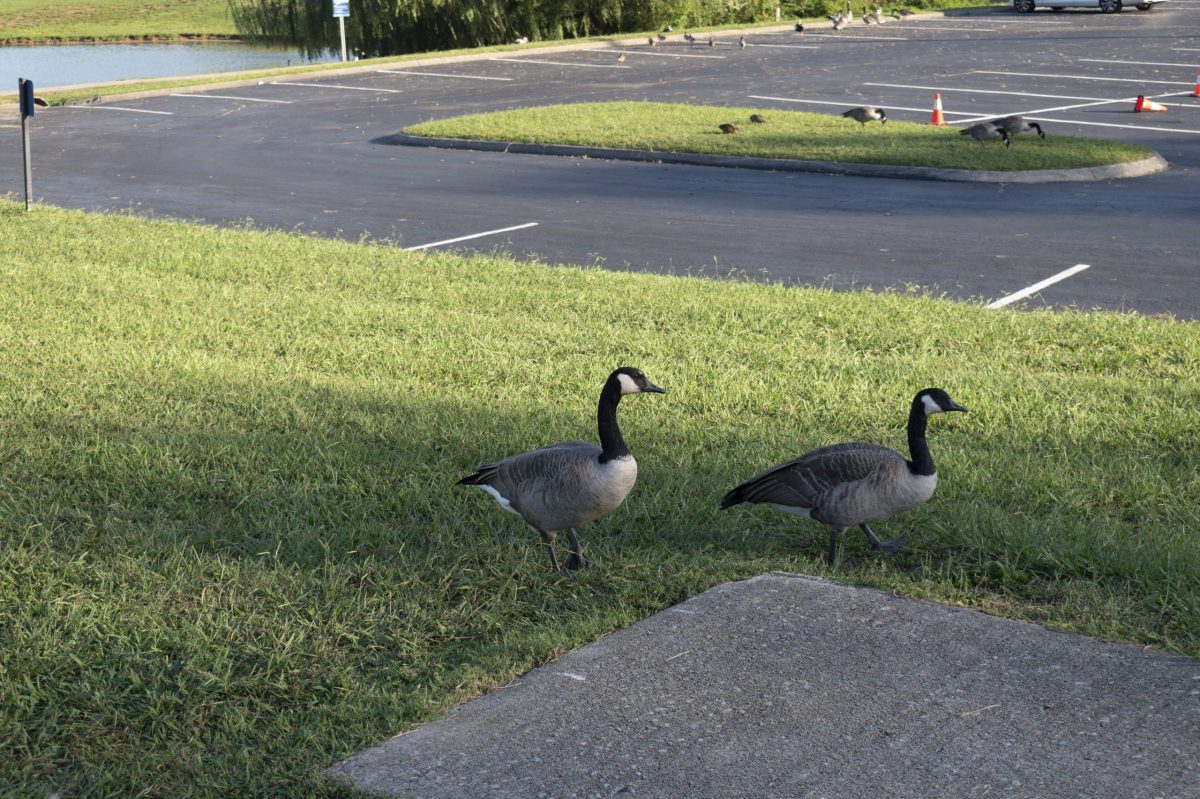
“We even care about the waterfowl and the different animals on campus. We had an occasion where there was a snake, and Chief is an expert wrangler of animals. And so we’re able to potentially rehab or figure out what we’ve got going on with the animals on campus.”
Chief Crowe has even been known to let waterfowl recuperate at his house. In fact, shortly after meeting with them, a student reported seeing an injured Canadian Goose; it was quickly found and a fishing lure was removed from the goose’s leg.
No matter how big or small the issue, the Campus Police are always willing to help. If you are unsure about something, it doesn’t hurt to contact them and ask. Corporal Ruppe states:
“I try to help everyone that has a problem that comes to me. And people remember that, and people respond to that. I guess you don’t see much of that these days, you know, someone taking extra time. And I try to take the extra time to help the students with any issues they have, whether it be on campus, off campus, you know, whatever’s going on with them.”
They’ve also been known to serve as a sort of proxy for the students to the police, they know who to contact and what resources are available to students. For example, Chief Crowe states,
“We can make contact with the Oak Ridge Police Department. We can give the phone number and call up and say, hey, this person’s going to be contacting you. That gives you a first step because most people don’t know where to go.”
They can connect students with the different police departments, or direct them towards resources they may need. Campus Police officers have experience with these issues, know how to deal with them, and know who to talk to.
Being able to have that support for students, especially when they’re going through a situation that requires them to be in contact with the police, is comforting to know that there’s someone who cares and is able to help students deal with it properly.
Who are the Campus Police?
There are a few different ranks within the Campus Police department: chief, deputy chief, sergeant, corporal, officer, and dispatcher. The officers handle the calls and write reports, which are then reviewed by one of the three sergeants. The sergeants supervise personnel and cases, and they work with people in a leadership role. As Chief Crowe says, they’re the “meat and potatoes” of the department.
Corporals manage specialized programs that other officers can’t, like working with contract security guards, managing and developing training, as well as maintaining records of them for federal reporting. The Deputy Chief and the Chief are responsible for managing sergeants and have the final say on how the department handles cases and incidents.
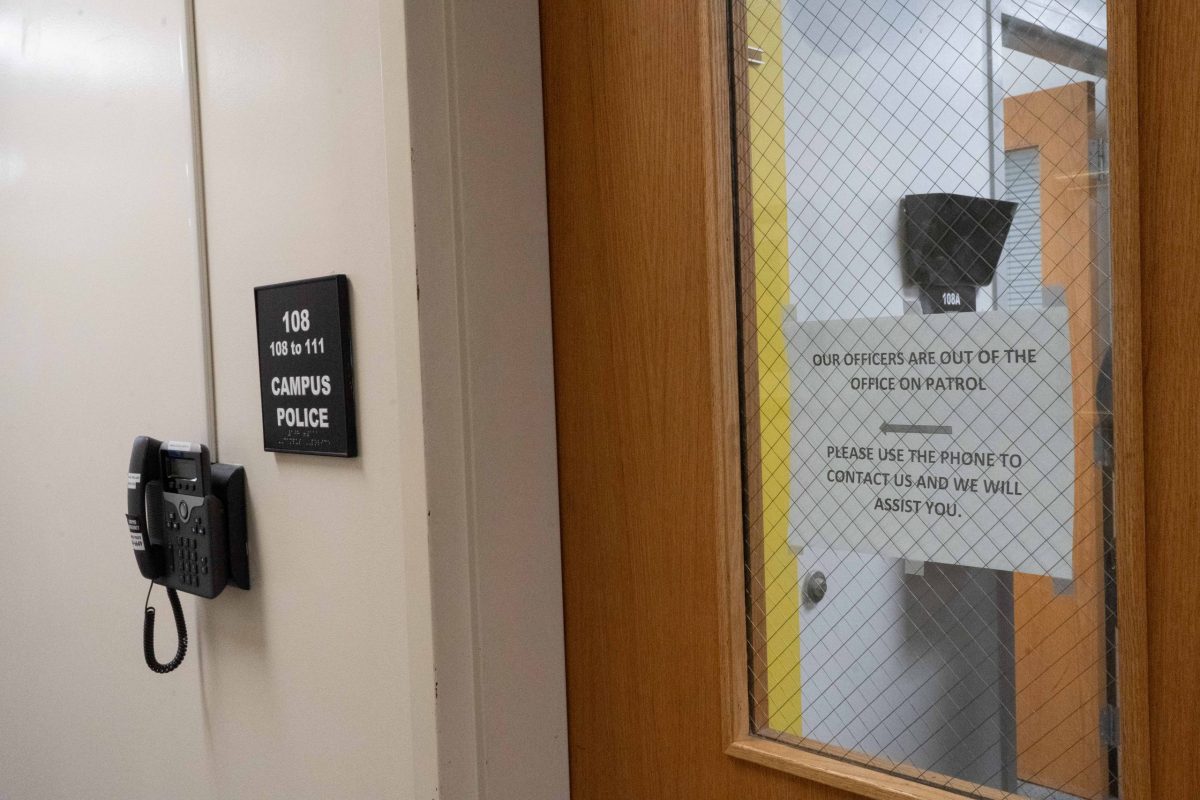
Then there are the dispatchers. There’s a 24/7 dispatch center where dispatchers wait for calls and keep in touch with the Campus Police, as well as connecting callers with 911. The Campus Police also have a police radio, so the dispatchers are the line of communication, keeping everyone informed between campuses and police departments. Chief Crowe states:
“It’s nice to have certified dispatchers who work for us that can get information out properly, timely, and they know the community. They know what’s going on.”
Corporal Ruppe said, ”One thing I like about working here is it’s people I enjoy seeing every day, both that I work with and the community. It’s a chance to do a job that I love doing in a new, for me, environment, in an educational setting. That means new challenges, new opportunities. Still the same job, but just in a different setting.”
I interviewed five Campus Police officers: Chief Terry Crow, Deputy Chief Shawna Williams, Sergeant Don Thomas, Sergeant Christopher Golden and Corporal John Ruppe. During the interview, it was very clear how much they enjoyed their jobs, how much they cared about the students, and how important the work was to them. They were friendly, funny, open and clearly knew each other well. What stuck out to me most was how often each of them mentioned that they simply want to help people.
Chief Crowe said, “In most law enforcement and our careers that we’ve had, we respond to communities throughout their jurisdiction and then we go home. We’re responding to communities and we are able to address a problem but maybe not solve the problem.
Here, we commute with you every day. We are here with our students every day. This is our community. We actually live a part of our life in the community that we serve. Problems, to use a word, when they develop we want to see them to conclusion. We want to follow it through so that those issues are fixed, whether it be a crime that’s investigated or somebody that just needed resources.
So that’s enjoyable to be able to come in and live with your community, work with your community, and help them and see them graduate eventually. I mean, that’s what we all want to see, everybody making it to that stage. And you’ll see us there at graduation.”
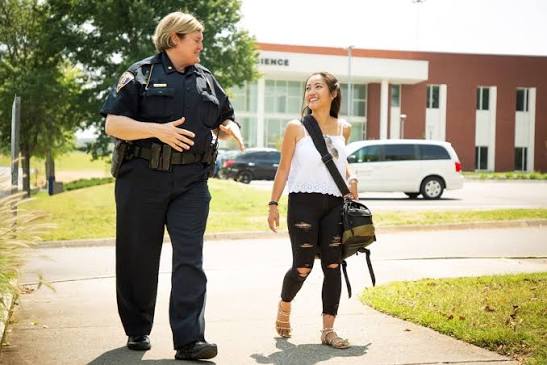
Pellissippi State is not some huge university, with thousands of students where you could go a whole day without passing a single person you know. It’s not a police department, where officers are being shuffled around call after call, unable to really stick around and make connections. Our Campus Police are able to truly connect with students and make change on a community level, because they have the time and want to do so.
It’s a community college, with an emphasis on community. The Campus Police are what help keep us together. If you ever need any help, they’re always here to help. Whether it’s a crime, or a safety issue, or just a life problem, for Pellissippi students and staff, they’re always just one call away.